I still remember the first tomato I grew from seed—it was tiny, uneven, and tasted like nothing I’d ever had before. That little plant hooked me for life. Now, I’m here to share everything I’ve learned about nurturing plants, from the soil up, so you can grow your own green-thumbed success stories. Whether you’re a beginner with a windowsill herb garden or a seasoned gardener chasing the perfect heirloom, I’m all about the hands-on, dirt-under-the-nails side of gardening.
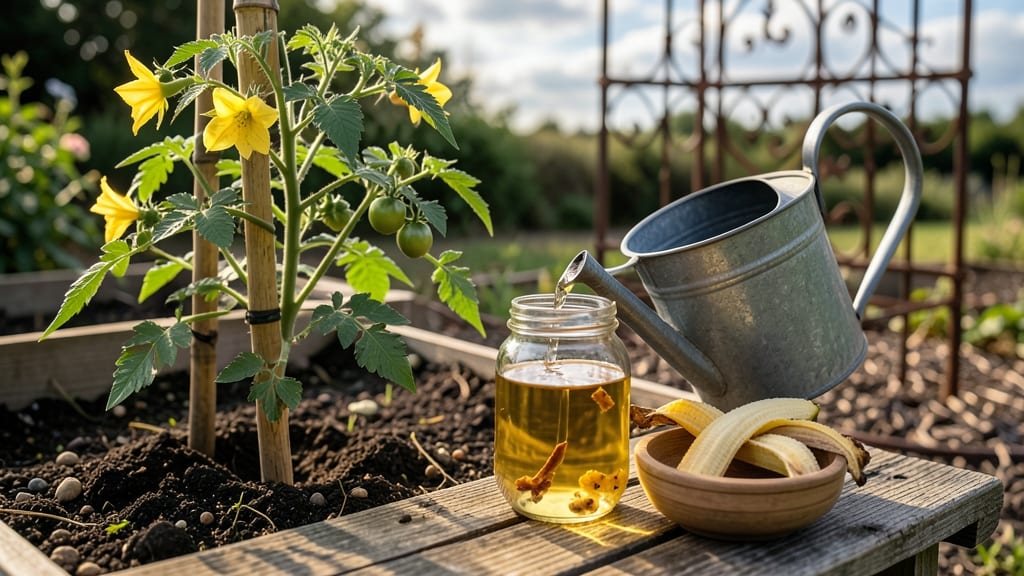
💥 Quick Answer Tomato plants do like banana water because it supplies potassium and gently raises soil pH, which strengthens their root systems, encourages more abundant blooms, and boosts fruit yield when applied as a…
💥 Quick Answer Tomato plants do like coffee grounds in moderation, providing essential nitrogen, enhancing soil acidity for better nutrient absorption, and naturally deterring pests like slugs—though excessive use can…
Tomato plants need a lot of sun to produce fruit, and 6 to 8+ hours of direct light is the magic number for a bountiful harvest 🍅. If you’ve ever wondered why your tomato plants produce sparse fruit—or none at…
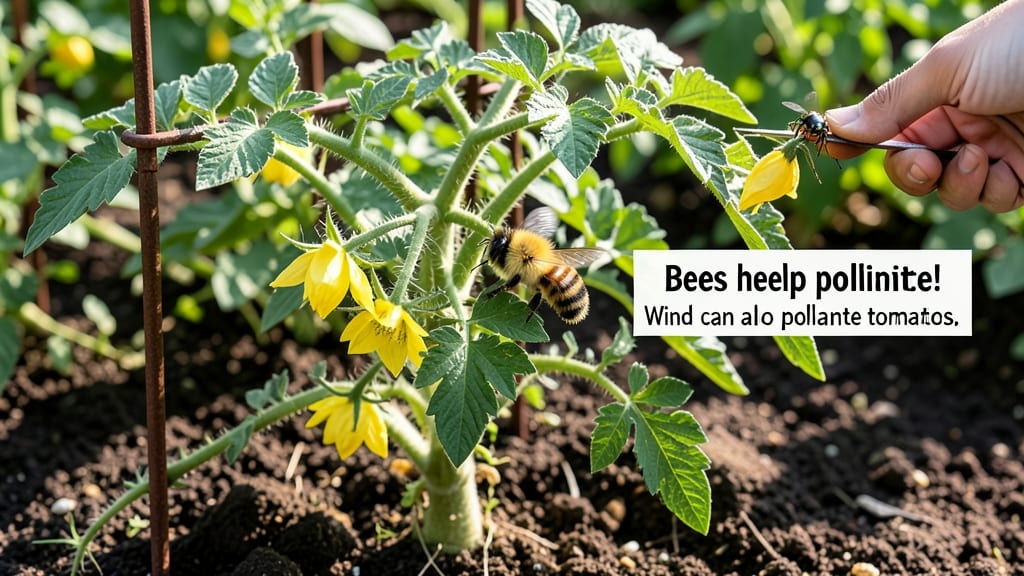
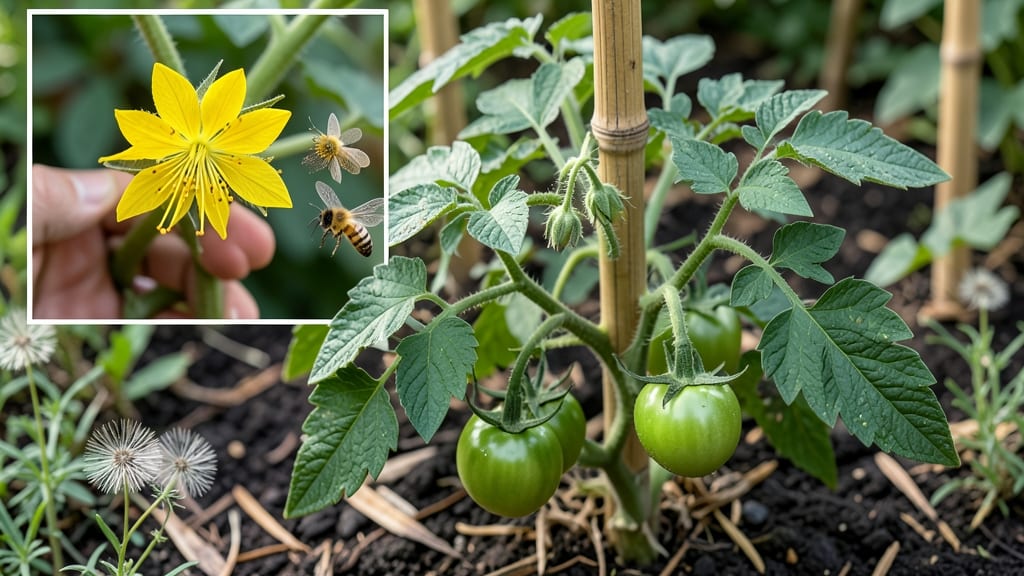
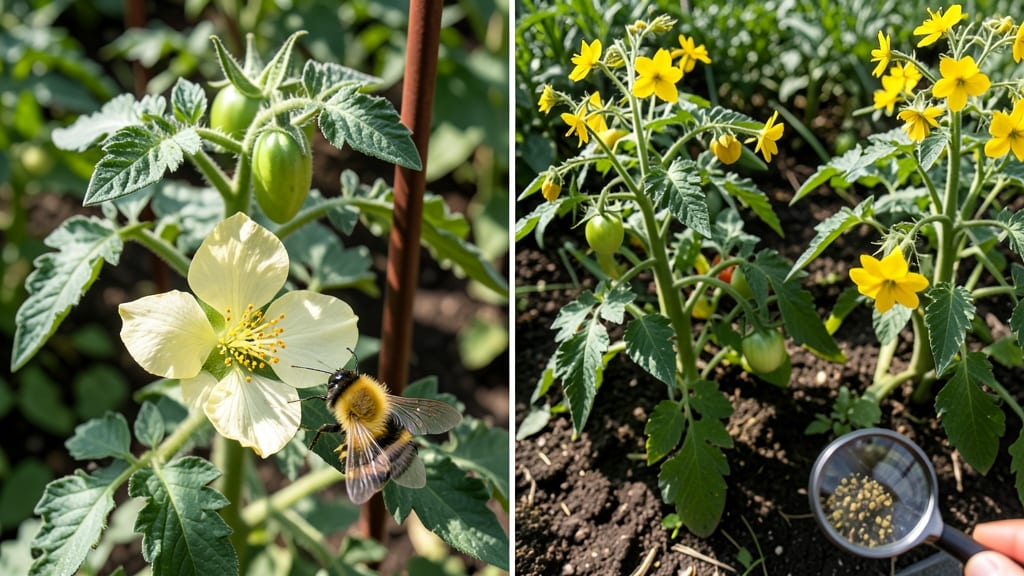
💥 Quick Answer Tomato plants don't strictly need bees to pollinate, since their flowers self-pollinate through wind or gentle movement, but bees boost fruit production by enhancing cross-pollination. For indoor gardens…
Tomato plants need direct sunlight to produce flavorful fruit and strong vines, but how much is too much or too little can make all the difference 🍅. If your tomato plants are producing small, tasteless fruits—or worse…
💥 Quick Answer Tomato plants require pollination to develop fruit, as their flowers need pollen transfer between blossoms—whether through self-pollination, wind, bees, or manual help. Most tomato varieties rely on…
Tomato plants absolutely need sunlight to grow strong and produce fruit 🍅 — without it, you’ll end up with weak vines and few tomatoes, no matter how much you water or fertilize. If your tomato plants aren’t…
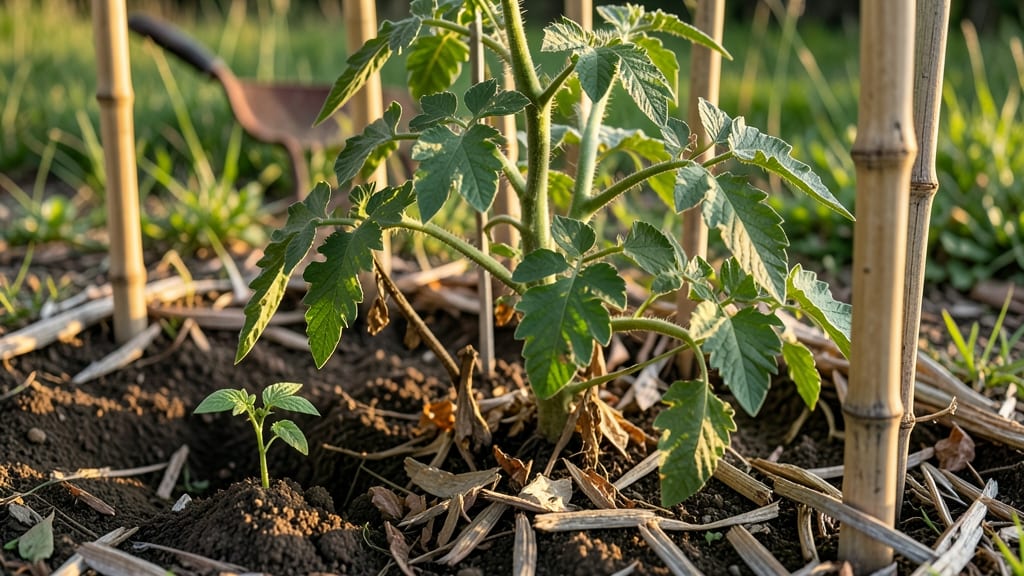
Tomato plants don't regrow every year—at least, not in most climates. 🌱 I've learned that while they're annuals (meaning they complete their life cycle in one growing season), there are ways to stretch their…
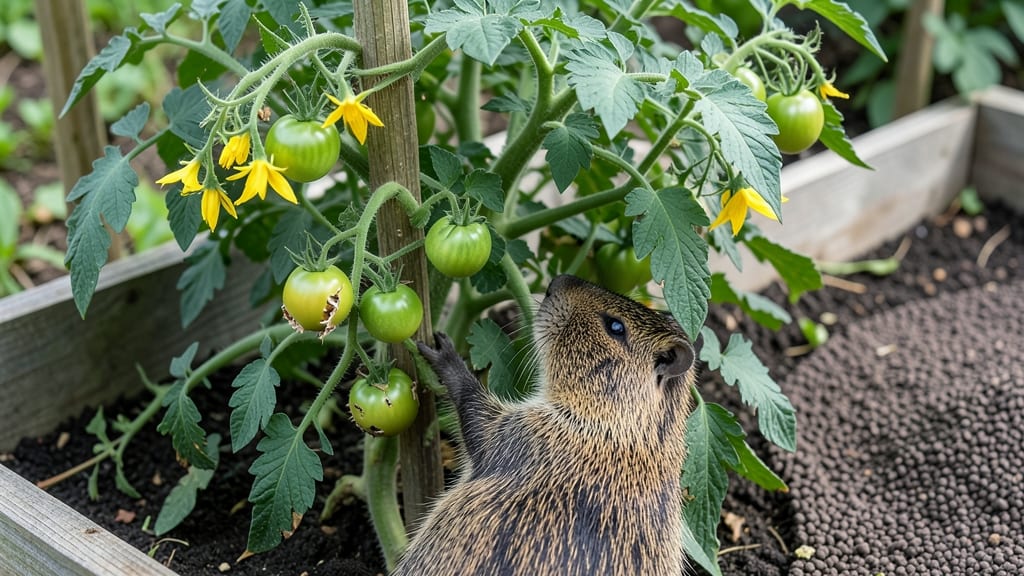
💥 Quick Answer Yes, woodchucks (groundhogs) eat tomato plants, chewing through leaves, stems, and even fruit, which can completely destroy young plants and slash harvests. They're most destructive during early spring…
💥 Quick Answer Whether you need two tomato plants to pollinate depends on the variety—self-pollinating types (like cherry tomatoes) produce fruit with their own pollen, while cross-pollinated varieties (like heirlooms)…