
Plants
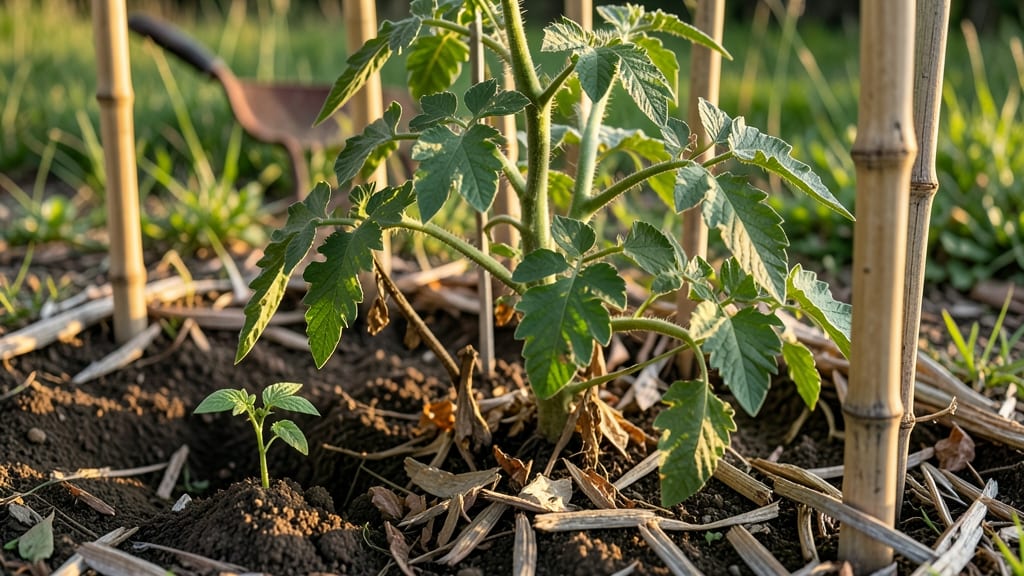
Tomato plants don't regrow every year—at least, not in most climates. 🌱 I've learned that while they're annuals (meaning they complete their life cycle in one growing season), there are ways to stretch their productivity if you're willing to put in a little extra effort.
The key lies in saving seeds or using overwintering techniques in mild regions.
Most gardeners treat tomatoes as annuals, planting fresh seeds or transplants each spring. But if you live in a warm climate like Zone 9 or higher, some varieties—especially tropical types like 'Solar Fire' or 'Heatmaster'—might survive winter with proper care.
Even in colder areas, you can save seeds from your best plants to replant next year, ensuring the same flavors and traits.
For those who want to keep growing tomatoes year after year, container gardening is a game-changer. Move potted plants indoors during winter, keep them in bright light, and they might produce a second harvest. Just be ready to prune aggressively and watch for pests that love tender young growth.
Here's the thing—whether you save seeds or replant, the effort pays off. Imagine harvesting tomatoes from plants you nurtured through multiple seasons, not just one. That's the real secret to making tomatoes feel like perennials in your garden.
📚 In This Guide
- What you need
- Instructions
- Tips and common mistakes
- Wrapping up and next steps
What you need
- ● Tomato plants: Disease-resistant varieties (e.g., Solanum lycopersicum) like 'Cherokee Purple' or 'Brandywine' (1-3 plants per gardener, depending on space).
- ● Well-draining soil: Mix of 60% topsoil, 30% compost, and 10% perlite/sand (5-10 gallons per plant).
- ● Organic mulch: Straw or shredded leaves (2-3 inches thick, enough to cover the base of all plants).
- ● Cold frames or row covers: Heavy-duty fabric or plastic (1 per plant or a large sheet for multiple plants).
- ● Pruning shears: Sharp, sterilized (1 pair).
- ● Compost or aged manure: 1-2 gallons per plant (for spring feeding).
- ● Watering can or hose with nozzle: (1 unit).
- ● Garden gloves: Heavy-duty (1 pair).
- ● pH test kit: To check soil acidity (aim for 6.0-6.8).
- ● Fertilizer (balanced or tomato-specific): 10-10-10 or organic options (e.g., fish emulsion).
- ● Trellis or stakes: 6-foot tall (1-2 per plant for support).
- ● Thermometer: Soil or air (to monitor winter temps).
- ● Seed-saving supplies: Paper envelopes or jars (if preserving heirloom varieties).
How to overwinter tomato plants for perennial growth
Here's how to coax tomatoes through winter and bring back stronger plants next season.
🌱 Step 1: Select the Right Varieties for Cold Climates
Not all tomatoes survive winter—stick to cherry varieties like 'Sugar Sprite' or 'Tumbling Tom' that handle stress better. Avoid large beefsteaks; their energy demands make overwintering difficult. I've found that determinate varieties (bush types) handle cold better than indeterminate vining types.
Start with healthy plants from your summer garden. Look for stems with thick, dark green leaves and no signs of disease or pest damage. Thin out weaker plants now so you're left with your strongest 4-6 specimens for overwintering.
🪴 Step 2: Prepare Containers and Potting Mix
Move your selected plants into 5-gallon containers with fresh sterile potting mix—never reuse garden soil. I use a blend of 50% peat moss, 30% perlite, and 20% compost for drainage while retaining moisture. Fill containers to within 1 inch of the rim to allow room for mulch.
Gently loosen the roots of your tomato plants before transplanting. This encourages new root growth that will help them establish in containers. Water thoroughly after potting to settle the soil around the roots and remove any air pockets.
☀️ Step 3: Create a Protected Winter Environment
Place containers in a location with bright, indirect light—a north-facing window or under grow lights on a 12-hour cycle. Temperatures should stay between 50-60°F during the day and no lower than 40°F at night. I use a small greenhouse tray on my covered porch for this purpose.
Mulch the soil surface with 2-3 inches of straw or shredded leaves to insulate roots and retain moisture. This prevents soil temperature swings that can shock plants. Watch for condensation on the container walls—this indicates proper humidity levels.
💧 Step 4: Adjust Watering and Fertilizing for Dormancy
Reduce watering to every 10-14 days once temperatures drop below 55°F. Let the top inch of soil dry between waterings to prevent root rot. I use a moisture meter to check—when it reads "dry," that's your signal to water lightly.
Stop fertilizing completely during winter. The plant's growth slows dramatically, and excess nutrients can burn roots. In late winter, when you see new growth buds appearing, resume feeding with a balanced 10-10-10 fertilizer diluted to half strength.
⏰ Step 5: Gradually Reintroduce to Outdoor Conditions
Begin hardening off in early spring by moving containers outside for 2-3 hours daily, gradually increasing exposure over 2 weeks. Start with morning sun only to avoid sudden temperature shocks. Watch for new leaf growth—this confirms the plant is adapting.
Plant outdoors after your last frost date when soil temperatures reach 60°F. Bury containers partially to stabilize them and provide additional insulation. Your overwintered tomatoes will produce fruit 2-3 weeks earlier than new plants.
Tips & tricks for overwintering tomato plants successfully
Here's what nobody tells you about keeping your tomato plants alive through winter—lessons I learned after losing my first batch to frost.
Variety Selection Matters: While cherry tomatoes like 'Sugar Sprite' are your best bet, don't overlook 'Black Cherry' or 'Sun Gold' for their disease resistance. I've found that determinate varieties (bush types) handle winter stress better because their compact growth conserves energy. In Step 1, when selecting plants, look for those with thick stems—they're better equipped to handle the shock of dormancy.
The Container Game-Changer: In Step 2, when preparing containers, I recommend using black plastic containers—they absorb more heat during the day and release it slowly at night. The 5-gallon size is perfect because it provides enough root space without being too heavy to move. Pro tip: Drill drainage holes in the bottom if your containers don't have them—this prevents root rot during the infrequent waterings of winter.
Light is Non-Negotiable: The 12-hour grow light cycle mentioned in Step 3 is crucial, but here's what I learned the hard way: LED grow lights are more efficient than fluorescent bulbs and generate less heat. Position them 6-12 inches above the plants to mimic natural sunlight intensity. If you notice leaves stretching toward the light (a sign of etiolation), you're either not providing enough light or the plants are too far away.
Winter Watering Wisdom: That 10-14 day watering schedule in Step 4 works, but here's the secret: water in the morning when temperatures are highest. This gives excess moisture time to evaporate before nightfall, reducing the risk of fungal diseases. And when you do water, aim for the soil—not the leaves—to prevent moisture-related stress on the plant.
Pro Tips for Do Tomato Plants Regrow Every Year
- Here's what nobody tells you about keeping your tomato plants alive through winter—lessons I learned after losing my first batch to frost.
- Variety Selection Matters: While cherry tomatoes like 'Sugar Sprite' are your best bet, don't overlook 'Black Cherry' or 'Sun Gold' for their disease resistance.
- The Container Game-Changer: In Step 2, when preparing containers, I recommend using black plastic containers—they absorb more heat during the day and release it slowly at night.
Frequently asked questions
Got questions about keeping your tomato plants thriving year after year? You’re not alone! Here are some of the most common queries from gardeners—plus straightforward answers to help you grow like a pro.
Are tomato plants truly perennial, or do they die back every winter?
Tomatoes are not true perennials in most climates—they die back when frost hits. However, in USDA Zones 10-12 (or with winter protection in cooler areas), they can regrow from roots or self-seed. In cold climates, treat them as annuals and replant each spring.
Can I overwinter tomato plants in cold climates?
Yes, but it’s tricky! Dig up mature plants before frost, trim foliage, and pot them in well-draining soil. Store in a cool (40–50°F), dark spot (like a garage) and water sparingly. Replant in spring—but expect smaller yields the first year.
What’s the easiest way to regrow tomatoes from scraps?
Save the stem + 2–3 leaves from a healthy tomato (like a Roma or heirloom). Place the cut end in water and wait for roots (2–4 weeks). Once rooted, transplant to soil. Pro tip: Use a heat mat to speed up growth in cool springs!
Why did my tomato plant die after frost, but others survived?
Frost sensitivity varies by variety! Determinate tomatoes (bush types) often succumb faster than indeterminate (vining) ones. Poor drainage, weak roots, or late-season stress also play a role. Next year, choose cold-hardy varieties like ‘Stupice’ or ‘Siberian.’
Should I let tomato plants self-seed for next year?
Self-seeding can work, but results are unpredictable! If you try it, let only the healthiest plants drop seeds naturally. For consistency, save seeds from your best tomatoes or buy certified organic seeds. Mulch heavily to protect seedlings in spring.
Wrapping up and next steps
So, do tomato plants regrow every year? The short answer is no—most tomatoes are annuals, but with the right strategies, you can trick them into returning year after year! 🌱 Whether you’re overwintering, saving seeds, or growing in containers, your green thumb can turn these sun-lovers into near-perennials.
Start small, experiment with techniques, and soon you’ll be harvesting homegrown tomatoes even in colder climates.
Ready to put your newfound knowledge to work? Grab your gardening gloves and try one of these methods this season—your future harvests will thank you! 🌿