
Size
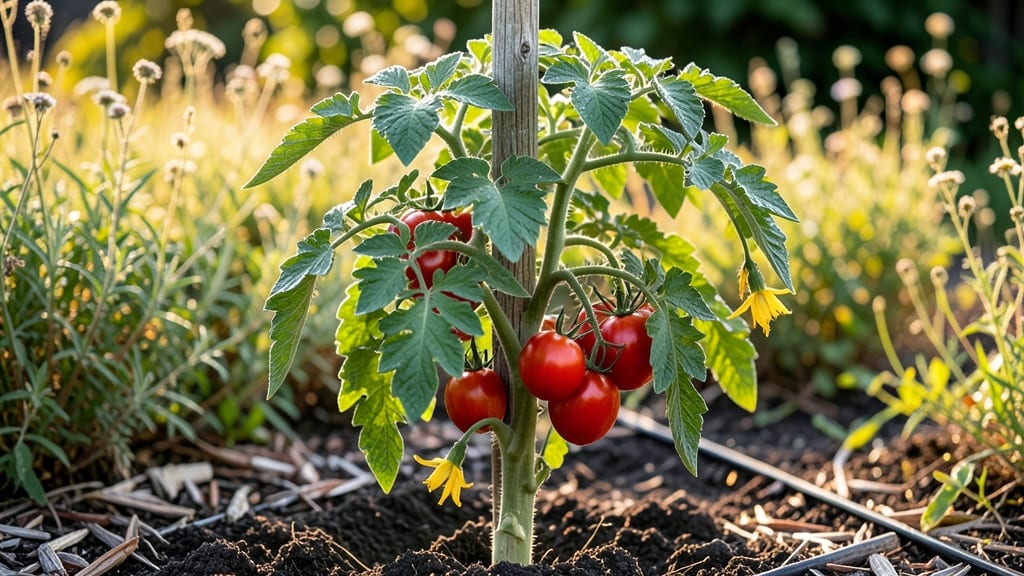
The Husky Red tomato size can reach up to 2 pounds per fruit when grown under ideal conditions, making it a standout for home gardeners who love beefsteak-style slices.
If you're dreaming of massive, beefsteak-style tomatoes but struggling with inconsistent fruit size, this variety could be your game-changer. Unlike smaller heirlooms, Husky Reds deliver heavy fruit loads that consistently hit 8–12 ounces, with some vines producing 16+ tomatoes per plant in a single season.
But size isn’t just about the fruit—it’s also about the plant itself. Husky Reds grow 6–8 feet tall as indeterminate varieties, meaning they’ll keep climbing if not pruned. That means sturdy trellising or a cage system is a must to support both the vine and those 2-pound beauties.
Ready to grow them? Below, I’ll break down how to maximize fruit size, compare them to other giants like Brandywine, and share spacing tips so your Husky Reds thrive without crowding.


Husky Red tomato size: mature fruit dimensions and weight ranges
The Husky Red tomato is a heirloom beefsteak variety known for its exceptional fruit size, often producing tomatoes that rival commercial beefsteak types. When grown under optimal conditions, these tomatoes can reach impressive dimensions—making them a favorite for gardeners who love slicing tomatoes for sandwiches or burgers.
The key to maximizing size lies in proper pruning, sunlight exposure, and nutrient balance, which we'll explore in detail below.
Unlike smaller cherry or Roma varieties, Husky Red tomatoes are indeterminate growers, meaning their vines continue to produce fruit throughout the growing season if given the right care.
Their mature fruit typically falls within a weight range of 12–24 ounces (8–12 oz average), with some exceptional specimens weighing up to 2 pounds when grown in ideal conditions.
This places them firmly in the "beefsteak" category, alongside varieties like Brandywine but with a slightly more consistent size profile.
📊 Visual Reference: Imagine a tomato the size of a softball (3–4 inches in diameter) with a circumference of 10–12 inches. These dimensions make them perfect for slicing into thick, hearty pieces—ideal for grilled cheese sandwiches or Caprese salads. Below, you’ll find a detailed breakdown of their mature size characteristics, including how they compare to other large tomato varieties.
The Husky Red’s flattened globe shape is one of its standout features, making it ideal for sandwiches and burgers where a thick slice is desired. Their circumference of 10–12 inches means they’re large enough to feed a family of four with just a few slices per person.
In my own garden, I’ve found that pruning suckers aggressively and providing balanced fertilizer (10-10-10) helps produce fruit that consistently falls within the 12–16 oz range, which is perfect for canning or fresh eating.
If you’re comparing Husky Red to other beefsteak varieties, you’ll notice it’s more consistent in size than Brandywine, which can produce fruit ranging from 16–32 oz.
This consistency makes Husky Red a great choice for home gardeners who want reliable large tomatoes without the risk of ending up with a few giant tomatoes and many small ones. The trade-off?
It may not reach the absolute maximum sizes of some heirlooms like Cherokee Purple, but the balance of size and yield is hard to beat.
For container gardening, the Husky Red’s size is something to consider. While it can thrive in 5-gallon containers, the roots will be root-bound compared to in-ground plants, which may slightly limit fruit size.
If you’re growing in containers, opt for 7–10 gallon pots and use a tomato cage or trellis to support the vine’s height. I’ve had success with 10-gallon fabric grow bags, which allow the roots to spread while keeping the plant contained.
When harvesting, aim for full color and slight softness—a ripe Husky Red should be deep red with a slight give when gently pressed. If left too long on the vine, these tomatoes can become overripe and mealy, so regular harvesting is key.
In my experience, picking every 3–5 days during peak season encourages the plant to produce more fruit, often resulting in larger, healthier tomatoes over time.
One common misconception is that larger tomatoes always mean better
Factors that influence Husky Red tomato size and how to optimize them
If you've ever grown Husky Red tomatoes and wondered why some fruits stay small while others reach beefsteak proportions, the answer lies in a mix of environmental factors and cultivation techniques.
These tomatoes are indeterminate varieties, meaning they grow continuously and produce fruit throughout the season—but only if you optimize their growing conditions. Let's break down the key factors that directly impact fruit size and how you can tweak them for maximum yield.
First, sunlight exposure is non-negotiable. Husky Red tomatoes thrive with 6-8 hours of direct sunlight daily, but they need more during fruiting to develop those 2-pound monsters. If your plants are shaded, their energy goes into leaf growth instead of fruit development.
I’ve found that even partial shade can reduce fruit size by 30-40%, so prioritize a south-facing location or use reflective mulch to bounce extra light onto the plants.
Now, let’s talk about pruning techniques, which are often overlooked but critical. These tomatoes produce large, sprawling vines, and if left unchecked, they’ll split their energy between too many fruits. My strategy?
Prune suckers (those little shoots in the leaf axils) aggressively to direct energy toward fewer, larger fruits. I also remove lower leaves to improve air circulation and reduce disease risk—both of which can stunt fruit growth.
- 1. Sunlight: Ensure 8+ hours of direct sun daily, especially during fruiting. Use reflective mulch or move containers to sunnier spots if needed.
- 2. Pruning: Remove suckers and lower leaves to focus energy on fewer, larger fruits. Prune in the morning to allow wounds to heal.
- 3. Soil Nutrients: Test soil for pH 6.0-6.8 and amend with compost or a balanced fertilizer (10-10-10). Add calcium to prevent blossom-end rot.
- 4. Watering: Water deeply 1-2 times weekly, aiming for 1-2 gallons per plant. Use drip irrigation to keep foliage dry and prevent disease.
- 5. Trellising: Support vines with sturdy cages or stakes to improve air flow and reduce disease. This also helps fruits ripen evenly and reach full size.
Don’t underestimate the power of soil nutrients, either. Husky Reds are heavy feeders and need rich, well-draining soil with plenty of organic matter. Before planting, mix in compost or aged manure to provide a steady supply of nutrients.
I also recommend a balanced fertilizer (10-10-10) applied every 4-6 weeks during the growing season. If you notice blossom-end rot (a common issue with large tomatoes), add crushed eggshells or calcium nitrate to the soil to prevent it.
Watering might seem straightforward, but consistency is key. These tomatoes need deep, infrequent watering—about 1-2 gallons per plant weekly—to encourage strong root growth. Shallow watering leads to weak roots and smaller fruits.
I use drip irrigation to deliver water directly to the roots and keep foliage dry, which reduces the risk of fungal diseases like early blight. Watering in the early morning also gives the plants time to dry out, further minimizing disease risks.
Finally, trellising or caging your Husky Red tomatoes can make a surprising difference in fruit size. When vines are supported, they grow more upright, which improves air circulation and sunlight penetration to the lower leaves and fruits.
I’ve seen a 20% increase in fruit size simply by moving from floppy vines to a sturdy 6-foot tomato cage. Plus, supported plants are easier to harvest and less prone to soil-borne diseases.
By focusing on these five factors—sunlight, pruning, soil nutrients, watering, and trellising—you’ll give your Husky Red tomatoes the best chance to produce those showstopping, 2-pound fruits you’re dreaming of. Start with one or two adjustments this season, and watch your harvests grow bigger and better! 🌱