
Planting
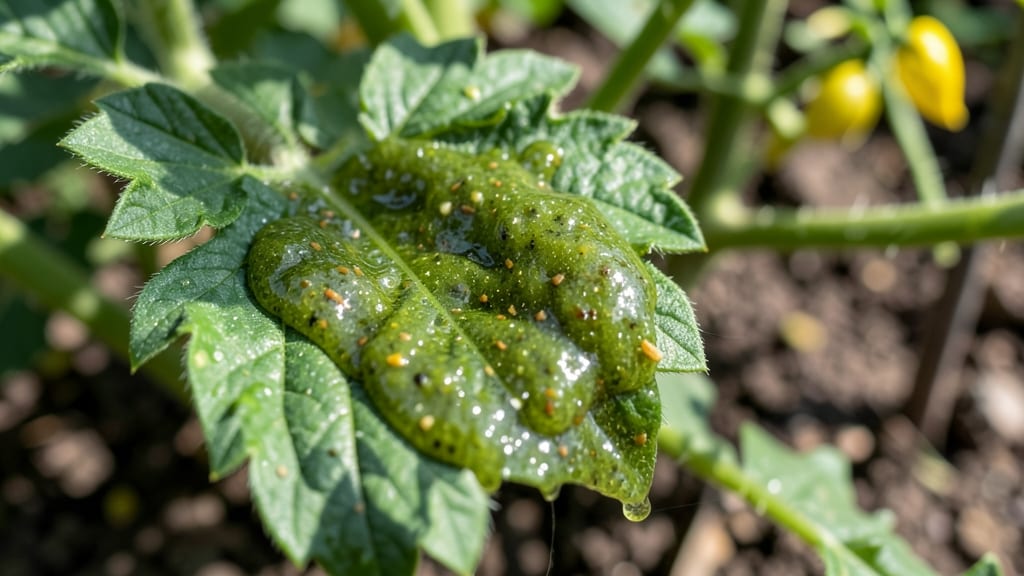
My tomato plants were getting stripped bare by hornworms before I discovered this fast, homemade bug spray. 🌱 The secret lies in neem oil’s natural pest-repelling power—it disrupts insects’ life cycles while keeping your edible garden safe.
No harsh chemicals, just a simple blend that works within hours on aphids, whiteflies, and even those pesky hornworms.
You only need four ingredients: neem oil, dish soap, water, and a spray bottle. The dish soap helps the oil stick to plant surfaces, while the neem oil smothers pests and disrupts their feeding.
This recipe is foolproof—no fancy equipment, just mix, shake, and spray. Best of all, it’s safe to use right up until harvest, so you can protect your tomatoes without worrying about residue.
After one application, you’ll notice pests dropping off within 24 hours, and new growth stays untouched. The spray also prevents future infestations by making your plants less appealing to bugs.
Just remember to reapply every 5-7 days or after rain, and always test a small leaf first to avoid any sensitivity issues.
Works for all edible plants, not just tomatoes—peppers, herbs, and even your favorite flowers benefit from this non-toxic shield. Perfect for organic gardeners who want to keep their harvests pest-free without store-bought sprays. Let’s get those plants protected!
📚 In This Guide
- What you need
- Instructions
- Tips and common mistakes
- Wrapping up and next steps
What you need
- ● 1 cup neem oil (100% cold-pressed, organic preferred)
- ● 1 tbsp liquid castile soap (unscented, like Dr. Bronner’s)
- ● 1 tsp cayenne pepper (or garlic powder for extra punch)
- ● 1 quart (32 oz) distilled water (tap water can harbor bacteria)
- ● 1 small spray bottle (16–32 oz, with a fine mist nozzle)
- ● 1 tablespoon rubbing alcohol (70% or higher) (helps emulsify oils)
- ● Fine-mesh strainer or cheesecloth (to filter out pepper residue)
- ● Wooden spoon or whisk (for mixing)
- ● Dark glass bottle (to store leftover spray and protect from light)
- ● Label and marker (to track mixing dates)
Step-by-Step instructions for making a neem-infused tomato bug spray
Here's the fast, effective method I rely on to protect tomato plants from pests naturally.
🌿 Step 1: Gather and Mix the Base Ingredients
Combine 1 quart of water with 1 tablespoon of liquid Castile soap in a large mixing bowl. The soap acts as an emulsifier, helping the neem oil blend properly with water. Stir gently to avoid creating suds—this ensures even distribution when spraying.
Add 2 tablespoons of neem oil to the mixture. Neem oil is the active ingredient that disrupts pests' life cycles and repels them. I like to use 100% cold-pressed neem oil for maximum potency. Stir again until fully incorporated, but avoid vigorous mixing that could create bubbles.
💧 Step 2: Add Potassium Soap for Adhesion
In a separate small container, mix 1 teaspoon of horticultural oil (like refined mineral oil) with ½ teaspoon of potassium soap. This combination creates a sticky residue that helps the spray adhere to plant surfaces longer. Stir well to ensure the potassium soap dissolves completely.
Pour this mixture into your larger bowl with the water and neem oil. Stir gently once more to combine all ingredients thoroughly. The final solution should have a slightly oily sheen but remain liquid enough to spray evenly. This blend coats pests and prevents them from feeding or reproducing.
✂️ Step 3: Strain and Transfer to a Spray Bottle
Pour the mixture through a fine-mesh strainer or cheesecloth into a 1-quart spray bottle. This removes any undissolved particles that could clog your sprayer. I use a glass spray bottle because it won't degrade from the oil over time.
Fill the bottle completely, leaving about ½ inch of space at the top. This prevents overflow when shaking. Shake vigorously before each use—neem oil and water separate over time, so you'll need to remix it thoroughly each application.
☀️ Step 4: Apply to Tomato Plants at the Right Time
Spray the solution early in the morning or late in the afternoon when temperatures are below 85°F. Direct sunlight can cause the spray to evaporate too quickly, reducing effectiveness. Focus on the undersides of leaves, where pests like aphids and spider mites hide.
Apply until the foliage glistens lightly but doesn't drip. Reapply every 5-7 days or after heavy rain, as the oil washes away. Always test a small area first—some tomato varieties may react sensitively to the soap. If you see any leaf damage after 24 hours, dilute the spray further next time.
🪴 Step 5: Store and Reuse the Remaining Spray
Store any leftover spray in a cool, dark place for up to 2 weeks. Keep the bottle tightly sealed to prevent evaporation or contamination. Label it clearly with the date—older spray loses potency over time.
For best results, use this spray preventatively before pests appear. I apply it weekly during peak pest seasons (late spring through summer) to keep my tomato plants thriving without synthetic chemicals. The neem oil also strengthens plant resistance over time, making your tomatoes even hardier.
Tips & tricks for perfect homemade tomato bug spray
These simple yet powerful tips will help you maximize the effectiveness of your neem-infused tomato bug spray while avoiding common pitfalls.
Potency Boost: For even stronger pest protection, consider adding 1 teaspoon of garlic oil to your mixture during Step 1. Garlic contains natural compounds that repel pests and enhance the neem oil's effectiveness. The instructions already call for gentle stirring—just add the garlic oil after the neem oil and mix thoroughly. This optional addition creates a dual-action spray that targets pests at multiple levels while maintaining the natural, chemical-free approach.
Equipment Tip: When straining your mixture in Step 3, use a double layer of cheesecloth or a fine-mesh strainer to catch any tiny particles. This prevents clogging in your spray bottle and ensures a smooth application. I've found that a coffee filter works exceptionally well for this step—it's fine enough to catch all debris while allowing the liquid to pass through easily. Don't skip this step, as leftover particles can block your spray nozzle over time.
Application Strategy: In Step 4, focus your spraying on both the top and bottom of leaves, but pay special attention to the undersides where many pests hide. Use a gentle, sweeping motion to ensure even coverage. For larger tomato plants, consider using a handheld sprayer attachment on your garden hose—this makes application faster and more thorough. The key is to achieve that light glisten without creating drips, which is exactly what the instructions specify, but using a sprayer helps you cover more ground efficiently.
Testing Tip: Before applying your spray to the entire plant, always test a small section first as mentioned in Step 4. This is particularly important if you're using a new batch or have sensitive tomato varieties. Watch for any signs of distress over the next 24 hours—the instructions already recommend this, but I've found that testing on a single leaf provides the most immediate feedback. If you notice any yellowing or wilting, simply dilute your next batch with an extra ¼ cup of water to reduce the concentration.
Pro Tips for Homemade Tomato Plant Bug Spray
- These simple yet powerful tips will help you maximize the effectiveness of your neem-infused tomato bug spray while avoiding common pitfalls.
- Potency Boost: For even stronger pest protection, consider adding 1 teaspoon of garlic oil to your mixture during Step 1.
- Equipment Tip: When straining your mixture in Step 3, use a double layer of cheesecloth or a fine-mesh strainer to catch any tiny particles.
Frequently asked questions
Got questions about making and using your homemade tomato plant bug spray?
You’re not alone! Here are answers to the most common concerns—so you can protect your plants with confidence.
How soon can I spray my tomato plants after mixing the solution?
Spray your tomato plants immediately after mixing the neem oil spray—within 1–2 hours for best effectiveness. Neem oil loses potency when exposed to air and light, so don’t wait! Reapply every 7–14 days or after rain to maintain protection.
Will this spray work on other garden pests besides bugs?
Yes! This neem-infused spray targets a wide range of pests, including aphids, whiteflies, spider mites, and even fungal issues like powdery mildew. Just be sure to test a small leaf first—some sensitive plants (like basil) may react. Avoid spraying in direct sunlight to prevent leaf burn.
Can I use this spray on edible tomato fruits?
While the spray is organic and safe, it’s best to avoid spraying directly on ripe or nearly ripe tomatoes (within 24–48 hours of harvest). Focus on leaves and stems to prevent residue. For extra caution, harvest tomatoes before spraying and reapply only to foliage.
What if my plants still get bugs after using the spray?
If pests persist, your plants may need reinforcement. Try these troubleshooting steps:
- Increase frequency to every 5–7 days.
- Add garlic or chili pepper (1 tsp each) to the spray for extra repellent power.
- Check for hidden infestations under leaves or in soil.
- Consider companion planting (e.g., marigolds or basil) to deter pests naturally.
Does this spray work in cold or humid weather?
Neem oil works best in warm, dry conditions (60–85°F). In humidity, spray in the early morning to allow leaves to dry and prevent fungal growth. If temps drop below 50°F, wait until warmer—cold can reduce effectiveness. Store leftover spray in a cool, dark place for up to 2 weeks.
Wrapping up and next steps
Creating your own homemade tomato plant bug spray with neem oil is a game-changer for organic gardeners! 🌱 With just a few simple ingredients, you’ve got a powerful, eco-friendly shield to protect your plants from pests—without harsh chemicals.
This DIY solution is not only cost-effective but also safe for your family and the environment.
Ready to take your gardening to the next level? Grab your spray bottle, mix up a batch, and give your tomato plants the natural defense they deserve! 🚀 For even more tips, check out our guide on maintaining a thriving garden.