
Companion Plants
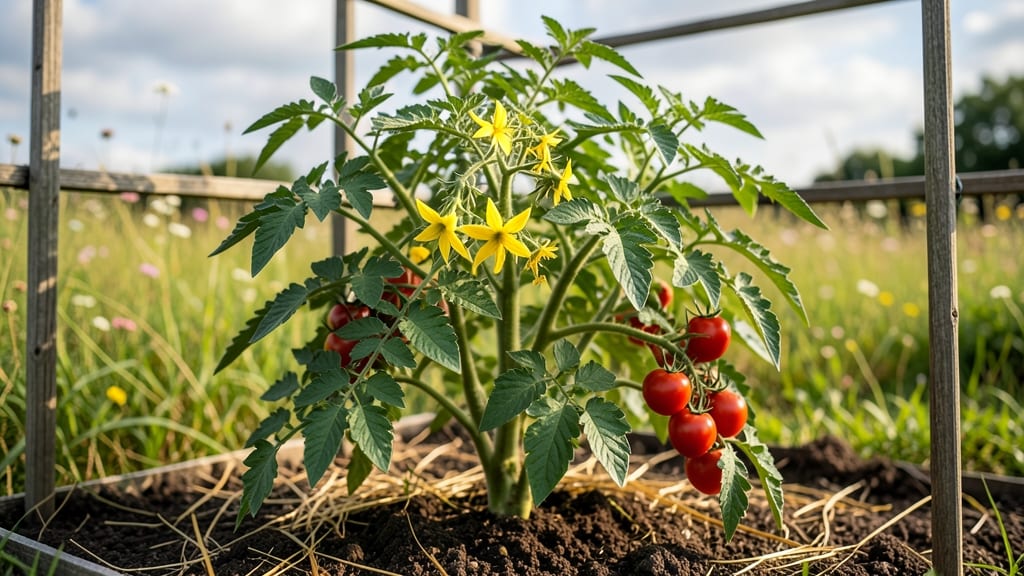
Tomato plants need a lot of sun to produce fruit, and 6 to 8+ hours of direct light is the magic number for a bountiful harvest 🍅.
If you’ve ever wondered why your tomato plants produce sparse fruit—or none at all—sunlight might be the missing piece of the puzzle. Tomatoes are sun-hungry plants, but how much light do they really need to thrive?
The answer could mean the difference between a garden full of ripe tomatoes and a disappointing season. Without enough sun, your plants may grow tall and leggy but fail to set fruit, leaving you wondering what went wrong.
In this guide, I’ll break down the ideal sunlight ranges, signs your tomatoes aren’t getting enough light, and practical tips to adjust for partial-shade spots—so you can maximize your harvest, no matter where you garden.

How many hours of sun do tomato plants need for optimal growth?
Tomatoes are sun-loving plants that thrive with abundant light, but many gardeners struggle to balance their schedule with the plant’s needs. The minimum sunlight requirement for tomatoes is 6 hours of direct sun daily, but most varieties produce their best fruit with 8 to 10 hours.
Without enough light, your plants may grow tall and leggy but produce few, if any, tomatoes. Understanding these sunlight ranges will help you position your plants for maximum success.
In my garden, I’ve learned that light intensity matters just as much as duration. Bright, direct sunlight in the morning and afternoon helps prevent fungal diseases like blight, while afternoon shade can protect plants in hot climates.
However, even the best placement can fail if your local climate has weak sunlight due to pollution, tall buildings, or frequent cloud cover. Always observe your plants’ reaction to light to fine-tune their placement.
| Sunlight Requirement | Ideal Hours per Day | Fruit Production Impact | Best Varieties |
|---|---|---|---|
| Full Sun | 8–10+ hours | High yield, large fruit | Beefsteak, Roma, Cherry |
| Partial Sun | 6–8 hours | Moderate yield, smaller fruit | Stupice, Black Krim |
| Low Light | 4–6 hours | Poor fruit set, leggy growth | None recommended |
For determinate tomato varieties (those that grow to a fixed size and produce fruit all at once), 6 to 8 hours of sun is often sufficient. These plants, like Roma or Celebrity tomatoes, focus energy on ripening fruit quickly rather than growing taller.
In contrast, indeterminate varieties (like Sungold or Brandywine) need at least 8 hours of sun to support their continuous vine growth and fruit production throughout the season.
Seasonal adjustments are key, especially in regions with long summer days or short winter sunlight. In my Zone 6a garden, I provide afternoon shade in July to prevent sunscald, but I ensure morning sun remains unobstructed.
If you’re in a cooler climate, extend growing seasons with row covers or cold frames to maximize sunlight exposure during shorter days. Even a 1-2 hour increase in sunlight can significantly boost fruit production.
Light intensity also plays a role. Direct sunlight (especially between 10 AM and 4 PM) is more effective than diffused light from clouds or nearby trees. If your garden receives filtered sunlight (like under a sheer curtain of trees), your tomatoes may still grow but will produce fewer fruits.
To compensate, I’ve used reflective mulch or white garden fabric to bounce extra light onto the plants, which can make a noticeable difference in fruit quality.
One common mistake is assuming that more sun is always better. While tomatoes love light, intense afternoon heat (especially in desert climates) can cause sunscald or blossom drop. To mitigate this, I’ve planted tall, heat-tolerant varieties like Solar Fire or Heatmaster and provided drip irrigation to keep foliage cool.
A simple trick is to place a light-colored shade cloth (30% shade) over plants during peak heat hours while still allowing plenty of light.
If you’re growing tomatoes in containers or urban gardens, sunlight needs become even more critical. A 5-gallon pot of tomatoes on a balcony may need rotating every few days to ensure all sides receive equal light.
I’ve found that south-facing windowsills or rooftop gardens are ideal, but even east- or west-facing spots can work if you supplement with grow lights for 4–6 hours daily during cloudy periods.
To test if your tomato plants are getting enough sun, observe their growth patterns. Healthy plants should have dark green leaves, sturdy stems, and abundant flowers. If leaves turn pale or stems stretch excessively (a condition called etiolation), it’s a sign they need more light.
Conversely, yellowing leaves or sunburnt spots indicate too much direct sun. Adjusting your plants’ position or providing shade can help strike the right balance.
For maximum fruit production, aim to give your tomatoes at least 8 hours of direct sun daily, with adjustments based on your local climate and variety. With the right light exposure, you’ll be rewarded with juicy, flavorful tomatoes that make every gardening effort worthwhile. 🌱☀️
Signs your tomato plants aren’t getting enough sun (and how to fix it)
If your tomato plants are struggling to produce fruit or look weak, insufficient sunlight could be the culprit. Even 6-8 hours of direct sun can make the difference between a thriving plant and one that barely survives.
Many gardeners overlook subtle signs of light deprivation, assuming their plants are just "slow growers" or "picky eaters." But the truth is, tomatoes are sun-dependent and will show clear distress when deprived.
One of the first red flags is leggy stems—long, thin stalks that stretch upward in a desperate search for light. These stems are weak and prone to snapping, especially in windy conditions.
You might also notice small, pale leaves clustered tightly together, a clear sign the plant is stretching for sunlight. Without enough light, your tomatoes won’t develop the energy needed to produce healthy fruit, leading to small, underdeveloped tomatoes—or none at all.
⚠️ WARNING: Ignoring sunlight needs can ruin your harvest!
Tomatoes need 6-8+ hours of full sun daily—no substitutes! Even partial shade (like morning sun only) can stunt growth. If your plants show these signs, act fast:
- 🌱 Move plants to sunnier spots immediately
- ✂️ Prune leggy stems to encourage bushier growth
- 🪴 Use reflective mulch (white gravel or mirrors) to bounce light
Pro Tip: Urban gardeners? Try vertical trellises near south-facing walls to maximize light exposure.
Another telltale sign is poor fruit set—even if your plant flowers, the blossoms may drop off without producing fruit. This happens because tomatoes need sunlight for photosynthesis, which fuels fruit development. Without it, the plant simply doesn’t have the energy to sustain tomato growth.
You might also see yellowing leaves, especially on the lower stems, as the plant diverts energy to survive rather than thrive.
If you’re gardening in a shaded area, like under a tree or in an urban courtyard, don’t despair—there are fixes! Start by removing nearby obstacles, like tall weeds or overgrown shrubs, that might be blocking light.
For container gardens, place pots on reflective surfaces (like light-colored gravel or a white tray) to increase light exposure by up to 20%. You can also rotate pots daily to ensure even light distribution.
For permanent shade issues, consider sun-loving tomato varieties like 'Solar Fire' or 'Heatmaster,' which tolerate slightly less light than others. Pair them with grow lights (LED full-spectrum bulbs work best) for 12-14 hours a day to supplement natural light.
Just remember: no substitute replaces direct sunlight for optimal fruit production.
Finally, keep an eye on your tomato plant’s overall health. Healthy plants should have deep green leaves, sturdy stems, and a compact growth habit. If yours look wilting, sparse, or overly stretched, it’s time to reassess their light situation.
With the right adjustments, you can turn a struggling plant into a fruit-bearing powerhouse—just give it the sunlight it craves! ☀️