
Light Requirements
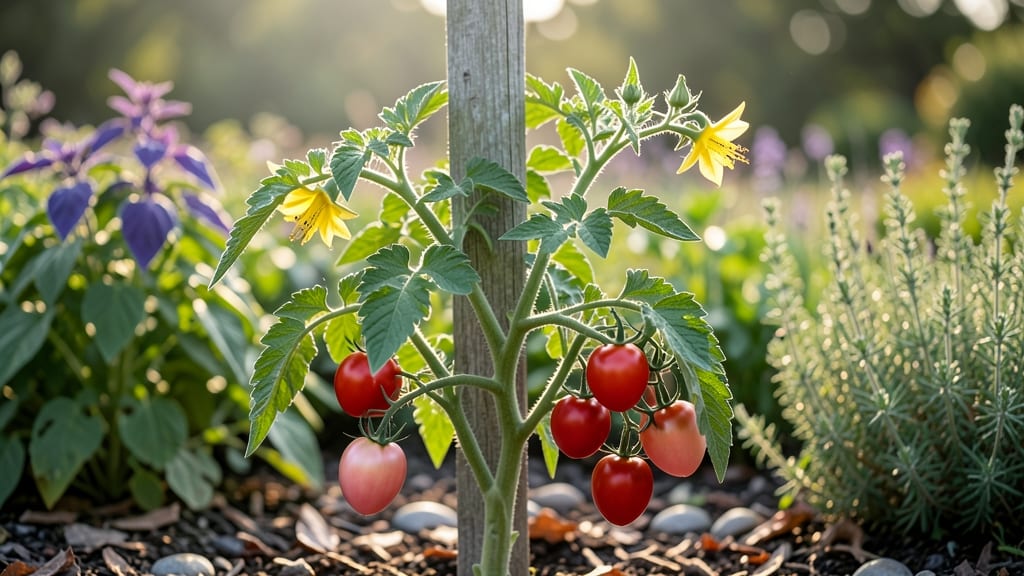
Tomato plants need direct sunlight to produce flavorful fruit and strong vines, but how much is too much or too little can make all the difference 🍅.
If your tomato plants are producing small, tasteless fruits—or worse, none at all—your sunlight exposure might be the culprit. Tomatoes are sun-hungry plants, but 6-8 hours of direct light is the sweet spot, not the bare minimum.
Too little sunlight leads to leggy, weak plants and poor fruit set, while too much can scorch leaves in hot climates. The key is finding that balance, whether you're growing in a garden bed, container, or even indoors with grow lights.
Below, I’ll break down exactly how much sunlight tomato plants need, how to spot the signs of too much or too little, and practical tips to get the best harvest possible—no guesswork involved.

How many hours of direct sunlight tomato plants actually need (and why)
Tomatoes are some of the most rewarding plants to grow, but they’re also sunlight powerhouses.
While many gardeners assume they need full sun all day, the truth is more nuanced. 6 to 8+ hours of direct sunlight is the sweet spot for most varieties, but how that sunlight is distributed matters just as much as the total hours.
Without enough light, your plants will struggle to produce fruit—or worse, grow weak and disease-prone.
Sunlight drives photosynthesis, the process that fuels fruit development. When tomatoes don’t get enough light, they prioritize leafy growth over fruiting, leaving you with small, bland tomatoes or even no harvest at all.
Even worse, insufficient sunlight creates the perfect conditions for fungal diseases like blight, which thrive in shady, damp environments. Understanding your plants’ sunlight needs is the first step to a bountiful harvest.
Most tomato varieties thrive with 6 to 8 hours of direct sunlight daily, but the quality of that light matters just as much as the quantity. Morning sunlight (between 6 AM and 12 PM) is especially important because it helps dry dew off leaves quickly, reducing the risk of fungal diseases like early blight. Afternoon sun (after 2 PM) can be intense, especially in hot climates, so providing some afternoon shade with a lightweight shade cloth (30-50% block) can prevent sunburn on fruits.
If you’re growing tomatoes in containers or urban gardens, you’ll need to get creative. South-facing windows or balconies are ideal, but even then, most windows don’t provide enough light for tomatoes to thrive. Grow lights (LED or fluorescent) can supplement natural light, especially in indoor or winter gardens.
Aim for 12-16 hours of light per day with grow lights to mimic long summer days and boost fruit production.
The photosynthesis process in tomatoes is highly efficient in bright light, but too much shade triggers a survival response. When plants don’t get enough light, they produce ethylene gas, which can cause flowers to drop before fruiting.
This is why cherry tomatoes and bush varieties sometimes struggle in partial shade—they rely on consistent light to set fruit.
Even if your garden only gets 4-6 hours of sun, choose shade-tolerant varieties like 'Stupice' or 'Black Krim' and supplement with reflective surfaces (like white walls or mirrors) to bounce extra light onto the plants.
One common mistake is assuming that partial shade (e.g., under a tree or near a fence) is acceptable. While some shade is tolerable in hot afternoons, prolonged shade leads to weak stems, yellowing leaves, and poor fruit set.
If your garden only offers partial shade, consider planting tomatoes near the southern or western edge of your yard, where they’ll get the most sunlight possible. You can also use dwarf or determinate varieties, which are slightly more adaptable to lower light conditions than their indeterminate counterparts.
Temperature plays a role too. Tomatoes need warmth (70-85°F) to thrive, and cooler temperatures (below 55°F) slow down photosynthesis.
If your garden gets full sun but is in a cooler climate, you might need to extend the growing season with row covers or cold frames to keep the plants warm enough to produce fruit.
Conversely, in hot climates, providing afternoon shade can prevent sunburn on fruits while still allowing enough light for growth.
To test if your tomato plants are getting enough light, observe their leaves. Healthy, sun-exposed leaves are dark green and upright, while shade-stressed leaves are pale, yellow, or stretched out (a condition called etiolation). If your plants are leggy with sparse leaves, they’re begging for more sunlight.
Even worse, flowers may drop before setting fruit, leaving you with no tomatoes at all. The solution? Move them to a sunnier spot immediately or supplement with grow lights.
If you’re still unsure about your garden’s sunlight, use a simple sunlight tracker for a week. Place a white piece of paper where your tomatoes will grow and mark the hours it’s in direct sunlight.
If it’s less than 6 hours, you’ll need to adjust your planting location or choose shade-tolerant varieties. Remember, tomatoes are sun-worshippers, and giving them the light they crave is the best way to ensure a bountiful, flavorful harvest. ☀️
Signs your tomato plants aren’t getting enough sunlight (and how to Fix it)
If your tomato plants look leggy and stretched or produce tiny, flavorless fruits, they’re likely begging for more sunlight. Tomatoes thrive in full sun exposure, but subtle signs often signal insufficient light before it’s too late. Recognizing these early warnings can save your harvest—and your plants.
One of the first clues is pale, yellowing leaves that start at the bottom and creep upward. This chlorosis occurs when plants can’t produce enough chlorophyll due to low light conditions.
Paired with weak, spindly stems, your tomatoes may struggle to support their own weight, leading to flopping foliage or even broken branches.
⚠️ WARNING: Sunlight Deficiency Alert! ⚠️ Tomatoes absolutely need direct sunlight—6 to 8+ hours daily—to fuel photosynthesis and fruit development.
Without it, you’ll see: - Stunted growth (plants stay small) - Poor fruiting (fewer, smaller tomatoes) - Blossom end rot (calcium deficiency from stress) - Leggy stems (reaching for light) Fix it fast: Move plants to a sunnier spot, use reflective mulch, or add grow lights for 8+ hours/day.
Indoor tomatoes? Place them near a south-facing window or use LED grow lights.
Another red flag is slow or no fruit production, even if your plants are flowering. Without adequate sunlight, tomatoes can’t convert energy into fruit, leaving you with tiny, underdeveloped tomatoes that lack sweetness. Even if they ripen, their flavor will be watery and bland compared to sun-kissed tomatoes.
For container-grown tomatoes, check your pot’s location—shade from nearby structures or trees can drastically reduce light exposure. If you’re in a partial shade garden, opt for shade-tolerant varieties like 'Stupice' or 'Black Krim,' but still provide at least 4-6 hours of direct sun for best results.
To boost sunlight naturally, place white or reflective mulch around your plants to bounce extra light onto leaves. Alternatively, prune nearby trees or shrubs to open up the canopy.
If relocating isn’t an option, grow lights (like full-spectrum LEDs) can supplement light for indoor or low-light setups, mimicking 6-8 hours of sunlight.
Don’t ignore these signs—tomatoes are sun-worshippers, and their health (and your harvest) depends on it. With the right adjustments, you’ll see stronger stems, bigger leaves, and juicy, flavorful tomatoes in no time. 🌱☀️