
Companion Plants
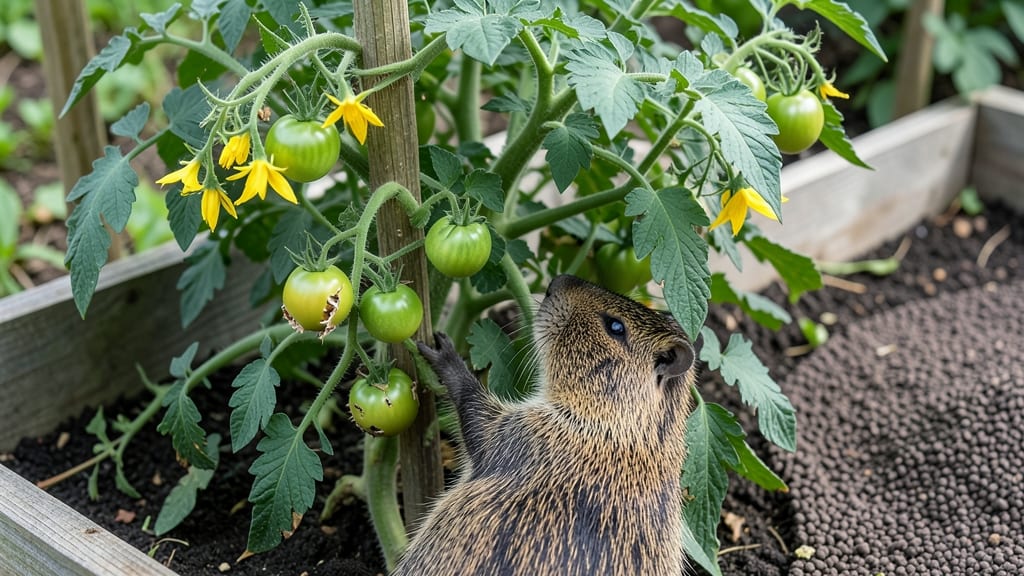
Yes, woodchucks (groundhogs) eat tomato plants, chewing through leaves, stems, and even fruit, which can completely destroy young plants and slash harvests. They're most destructive during early spring and late summer when tender growth is most vulnerable.
Woodchucks don't just nibble—they can turn a thriving tomato garden into a buffet zone. 🌱 These burrowing rodents are particularly drawn to tomato foliage because it's rich in moisture and nutrients, especially during their active feeding seasons.
What makes them so problematic is their habit of returning to the same plants day after day, creating what gardeners call "browse lines" that can leave your plants looking like Swiss cheese.
The damage isn't just cosmetic; when they target young seedlings, they can prevent your tomatoes from ever reaching maturity.
What's even more frustrating is how they work—woodchucks typically feed at dawn and dusk, making them hard to catch in the act. Their strong jaws can crush stems thicker than a pencil, and they'll often return to the same plants until nothing remains.
If you've ever spotted half-eaten tomato plants in your garden, chances are a woodchuck was the culprit. The good news? With the right prevention strategies, you can protect your harvest before they even get started.
💡 In This Article
- Why Woodchucks Target Tomato Plants in Gardens
- Effective Woodchuck-Proofing Strategies for Tomato Gardens
Why woodchucks target tomato plants in gardens
Woodchucks (groundhogs) target tomato plants primarily because the foliage offers a high moisture-to-nutrient ratio, especially during their active feeding seasons. Tomato leaves contain a mix of proteins, sugars, and water that makes them an appealing snack for these herbivores.
Their diet shifts seasonally—spring and late summer are peak times because tender new growth is easier to digest and provides more nutrients than mature plants. 🌱 The young, succulent leaves of tomato seedlings are particularly vulnerable, offering a soft texture that woodchucks find irresistible compared to tougher, fibrous plants.
Behaviorally, woodchucks are territorial creatures that mark their feeding areas with scent glands. When they discover a tomato patch, they often return repeatedly to the same plants, creating what gardeners call "browse lines."
These rodents have strong jaws capable of crushing stems up to 1/2 inch thick, which means even established plants can suffer severe damage. Their feeding patterns are also influenced by habitat—woodchucks prefer open areas with easy access to food, making home gardens prime targets.
Unlike rabbits, which nibble randomly, woodchucks systematically strip plants, leaving behind jagged edges that distinguish their work.
The damage isn't just about hunger—it's also about territory. Woodchucks establish feeding routes and will defend their favorite spots against competitors, including other woodchucks. This territorial behavior means once they find a tomato plant they like, they'll return daily until the plant is depleted.
The most critical periods are early spring, when new shoots emerge, and late summer, when plants are lush and full of sap. During these times, a single woodchuck can devour enough foliage to stunt or kill a tomato plant entirely.
What makes tomato plants particularly attractive is their growth habit. Unlike low-growing vegetables that are harder to reach, tomato vines often sprawl at waist height—perfect for a woodchuck's feeding posture. Their vertical growth also makes it difficult for gardeners to protect them with shallow barriers.
The combination of nutritional value, easy access, and territorial instincts creates a perfect storm for woodchuck damage in tomato gardens. Understanding these factors is the first step in developing effective prevention strategies.
Interestingly, woodchucks also target tomato fruit when it's ripe, though this is less common than foliage damage. The sweetness of overripe tomatoes can be appealing, but their primary focus remains the leaves and stems.
This selective feeding pattern means gardeners can sometimes deter them by focusing protection on the most vulnerable parts of the plant. However, without intervention, a determined woodchuck will eventually move on to the fruit once the foliage is gone.
One often-overlooked aspect is how woodchucks learn from experience. If a garden yields consistent results year after year, woodchucks will remember the location and return annually. This persistence is why many gardeners report seeing the same damage patterns in the same spots each growing season.
The key to prevention lies in disrupting this learned behavior through strategic deterrents and habitat modification.