
Companion Plants
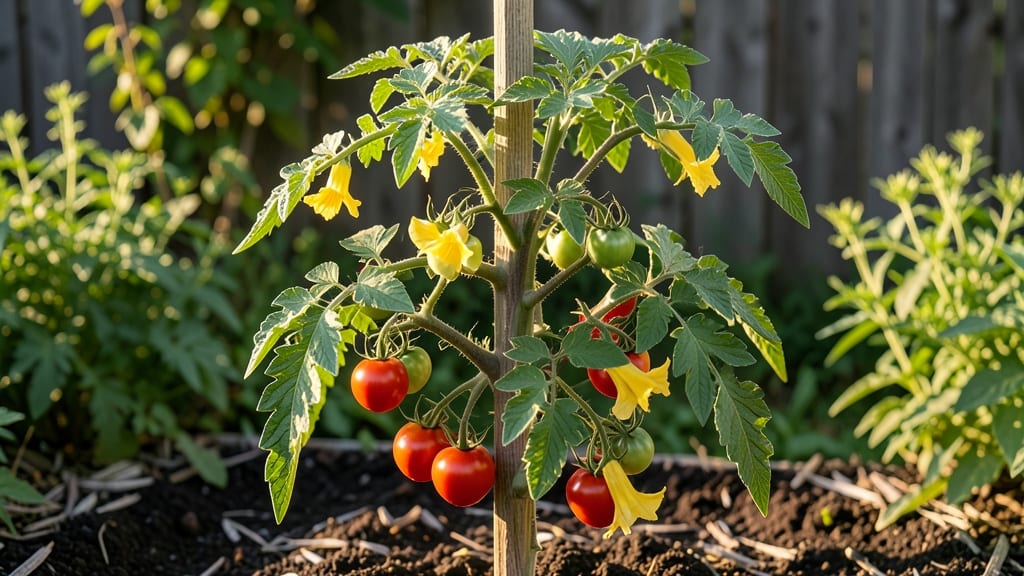
Tomato plants absolutely need sunlight to grow strong and produce fruit 🍅 — without it, you’ll end up with weak vines and few tomatoes, no matter how much you water or fertilize.
If your tomato plants aren’t producing—or worse, are wilting despite your care—sunlight might be the missing piece. But how much sunlight do they really need, and what happens when they don’t get enough?
Most tomato varieties thrive with 6–8 hours of direct sunlight daily, though some heat-tolerant types can handle even more. Without enough light, plants stretch toward the sun (leggy growth), produce fewer flowers, and struggle to set fruit.
In this guide, I’ll break down the exact sunlight needs, how to optimize placement (even in containers or shaded spots), and the telltale signs your tomatoes aren’t getting enough light.

How many sunlight hours tomato plants need for maximum growth
Tomatoes are sun worshippers—they need 6 to 8+ hours of direct sunlight daily to produce sweet, flavorful fruit and avoid common problems like blossom drop or stunted growth. Without enough light, photosynthesis slows, and your plants will struggle to convert energy into fruit.
But here’s the catch: not all tomato varieties have the same needs, and seasonal changes can shift what’s ideal.
Indeterminate varieties like Sungold cherry tomatoes or Brandywine heirlooms thrive with full sun exposure (8+ hours) because they grow continuously, producing fruit all season long.
Determinate types, such as Roma or Bush Early Girl, can tolerate slightly less light (6 to 7 hours) since they set fruit in one burst before stopping. However, even determinate plants will yield more with extra sunlight.
Seasonal adjustments matter too. In summer, when days are long, tomatoes can handle intense midday sun with proper watering. But in spring or fall, when sunlight is weaker, they may need supplemental light or relocation to a sunnier spot. Measuring sunlight accurately is key—more on that later!
Sunlight isn’t just about quantity; it’s also about quality. Direct sunlight (not filtered through trees or sheer curtains) triggers the chemical reactions that turn glucose into fruit sugars. Without it, your tomatoes might grow but lack the rich flavor and vibrant color gardeners love.
Think of sunlight as the fuel for your plant’s engine—skip it, and you’re asking for a disappointing harvest.
| Tomato Type | Sunlight Needs | Seasonal Adjustments | Signs of Too Little Sun |
|---|---|---|---|
| Indeterminate (e.g., Sungold, Brandywine) | 8+ hours daily | Relocate if <6 hours in spring/fall | Leggy stems, few flowers, poor fruit set |
| Determinate (e.g., Roma, Bush Early Girl) | 6–7 hours daily | Tolerates partial shade in heat | Small, pale fruit, slow ripening |
| Cherry Tomatoes (most varieties) | 7–8 hours daily | Use reflective mulch for extra light | Blossom drop, weak vines |
| Heirloom Tomatoes (e.g., Black Krim) | 8+ hours daily | Needs afternoon shade in extreme heat | Bitter flavor, cracked fruit |
To measure sunlight accurately in your garden, use a sunlight tracker app or a simple DIY method: place a white board or piece of paper where your tomato plants will grow and mark the sun’s shadow every hour.
If the shadow is cast for less than 4 hours during peak sunlight (10 AM–4 PM), you’re in a low-light zone. In such cases, consider south-facing containers or a greenhouse setup to boost light exposure.
Another trick is to rotate your plants every few days so all sides get even sunlight. This prevents one-sided growth and ensures your tomato plants develop strong, sturdy stems capable of supporting heavy fruit loads.
For container gardeners, choose light-colored pots—they reflect heat and can slightly increase light exposure for roots.
Extreme heat can also reduce sunlight effectiveness. When temperatures exceed 90°F (32°C), tomatoes may stop setting fruit due to heat stress, even with plenty of light.
In these cases, provide afternoon shade cloth (30–50% shade) to protect plants while still allowing 6+ hours of morning sun, which is the most critical for photosynthesis.
If you’re growing tomatoes in a shaded patio or balcony, opt for compact, high-yield varieties like Tiny Tim or Patio Princess, which can tolerate 4–6 hours of sun with supplemental grow lights.
LED grow lights with a full-spectrum bulb can fill gaps, but they’re no substitute for natural sunlight—think of them as a last-resort boost, not a replacement.
Pro tip: Mulch your tomato plants with straw or grass clippings to retain soil moisture and temperature. This helps roots absorb more sunlight energy efficiently, especially in hot, dry climates.
A well-mulched bed can improve fruit production by up to 20% in sunny conditions by reducing stress on the plant.
Remember, more sunlight doesn’t always mean better. While tomatoes love light, intense afternoon sun without water can scorch leaves. Always pair ample sunlight with consistent watering—aim for 1–1.5 gallons per plant every 2–3 days during peak growth.
Balance is key to growing tomatoes that are both productive and healthy.
Signs your tomato plants aren’t getting enough sunlight (and how to Fix it)
If your tomato plants are struggling to produce fruit or look weak despite your care, sunlight deficiency might be the culprit. Tomato plants need 6-8 hours of direct sunlight daily to thrive, and when they don’t get enough, their growth and fruiting suffer.
The first signs often appear in the leaves and stems, giving you clear clues to act before it’s too late.
One of the most obvious signs is yellowing leaves, especially on the lower stems. This condition, called chlorosis, occurs when the plant can’t produce enough chlorophyll due to lack of energy from sunlight.
You might also notice weak, leggy stems that stretch toward any available light, a classic sign your plants are reaching for more sun.
🚨
⚠️ Warning: Sunlight Deficiency Can Ruin Your Harvest
Tomatoes need sunlight to convert energy into fruit production. Without enough light, your plants will:
- ❌ Stop flowering (no pollination = no tomatoes)
- ❌ Develop weak stems (prone to breaking in wind)
- ❌ Produce small, tasteless fruit (if any at all)
- ❌ Become vulnerable to pests (stressed plants attract bugs)
🔹 Fix it fast: Move plants to sunnier spots immediately or use reflective surfaces (like mirrors or white walls) to bounce extra light onto leaves.
Another red flag is poor fruit set—even if your tomato plants are flowering, they may not develop fruit because sunlight is essential for pollination and fruit growth. You might see small, green tomatoes that never ripen or flowers that drop off without forming fruit.
This is your plant’s way of saying, “I need more energy to grow!”
For container-grown tomatoes, the problem might be even more pronounced. Potted plants have limited root space and can’t access sunlight as efficiently as in-ground plants. If your container tomatoes are growing slowly or producing tiny fruit, they’re likely not getting enough light.
Try moving them to a south-facing balcony or patio where they can soak up more rays.
If you can’t relocate your plants, consider using grow lights for 12-16 hours a day to supplement natural light. LED grow lights are energy-efficient and can help your tomatoes thrive even in low-light conditions.
Place them 6-12 inches above the plant and adjust as the plant grows to maintain optimal light exposure.
Finally, don’t forget to prune strategically to improve airflow and sunlight penetration. Remove any overlapping leaves or suckers that block light from reaching the lower parts of the plant. This simple step can make a big difference in how much sunlight your tomatoes actually receive.