
Companion Plants
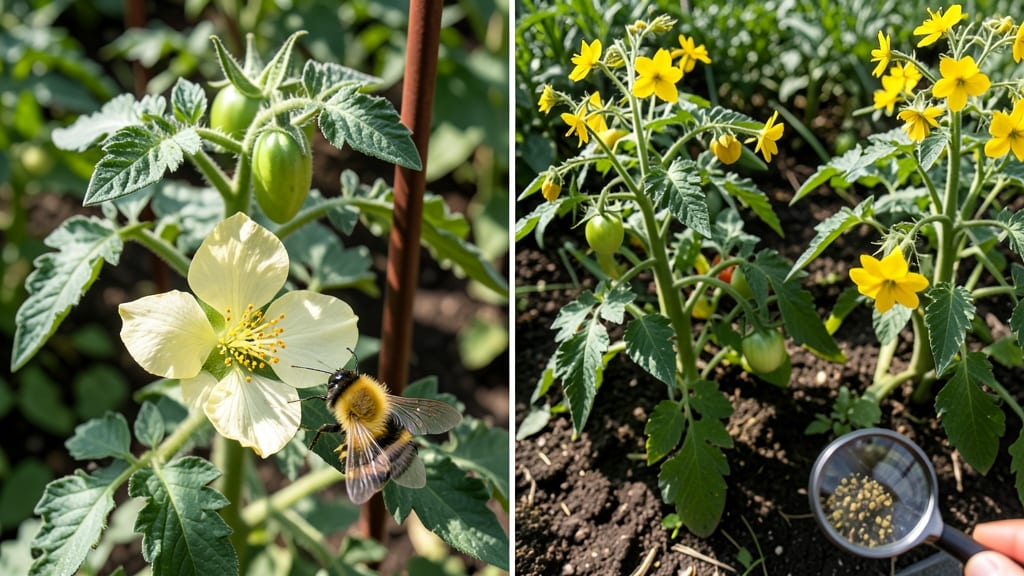
Whether you need two tomato plants to pollinate depends on the variety—self-pollinating types (like cherry tomatoes) produce fruit with their own pollen, while cross-pollinated varieties (like heirlooms) often require wind, bees, or manual assistance for fertilization.
Most gardeners assume they need multiple tomato plants to ensure fruit production, but the truth is far more flexible. 🌱 Self-pollinating varieties—common in cherry tomatoes—have flowers that release and catch pollen internally, eliminating the need for external help.
This makes them perfect for small spaces or containers where you might only grow one plant. For cross-pollinated types, however, you'll typically see better yields when planting at least two varieties nearby to encourage natural pollination through wind or insects.
Understanding your tomato varieties' pollination needs can save space and effort while still delivering a bountiful harvest. Many modern hybrids are bred to be self-sufficient, but heirlooms often require more attention.
If you're working with limited garden space, focusing on self-pollinating varieties can be a game-changer for maximizing your yield without the need for multiple plants.
💡 In This Article
- How Tomato Pollination Works: Self vs Cross-Pollinating Varieties
- Best Tomato Varieties for Small Gardens: Pollination-Friendly Picks
How tomato pollination works: self vs cross-pollinating varieties
Tomato flowers have a fascinating dual-purpose design: they produce both male and female reproductive parts in the same bloom. The yellow anthers at the center contain pollen, while the stigma (a small, sticky surface) sits below them, ready to receive it.
In self-pollinating varieties like 'Sweet 100' cherry tomatoes, the flower's anatomy ensures pollen lands on its own stigma within 24 hours of opening—often even before the flower fully unfolds. This internal mechanism eliminates the need for external pollinators, making these varieties perfect for containers or single-plant gardens.
The key difference lies in flower structure and pollen release timing. Cross-pollinating heirlooms like 'Brandywine' have flowers that remain open longer, allowing wind or bees to transfer pollen between plants. Without this external help, their fruit sets poorly—sometimes producing only 10-20% of potential yield.
The pollen grains in these varieties are heavier and stickier, requiring physical movement to reach receptive stigmas. Even a gentle breeze or visiting bee can make all the difference in triggering successful fertilization.
What most gardeners don't realize is that temperature and humidity play crucial roles in pollination success. Ideal conditions for natural pollination are 70-85°F with moderate humidity—too hot or too cold can reduce pollen viability or stigma receptivity. This is why some cross-pollinated varieties struggle in extreme climates unless you intervene.
For example, 'Celebrity' tomatoes (a hybrid) often perform well in containers because they're bred for self-pollination, while 'Black Krim' heirlooms may need hand-pollination in protected environments where bees are scarce.
Here's how you can tell if your tomato variety needs help: Observe the flowers. Self-pollinators like 'Tiny Tim' will have pollen already dusting the stigma by midday, while cross-pollinators like 'Sungold' will show clean stigmas until pollinators arrive.
The flower's lifespan also matters—selfers drop petals quickly (1-2 days), while crossers may stay open for 3-5 days. This longer bloom time creates the window for external pollination to occur.
For cross-pollinated varieties, you can mimic nature's methods. A simple tool like a soft paintbrush can transfer pollen between flowers in 30 seconds, increasing fruit set by up to 80%.
Even gently shaking the plant can dislodge pollen when bees aren't around. The science behind this is straightforward: movement creates friction that releases pollen from the anthers, making it available for transfer.
One interesting exception is the phenomenon called "geitonogamy"—when pollen moves between flowers on the same plant. While not as efficient as cross-pollination, this can still produce fruit in isolated plants, though with potentially lower genetic diversity.
This explains why you might see some fruit set even on single cross-pollinated plants, though yields will typically be 30-50% lower than with proper cross-pollination.
Understanding these mechanisms lets you make informed choices about plant spacing and variety selection. For example, if you're growing 'Early Girl' tomatoes in a small urban garden, you might pair it with another variety like 'Stupice' to ensure cross-pollination, while 'Patio' tomatoes can thrive happily alone.
The right combination can maximize your harvest without needing a large plot.