
Companion Plants
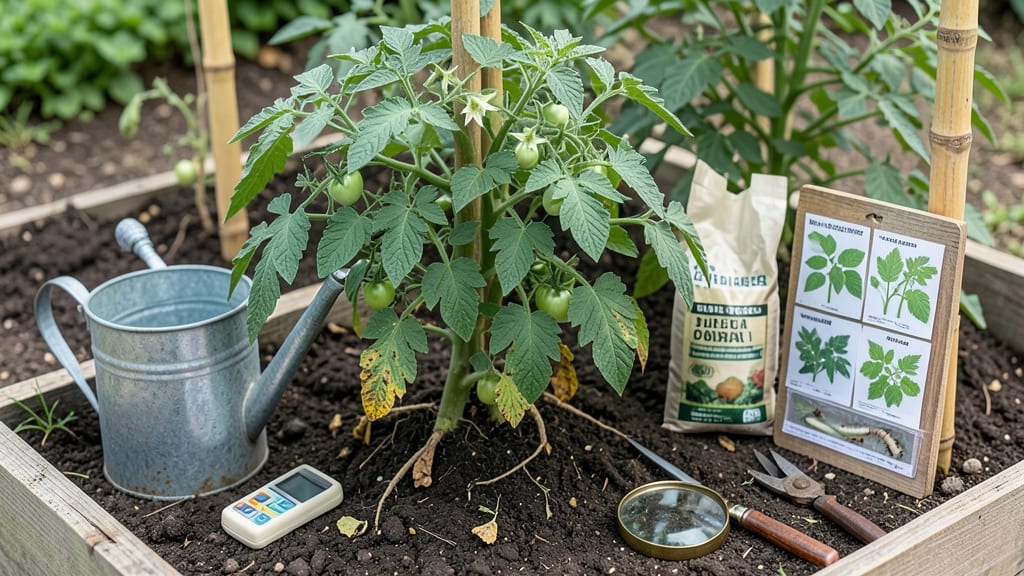
Your tomato plants turning yellow and dying usually means root rot is silently eating away at their foundation—often before you even notice. 🌱 I’ve seen this happen after heavy rains or when gardeners overwater their plants, thinking more moisture is always better.
The truth? Tomato roots need air almost as much as water, and soggy soil suffocates them faster than you’d expect.
The first sign is usually yellowing leaves at the bottom, followed by wilting stems and a foul smell at the base—like something’s rotting. If you pull up a plant and the roots look mushy or black instead of white and firm, that’s your answer.
The good news? You can still save your tomatoes with the right soil fix, even if they’re already struggling.
Start by improving drainage—amend heavy soil with compost and perlite to create air pockets, and consider raising beds if your yard stays waterlogged. Prune away infected leaves immediately, and only water at the base in the morning so foliage dries quickly.
Within 2-3 weeks, you’ll see new green growth as the roots recover.
Prevention is easier than rescue: space plants 18-24 inches apart, mulch heavily to regulate moisture, and avoid watering late in the day. If you’ve had root rot before, try container growing—it gives you total control over soil conditions. Your next tomato harvest will thank you.
Root Causes Behind Wilted Tomatoes
When your lush tomato plants suddenly start turning yellow and wilting, it’s often a cry for help from the roots—or even the soil itself. Understanding the underlying triggers is the first step to saving your harvest.
Below, we break down the most common culprits, backed by science, so you can diagnose the issue like a pro.
Tomatoes thrive on consistency but hate soggy roots. When soil stays waterlogged for too long, oxygen is cut off, and beneficial microbes suffocate. This creates the perfect storm for root rot, a fungal or bacterial infection that turns roots black and mushy while leaves yellow from starvation.
- Why it happens: Excess moisture triggers anaerobic conditions, where harmful pathogens like Phytophthora or Pythium multiply rapidly. Even well-draining soil can fail if water isn’t managed properly—think heavy rains, overzealous watering, or compacted clay.
- Tell-tale signs:
- Lower leaves yellow first, then wilt.
- Roots appear dark, slimy, or crumble when touched.
- Stems may feel hollow or spongy at the base.
- Actionable fix: Improve drainage by amending soil with perlite, sand, or compost (20-30% volume). Elevate containers with feet or plant in raised beds. Water only when the top 1-2 inches of soil are dry—and always in the morning to allow foliage to dry.
Yellowing leaves can signal a hunger strike, but not all deficiencies look the same. Tomatoes are heavy feeders, and specific nutrient shortages trigger distinct symptoms—often starting with yellowing before the plant weakens entirely.
| Nutrient | Yellowing Pattern | Root Cause | Quick Fix |
|---|---|---|---|
| Nitrogen (N) | Older leaves turn pale yellow (chlorosis) but stay attached. | Soil depletion or poor organic matter. | Apply compost, fish emulsion, or a balanced 10-10-10 fertilizer. |
| Magnesium (Mg) | Yellow interveinal patterns (between veins) on older leaves. | Low soil pH or lack of Epsom salt. | Feed with 1 tbsp Epsom salt per gallon of water every 2 weeks. |
| Potassium (K) | Yellowing edges or tips of leaves, often with brown spots. | Overwatering or leached soil. | Use wood ash or a potassium-rich fertilizer (like banana peel tea). |
| Iron (Fe) | Young leaves stay yellow-white (no green at all). | Alkaline soil (pH > 7.0) locks out iron. | Lower pH with sulfur or peat moss; use chelated iron supplements. |
Pro tip: 💡 Test your soil’s pH (ideal: 6.0–6.8) and conduct a simple nutrient test kit analysis before guessing. Over-fertilizing can also burn roots—always follow package instructions.
Pathogens like Fusarium wilt, Verticillium, or early blight don’t just yellow leaves—they clog plant vessels, cutting off water and nutrient flow. These diseases thrive in warm, humid conditions and often enter through wounds or weak roots.
- Why it happens:
- Fusarium/Verticillium wilt: Soil-borne fungi that spread via water or infected plants. Symptoms include one-sided wilting and yellowing, even with healthy roots.
- Early blight: Fungal spores (from Alternaria solani) cause concentric rings on lower leaves, which yellow and die.
- Bacterial spot: Tiny, water-soaked lesions turn yellow/brown, often with oily sheen.
- Tell-tale signs:
- Wilting doesn’t improve at night (unlike heat stress).
- Stems may show discoloration when cut open.
- Yellowing spreads upward over days.
- Actionable fix:
- Remove infected plants immediately and dispose of them (don’t compost!).
- Apply copper fungicide or baking soda spray (1 tbsp baking soda + 1 tsp oil + 1 gallon water) every 7–10 days.
- Improve airflow with pruning and mulch (straw or grass clippings) to reduce humidity.
- Rotate crops—never plant tomatoes in the same spot two years in a row.
Tomatoes are tropical plants at heart, and sudden shifts in their environment can trigger yellowing as a survival response. Heat, cold, or even poor sunlight disrupt their metabolism, leading to nutrient transport failures.
- Heat Stress:
- Above 90°F (32°C) causes sunscald—leaves turn yellow/brown and crispy, especially on the south side.
- Solution: Provide shade cloth (30-50%) during peak heat; mulch to keep roots cool.
- Cold Damage:
- Temperatures below 50°F (10°C) stunt growth; below 32°F (0°C), leaves blacken and die.
- Solution: Use row covers or move potted tomatoes indoors temporarily.
- Light Deficiency:
- Leggy, pale yellow stems and small leaves signal etiolation (stretching for light).
- Solution: Ensure 6–8 hours of direct sunlight; supplement with grow lights if indoors.
- Wind Burn:
- Dry, yellow patches on leaf edges from desiccating winds.
- Solution: Plant near a windbreak (like corn or sunflowers) or use burlap screens.
Revive Your Tomatoes: Step-by-Step Fixes
When your tomato plants start turning yellow and wilting, panic isn’t the answer—action is! The good news is that most issues are fixable with the right approach. Below, we’ve mapped out practical solutions for each common cause, along with prevention tips to keep your plants thriving.
Let’s get your tomatoes back to their vibrant, productive selves!
Signs: Yellowing leaves (especially lower ones), mushy stems, foul-smelling soil, or plants that topple easily.
How to Fix It:
- 🔥 Stop Watering Immediately
- Let the soil dry out completely for 3–5 days to prevent further rot. If the roots are already mushy, prune the affected parts with sterilized scissors (🔪).
- 🍳 Improve Drainage Fast - Repot or raise beds: If growing in containers, add perlite, coarse sand, or small gravel to the bottom 20% of the pot.
For in-ground plants, mound soil around the base to create airflow. - Test your soil: Stick a wooden skewer into the soil—if water drips out within 10 minutes, drainage is good. If not, amend with compost or coconut coir.
- 👨🍳 Fungal Treatment (If Needed)
- Mix 1 tbsp baking soda + 1 quart water + a few drops of dish soap and spray on leaves (avoid overdoing it—use every 7–10 days).
- For severe cases, apply copper fungicide (follow label instructions).
- ⏰ Adjust Watering Habits
- Water deeply but infrequently: Aim for 1–1.5 inches per week (check with a rain gauge). Water at the base, not the leaves, to avoid fungal spread.
- Mulch properly: Use straw or wood chips (2–3 inches thick) to retain moisture without suffocating roots.
💡 Prevention Tips:
- Choose well-draining pots (terracotta or fabric grow bags).
- Avoid saucer-style containers—opt for pots with drainage holes.
- Monitor soil moisture with your finger before watering.
Signs: Crispy yellow edges on leaves, wilting even after watering, dry soil pulling away from pot edges.
How to Fix It:
- 💦 Rehydrate Gradually
- Water slowly and deeply until it runs out the drainage holes. Repeat every 2–3 days until leaves perk up.
- For severe stress, submerge the pot in water for 30 minutes to revive roots (empty excess afterward).
- 🌡️ Beat the Heat
- Shade cloth (30–50%) during peak sun (10 AM–4 PM) if temps exceed 90°F (32°C).
- Move pots to a spot with morning sun + afternoon shade (east-facing is ideal).
- 🥗 Boost Humidity
- Place a tray of water near plants or mist leaves early in the morning (avoid evening misting to prevent fungal growth).
💡 Prevention Tips:
- Water before soil dries completely—stick your finger 1 inch deep to check.
- Use self-watering containers for vacations or hot climates.
- Group plants together to create a microclimate with higher humidity.
Signs: Yellow spots with concentric rings (early blight), dark lesions on stems (late blight), or white powdery residue (mildew).
How to Fix It:
- 🧹 Remove Infected Parts
- Prune yellow/diseased leaves with sterilized shears and dispose of them in the trash (not compost).
- 🧴 Apply Fungicides
- Neem oil spray (1 tsp neem oil + 1 quart water + drop of soap) every 7 days for prevention.
- Copper-based fungicide (like Copper Soap) for severe outbreaks—spray at dusk to avoid leaf burn.
- 🌿 Improve Airflow
- Space plants 18–24 inches apart and stake tomatoes to prevent crowding.
- Remove lower leaves touching the soil to reduce moisture buildup.
💡 Prevention Tips:
- Rotate crops—don’t plant tomatoes in the same spot yearly.
- Solarize soil in fall (cover with clear plastic for 4–6 weeks to kill pathogens).
- Water at the base in the morning to keep foliage dry.
Signs: Uniform yellowing (chlorosis), stunted growth, or purple stems (nitrogen/phosphorus deficiency).
How to Fix It:
- 📊 Test Your Soil
- Use a DIY soil test kit (available at garden centers) or send a sample to a local extension office.
- 💪 Fertilize Smartly
- For nitrogen (yellow leaves, slow growth): Use fish emulsion (5-1-1) or compost tea.
- For potassium/magnesium (yellow edges): Apply Epsom salt (1 tbsp per gallon of water) or wood ash (sparingly).
- For phosphorus (purple stems): Use bone meal (1 tbsp per plant) or kelp meal.
- 🌱 Boost Organic Matter
- Mix 2–3 inches of compost into the top 6 inches of soil around the base (avoid direct contact with stems).
💡 Prevention Tips:
- Fertilize every 3–4 weeks during growing season with a balanced 10-10-10 or 5-5-5 formula.
- Avoid over-fertilizing—too much salt can burn roots!
- Use slow-release granules for steady nutrition.
Signs: Sticky leaves (aphids), tiny webs (spider mites), or white flies when shaken.
How to Fix It:
- 🚿 Blast Off Pests
- Spray with water (strong stream from a hose) to knock off aphids/whiteflies.
- Wipe leaves with a soapy water cloth (1 tsp mild soap per gallon of water).
- 🐝 Introduce Beneficial Insects
- Ladybugs or lacewings eat aphids—release them in the evening.
- Predatory mites control spider mites (available at garden stores).
- 🍋 Homemade Sprays
- Neem oil spray (as above) or garlic spray (blend 2 cloves garlic + 1 quart water, strain, and spray).
💡 Prevention Tips:
- Inspect plants weekly—catch pests early!
- Use reflective mulch (like aluminum foil) to deter whiteflies.
- Plant companion herbs (basil, marigolds) to repel pests.
If your tomato plant is completely mushy, blackened, or has no green leaves left, it’s likely beyond saving.
However, you can: - Harvest remaining fruit (they’ll ripen off the vine). - Use the space for fast-growing crops like bush beans or lettuce. - Learn from the experience—adjust care for your next batch!
Pro Tip: 🎯 Keep a garden journal to track watering, fertilizing, and issues—it’s the fastest way to prevent future problems! With these fixes, your tomatoes should bounce back in 1–2 weeks (or even faster for mild cases). Happy growing! 🍅✨
Frequently asked questions
Why do my tomato leaves turn yellow first at the bottom?
Bottom yellowing is usually the first sign of root stress or nutrient deficiencies. When roots struggle (from overwatering, poor drainage, or disease), they can't transport nutrients upward, causing older leaves to yellow first as the plant prioritizes new growth. Check for mushy roots or foul-smelling soil—this often indicates root rot.
Can I save a tomato plant if the stems feel hollow or spongy?
If stems feel hollow or spongy, the plant is likely too far gone from advanced root rot or vascular disease (like Fusarium wilt). While you can harvest remaining fruit, the plant itself won't recover. Focus on preventing spread to other plants by removing it immediately and disinfecting tools with rubbing alcohol.
How often should I water tomatoes to prevent yellowing?
Water tomatoes deeply but infrequently—aim for 1-1.5 inches per week, checking soil moisture by sticking your finger 1-2 inches deep. Water at the base in the morning to allow foliage to dry, and avoid wetting leaves to prevent fungal diseases. Overwatering is the #1 cause of yellowing!
What's the difference between yellowing from overwatering vs. underwatering?
Overwatered plants show bottom yellowing with mushy stems and foul-smelling soil, while underwatered plants have crispy yellow edges and dry, pulling soil. The key difference: overwatered plants wilt even when soil is wet, while underwatered plants wilt when soil is dry. Feel the soil—if it's soggy, you're overdoing it!
Will Epsom salt fix yellow leaves caused by magnesium deficiency?
Yes! For magnesium deficiency (yellow interveinal patterns), mix 1 tablespoon Epsom salt per gallon of water and apply every 2 weeks. This works best when combined with improving soil drainage. Test your soil first—if the pH is too high (>7.0), magnesium becomes unavailable even if present.