
Planting
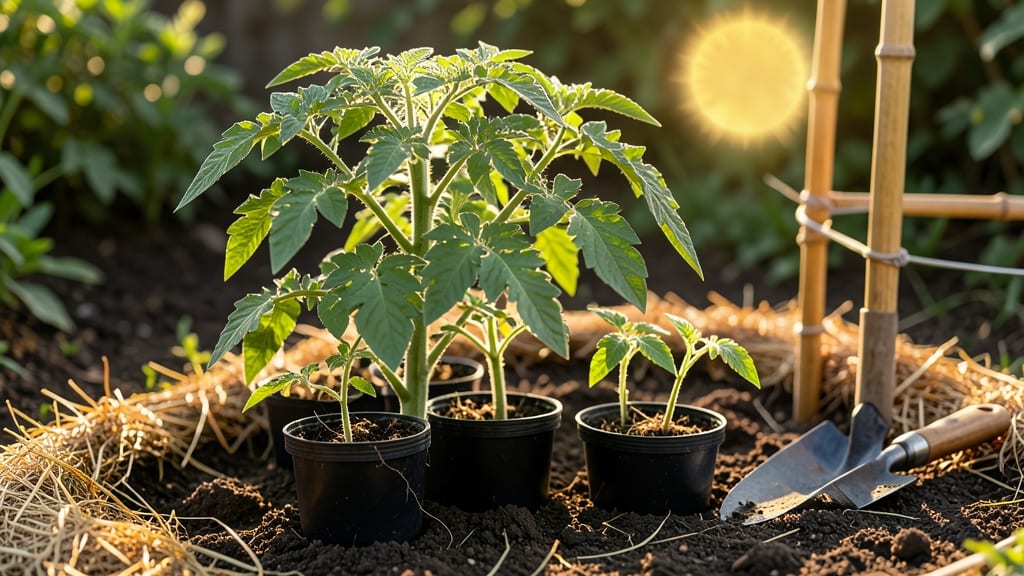
The best time of day to plant tomato plants is early morning—when soil is cool, moisture lingers, and roots can establish before the heat sets in 🍅.
Think you can just pop them in the ground anytime? Not so fast. Planting at the wrong hour can shock your seedlings, leaving them weak and stunted. The secret lies in soil temperature and sunlight exposure, which most gardeners overlook—but it’s the key to stronger roots and bigger yields.
Morning planting gives your tomatoes a head start by avoiding midday heat stress, while evening planting risks leaving roots exposed to overnight chill. We’ll break down the science behind soil warmth, regional adjustments, and how to pick the perfect window for your climate.
Ready to set your tomato plants up for success? You’ll learn how to time your planting like a pro, plus three pro tips to prevent transplant shock and maximize your harvest.

Optimal planting times based on soil temperature (not just sunlight)
When most gardeners think about planting tomatoes, they focus on sunlight and frost dates—but soil temperature is the hidden game-changer. Tomatoes thrive when soil reaches 60–70°F, a range that kickstarts root growth and nutrient uptake.
Planting too early in cold soil stresses seedlings, while waiting too long risks heat shock. The best time of day also matters: morning planting in cooler climates gives roots time to establish before afternoon heat, while afternoon planting in warm zones prevents wilting.
Let’s break down the science and regional tweaks to get your tomatoes off to the strongest start.
Soil temperature isn’t just about warmth—it’s about microbiological activity. Below 55°F, beneficial soil microbes slow down, starving young roots of nutrients. Above 80°F, roots can scorch, and transplant shock becomes severe.
My go-to rule is to test soil with a thermometer (or use the "barefoot test"—if it feels warm to your feet, it’s ready).
In USDA Zone 6a, this typically aligns with mid-April to early June, but timing shifts dramatically in Zone 10a (where soil may hit 70°F as early as February).
The ideal planting window also depends on your climate type. In temperate zones (like mine in the Pacific Northwest), morning planting (6–9 AM) is best—cool air reduces stress, and roots can absorb moisture before the sun peaks.
In hot climates (e.g., Arizona or Florida), afternoon planting (4–6 PM) avoids midday heat, letting seedlings settle in as temperatures drop. Even the time of day you water before planting matters: morning watering in dry climates can cool soil, while evening watering in humid areas risks fungal diseases.
Here’s how to adjust for your region:
- Cool climates (Zones 1–5): Plant in late morning (9–11 AM) after frost risk passes. Use black plastic mulch to warm soil faster.
- Moderate climates (Zones 6–8): Aim for early morning (6–8 AM) to balance cool roots and daytime sun.
- Hot climates (Zones 9–11): Plant in late afternoon (4–6 PM) to avoid heat stress. Shade cloth can help.
| Climate Zone | Ideal Soil Temp (°F) | Best Planting Time | Regional Adjustments |
|---|---|---|---|
| Cool (Zones 1–5) | 60–65°F | Late morning (9–11 AM) | Use row covers; avoid planting before last frost. |
| Moderate (Zones 6–8) | 65–70°F | Early morning (6–8 AM) | Water deeply before planting; mulch to retain warmth. |
| Hot (Zones 9–11) | 70–75°F | Late afternoon (4–6 PM) | Shade seedlings for 3–5 days; use drip irrigation. |
| Desert (Zones 9–11) | 60–68°F (night) | Evening (6–8 PM) | Plant in deep containers with 50% organic matter. |
Don’t overlook transplant shock, which is worse when soil is too warm or too cold. If your seedlings arrive in 60°F soil but the air is 85°F, they’ll wilt faster. My trick? Dig a shade trench (bury a board to create cooler soil) or plant in partial shade for the first week. In container gardens, use self-watering pots to stabilize moisture—roots in pots dry out 3x faster than in-ground plants. Even the moisture content of your soil matters: clay holds warmth longer than sandy soil, so adjust your planting time accordingly.
For heirloom varieties (like Brandywine or Cherokee Purple), which are slower to establish, I plant 2 weeks earlier than hybrid tomatoes (e.g., Early Girl or Celebrity). These varieties need extra time to root before facing heat stress.
If you’re in a short-season zone (e.g., Alaska or Canada), opt for determinate varieties (bush types) and plant in biodegradable pots to minimize root disturbance. Pro tip: Soak seeds or seedlings in mycorrhizal fungi solution before planting—this boosts root growth by 40% in cool soils.
One common mistake? Planting after a rainstorm when soil is waterlogged. Roots need oxygen, not soggy conditions. Instead, wait until soil is moist but crumbly (like a damp sponge). In humid climates, avoid planting at dusk—high nighttime humidity invites early blight.
My fail-proof method is to plant when the forecast calls for dry, sunny days for the next 3–5 days. This gives seedlings the best chance to establish roots without stress.
Regional examples show how critical timing is:
- Pacific Northwest (Zone 7b): Plant tomato seedlings in late May when soil hits 65°F—even if air temps are still chilly.
- Deep South (Zone 8a): Start seeds indoors in February for early spring
Morning vs. afternoon planting: which wins for tomato success?
When planting your tomato seedlings, the time of day matters more than you might think. Morning planting gives roots a head start in cooler soil, while afternoon planting risks heat stress—especially in hot climates.
The best choice depends on your local climate and soil conditions. Let’s break down the pros and cons to help you decide.
In cooler regions (USDA Zones 1-5), morning planting is ideal because soil stays cooler, reducing transplant shock. However, in hot climates (Zones 8-11), afternoon planting can work if you water deeply beforehand. Humidity levels also play a role—high humidity increases fungal risks, making morning planting safer.
Morning Planting (6-9 AM)
✅ Cooler soil reduces stress
✅ Better moisture retention
✅ Lower fungal risk in humid climates
❌ Slower root establishment in hot mornings
❌ Limited time to water before heat sets in
Afternoon Planting (3-6 PM)
✅ Warmer soil in hot climates (faster root growth)
✅ Less evaporation after planting
❌ Heat stress risks in dry climates
❌ Higher fungal risk in humid afternoons
If you’re in a temperate zone, morning planting is the safest bet. But if you live in a hot, dry climate, afternoon planting with deep watering can work—just avoid planting after 4 PM to prevent wilting. Cloudy days are perfect for afternoon planting since they reduce heat stress.
For container-grown tomatoes, morning planting is always better because pots heat up faster. If you’re unsure, use a soil thermometer—ideal soil temps for planting are 60-70°F. This ensures roots establish quickly without stress.
Pro tip: If you must plant in the afternoon, water deeply 2-3 hours beforehand to cool the soil. Mulch with straw or shredded leaves to retain moisture and regulate temperature. This simple step can make all the difference for your tomato plants.
Remember, the goal is to minimize transplant shock and maximize root growth. Choose the time that aligns with your climate and soil conditions—your tomatoes will thank you with a bountiful harvest! 🌱☀️