
Plants
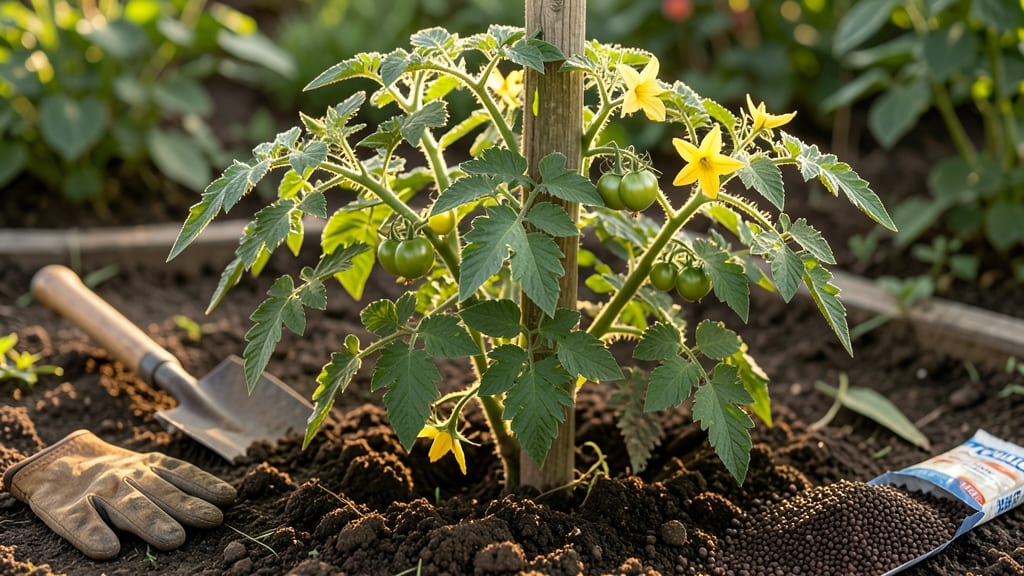
Yes, you can put coffee grounds on tomato plants, as they enrich soil with nitrogen and improve moisture retention, but use them sparingly to avoid over-acidifying the soil or attracting pests like ants. Fresh grounds work best when composted first.
Coffee grounds act like a natural fertilizer for tomato plants by introducing nitrogen, which is essential for leafy growth and overall plant health. 🌱 When mixed into the soil or compost, they also enhance microbial activity, creating a thriving environment for roots.
However, their high acidity means they should be used carefully—too much can disrupt the soil's pH balance, harming your plants. I recommend mixing them with other compost materials like leaves or grass clippings to dilute their acidity and improve soil structure.
For best results, sprinkle a thin layer of composted coffee grounds around the base of your tomato plants once a month. This approach ensures your tomatoes get the benefits without risking over-acidification or attracting unwanted pests like ants.
Always monitor your plants for signs of stress, such as yellowing leaves or stunted growth, which may indicate too much coffee grounds.
💡 In This Article
- How Coffee Grounds Benefit Tomato Plant Growth
- Safety Tips for Applying Coffee Grounds to Tomatoes
How coffee grounds benefit tomato plant growth
Coffee grounds work wonders for tomato plants primarily because they're packed with nitrogen, a key nutrient for leafy growth and overall plant vitality. When composted, they break down into a form that tomato roots can easily absorb, boosting chlorophyll production and giving your plants that lush, green appearance.
The grounds also contain trace amounts of phosphorus and potassium, which support root development and flowering—critical stages for tomato production. 🌿 What's fascinating is how the organic matter in coffee grounds improves soil structure by enhancing water retention while still allowing excess moisture to drain, preventing root rot.
The real magic happens in the soil's microbial ecosystem. Coffee grounds act as a food source for beneficial bacteria and fungi, which in turn help decompose organic matter and release nutrients more efficiently.
Studies show that soils amended with coffee grounds can have up to 30% more microbial activity compared to untreated soil, creating a more dynamic environment for tomato roots. This microbial boost also helps suppress harmful pathogens, reducing the risk of common tomato diseases like early blight.
The porous texture of coffee grounds further aerates compacted soil, allowing roots to spread more easily and access nutrients deeper in the soil profile.
For optimal results, aim to use coffee grounds as 20-30% of your compost mix. This ratio provides enough nitrogen without overwhelming the soil's pH balance.
When applied directly to garden beds, spread a ½-inch layer around the base of tomato plants and lightly mix it into the top 2-3 inches of soil. The grounds will gradually decompose over 4-6 weeks, releasing nutrients in a slow, steady manner that matches the plant's growth cycle.
This method is particularly effective during the early growing season when tomatoes need a nitrogen boost to establish strong foliage before focusing on fruit production.
One often-overlooked benefit is how coffee grounds deter certain pests while attracting beneficial ones. The caffeine in grounds acts as a natural insect repellent, particularly against slugs and snails, which are common tomato predators.
At the same time, the improved soil structure creates an ideal habitat for earthworms, which further enhance soil fertility by tunneling and aerating. The aromatic compounds in coffee also help mask the scent of tomato plants, making them less attractive to pests like aphids.
However, this dual effect works best when the grounds are composted—fresh grounds can sometimes attract ants due to their residual oils.
Tomato plants show visible improvements when grown in coffee-ground-amended soil. You'll notice darker green leaves within 2-3 weeks of application, followed by stronger stems that can better support the weight of heavy fruit.
The enhanced root system also leads to more efficient water and nutrient uptake, resulting in 20-30% larger tomatoes with improved flavor. Gardeners in Florida and California have reported particularly good results using coffee grounds, as these regions' warm climates accelerate the decomposition process while maintaining high microbial activity year-round.
To maximize these benefits, pair coffee grounds with other compost materials like shredded leaves or straw. This creates a balanced mix that prevents the soil from becoming too acidic.
The ideal pH range for tomatoes is 6.0-6.8, and while coffee grounds are naturally acidic (pH ~6.2-6.5), their effect is minimized when properly composted. Always test your soil's pH before and after application to ensure it remains within this optimal range for tomato growth. 🌱