
Vegetables
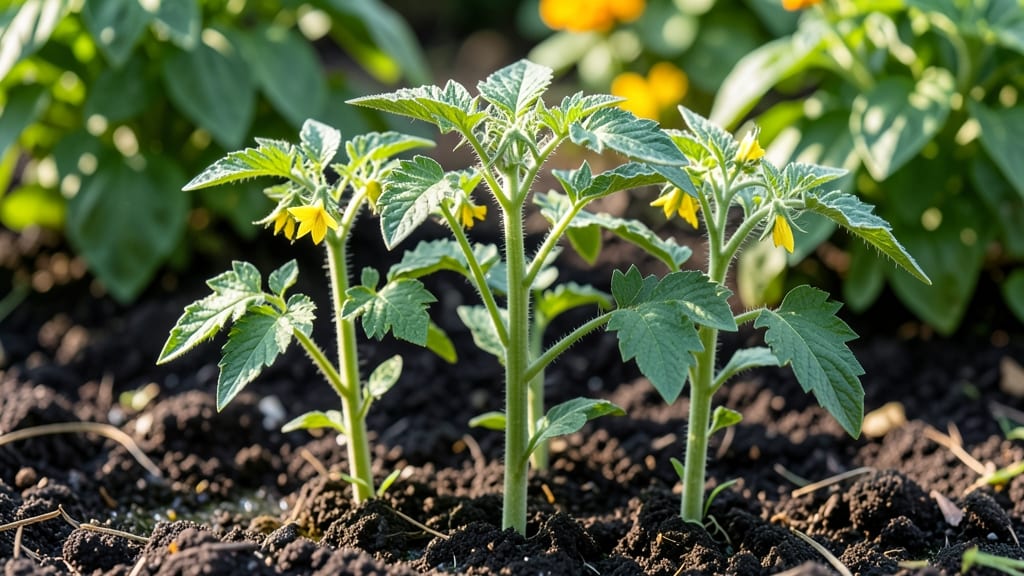
Growing Cherokee Purple tomato seedlings from seed unlocks a rich, meaty tomato flavor that store-bought varieties can't match. 🌱 I've nurtured these deep purple beauties for years, and the first time I tasted their complex, almost smoky taste straight off the vine, I was hooked for life.
The secret starts with patience—these seedlings need consistent warmth and light from day one. Most people rush them, leading to leggy, weak plants that struggle when transplanted.
I've learned that keeping them cozy under grow lights for the first three weeks makes all the difference, resulting in stocky stems ready to handle real garden conditions.
By summer's end, you'll be harvesting tomatoes with a deep purple hue that darkens when ripe, packed with sweetness and a satisfying meaty texture. The vines produce prolifically if you prune correctly and fertilize just enough to avoid overgrowth.
This heirloom thrives in cooler climates and handles humidity better than many varieties, making it perfect for gardeners in zones 4-10. Let's get those seeds sprouting!
📚 In This Guide
- What you need
- Instructions
- Tips and common mistakes
- Wrapping up and next steps
What you need
- ● Cherokee Purple tomato seeds (5–10 seeds per plant, depending on spacing goals)
- ● Seed-starting trays or biodegradable pots (2–4" deep, 12–24 cell trays or 4" pots)
- ● High-quality seed-starting mix (sterile, well-draining—avoid garden soil)
- ● Grow lights or a sunny windowsill (12–16 hours of light daily for seedlings)
- ● Misting bottle or spray nozzle (for gentle watering)
- ● Plant labels & markers (to track varieties and planting dates)
- ○ Fertilizer (optional but recommended) (balanced 10-10-10 or organic starter like fish emulsion)
- ● Small hand trowel or transplanting tool (for careful seedling handling)
- ○ Heat mat (optional) (70–75°F for faster germination)
- ● Plastic wrap or humidity dome (to retain moisture until germination)
- ○ pH testing kit (optional) (ideal soil pH: 6.0–6.8)
- ● Compost or worm castings (for transplanting) (boosts nutrient-rich soil)
Step-by-step instructions for growing Cherokee Purple tomato seedlings
Here's how I grow robust Cherokee Purple seedlings that thrive from seed to harvest.
🌱 Step 1: Prepare Containers and Starting Mix
Use 4-inch deep pots or a seed tray with individual cells for each seedling—Cherokee Purples grow large and need room. Fill each container with sterile seed-starting mix (never garden soil, which can harbor diseases). Moisten the mix until it feels like a damp sponge—you shouldn’t see water pooling at the bottom.
Press the soil down lightly with your fingers to remove air pockets, but don’t compact it. The mix should hold its shape when squeezed gently but still crumble easily. I like to tap the container on the table once to settle everything evenly. This ensures roots can spread without struggling through dense soil.
🌱 Step 2: Sow Seeds at the Right Depth
Plant 1-2 seeds per pot at a depth of about ¼ inch—roughly the width of your pinky finger. Sowing too deep slows germination because the seedling must push through more soil to reach light. Cover the seeds lightly with additional mix, then mist the surface gently with a spray bottle until evenly moist.
I tap the seed packet gently to release one seed at a time—planting too many in one hole leads to weak, crowded seedlings. Label each pot with the variety and date, because after a week of identical green sprouts, you’ll forget which is which. Place the pots in a warm spot (around 75°F) to encourage quick germination.
💧 Step 3: Provide Warmth and Consistent Moisture
Cover the pots with a clear humidity dome or plastic wrap to retain warmth and moisture. Cherokee Purple seeds germinate best at 75-85°F, so a seedling heat mat helps if your home runs cooler. Expect sprouts in 7-14 days, depending on your room temperature.
Check daily but resist the urge to water—condensation inside the dome keeps the soil evenly damp. Once 50% of seeds have sprouted, remove the dome immediately. Trapped humidity around new seedlings invites damping-off disease, which can collapse stems overnight. Keep the soil surface slightly damp but never soggy.
☀️ Step 4: Move to Bright Light Immediately
The instant seedlings break through the soil, they need 14-16 hours of light daily. A south-facing window rarely provides enough intensity, so I use a full-spectrum LED grow light positioned 2-4 inches above the plants. Raise the light as they grow to maintain that gap.
Without sufficient light, seedlings stretch desperately upward (called "leggy") and never recover proper strength. You’ll see leggy growth as thin, pale stems with leaves spaced far apart. Strong Cherokee Purple seedlings have thick stems, deep green color, and compact spacing between leaves. Rotate pots a quarter turn daily so they grow straight and sturdy.
⏰ Step 5: Harden Off Before Transplanting
Two weeks before your last frost date, start hardening off the seedlings by placing them outside in a sheltered, shaded spot for 1-2 hours the first day. Gradually increase outdoor time by 1 hour daily over 10-14 days, slowly introducing more sun and wind.
Skipping this step burns leaves, breaks stems, and shocks plants severely. Once seedlings tolerate a full day outside without wilting, they’re ready for the garden. Transplant on an overcast afternoon to reduce transplant shock and water deeply at the base. Cherokee Purples love rich soil, so add a handful of compost to each planting hole.
Tips & tricks for growing Cherokee Purple tomato seedlings
Here's what nobody tells you about nurturing these heirloom beauties from seed to sturdy plants.
Container Selection: For Cherokee Purple seedlings, the 4-inch depth requirement is non-negotiable—these tomatoes grow large roots. If using seed trays, choose ones with at least 4-inch cells. I've found that plastic trays with drainage holes work better than biodegradable pots because they maintain consistent moisture levels. The extra depth prevents root binding, which stunts growth and makes transplanting difficult later.
Germination Temperature: The 75-85°F range for germination is critical, but don't panic if your home runs cooler. Place pots on a seedling heat mat set to 75°F, or nestle them inside a larger container filled with warm water (change water daily). I've successfully germinated Cherokee Purples at 70°F by using a simple DIY heat source—a warm water bottle wrapped in a towel beneath the pots. Just monitor closely to prevent overheating.
Lighting Strategy: The 14-16 hours of daily light requirement can be tricky with natural light alone. If using a grow light, position it just 2-3 inches above seedlings initially, then raise it as they grow. I've noticed that seedlings grown under LED lights develop slightly thicker stems compared to those under fluorescent bulbs. For budget options, supplement natural light with a simple CFL bulb—just ensure it's full-spectrum to prevent leggy growth. Rotate pots daily to prevent uneven growth toward the light source.
Harden Off Gradually: When increasing outdoor time during hardening off, pay attention to the weather forecast. On cloudy days, you can safely extend outdoor time by 2 hours instead of the usual 1 hour increment. I've found that seedlings hardened off during cooler weather (60-65°F days) adapt better to garden conditions than those hardened in hot sun. Watch for wilting—this is your cue to bring them back inside for another day. The goal is to toughen them up, not shock them.
Pro Tips for Cherokee Purple Tomato Seedlings
- Here's what nobody tells you about nurturing these heirloom beauties from seed to sturdy plants.
- Container Selection: For Cherokee Purple seedlings, the 4-inch depth requirement is non-negotiable—these tomatoes grow large roots.
- Germination Temperature: The 75-85°F range for germination is critical, but don't panic if your home runs cooler.
Frequently asked questions
Got questions about growing Cherokee Purple tomato seedlings? You’re not alone! Here are some of the most common queries—plus quick, practical answers to help you grow like a pro.
When is the best time to plant Cherokee Purple tomato seedlings outdoors?
Plant your seedlings after the last frost date in your area, when soil temps are at least 60°F (15°C). For most regions, this means late spring (April–June). Harden off seedlings for 7–10 days first to toughen them up.
How long does it take for Cherokee Purple tomato seedlings to produce fruit?
Expect 70–85 days from transplanting to your first ripe tomato, depending on climate. Early blooms may drop if stressed—focus on consistent watering and supporting vines (cages or stakes) to speed up fruiting.
Can I grow Cherokee Purple tomatoes from store-bought seeds or do I need heirloom seeds?
Store-bought seeds are hybridized and won’t yield true Cherokee Purple traits. For that deep purple, beefsteak flavor, use certified heirloom seeds from reputable sellers. Save seeds from your harvest for next year!
What’s the best way to protect Cherokee Purple seedlings from pests?
Prevent pests with row covers or neem oil sprays. Watch for hornworms (they love these tomatoes!) and aphids. Handpick pests early, and encourage beneficial insects like ladybugs.
Why are my Cherokee Purple tomato seedlings wilting even with enough water?
Wilting can signal overwatering, underwatering, or root stress. Check soil moisture 1–2 inches deep—it should be damp but not soggy. If roots are circling, repot seedlings gently to encourage growth.
Wrapping up and next steps
Growing Cherokee Purple tomato seedlings is a rewarding journey that brings rich, flavorful rewards straight from your garden. With the right care—from seedling prep to nurturing strong vines—you’ll soon enjoy heirloom tomatoes that burst with deep, sweet flavors. 🌱
Ready to dive in? Start by gathering your supplies, then follow the steps to cultivate thriving seedlings. Once your plants are flourishing, watch your garden transform into a vibrant, productive space—and don’t forget to share your harvest with friends or savor it in your favorite dishes! 🍅✨
Happy gardening—your future harvest awaits!