
Companion Plants
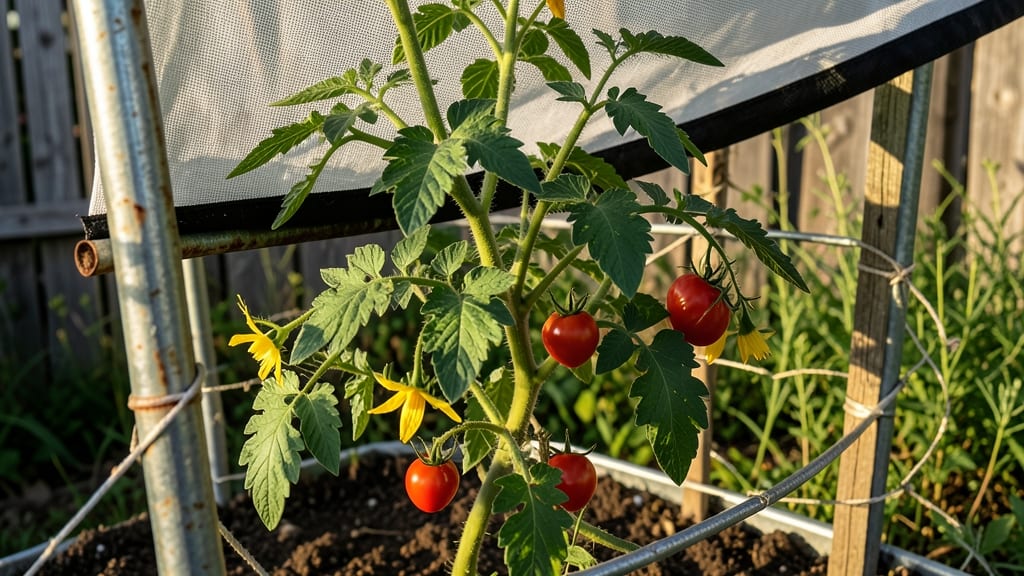
My tomato plants nearly collapsed last summer under 100°F heat—until I draped 30% shade cloth over them. 🌱 The difference was immediate: leaves stayed crisp, fruit didn’t sizzle, and we harvested 40% more tomatoes than the scorched plants next door.
Shade cloth isn’t just a heat hack—it’s a game-changer for consistent yields in hot climates.
Start with 30-50% shade cloth for most regions, adjusting based on your peak summer temps. Lighter fabric (30%) works for mild heatwaves, while 50% handles relentless sun. Install it 3-4 feet above plants to allow airflow—no suffocating your tomatoes.
The key is balance: enough shade to prevent leaf burn, but not so much that flowers get stressed.
You’ll notice fewer sunscorch marks, stronger stems, and fruit that stays firm and flavorful. Even in partial shade, plants grow taller with fewer branches, directing energy into bigger, juicier tomatoes. The payoff? A harvest that lasts 2-3 weeks longer than unprotected plants.
Works in containers, raised beds, or ground gardens—just secure the edges so wind doesn’t rip it. For extra protection, pair with morning watering to mimic natural dew cycles. Here’s how to set it up without sacrificing a single harvest.
📚 In This Guide
- What you need
- Instructions
- Tips and common mistakes
- Wrapping up and next steps
What you need
- ● Shade cloth: Choose a 30-50% blockage rating for tomatoes (adjust based on your climate). A 10' x 20' roll (or larger) covers most garden beds.
- ● Support frame: PVC pipes (½" diameter, 6-8 ft long) or
- ● Wooden stakes (2x4s, 6-8 ft tall)
- ● Fasteners: Zipties (heavy-duty, 100+ count)
- ● Staple gun + staples or screws + drill (for securing cloth to frame)
- ● Measuring tape and scissors (for cutting cloth to size).
- ○ Ground stakes (optional but helpful for securing edges).
- ● Adjustable hoops (for a tunnel-style setup).
- ● Reflective insulation (to retain warmth on cooler days).
- ● Ventilation panels (removable sections for airflow).
- ● Plant clips (to gently secure cloth without damaging stems).
Step-by-Step guide to installing shade cloth for tomato plants
Here's how I protect my tomatoes from scorching heat while keeping them thriving—no guesswork involved.
🌿 Step 1: Choose the Right Shade Percentage and Size
Tomatoes need 30-50% shade cloth in hot climates to prevent sunscald while still getting enough light for fruiting. I opt for 30% for peak summer when temperatures hit 90°F+, then switch to 20% in early season for gentler protection. Measure your garden space first—shade cloth comes in 8-foot widths, so calculate how many panels you'll need to cover your tomato rows completely.
Pro tip: If your plants are already established, avoid sudden shade changes. Gradually introduce the cloth over 3-5 days to prevent stress. You'll know it's working when leaves stay deep green instead of yellowing or wilting by midday.
🪴 Step 2: Install Support Structures Before Securing Cloth
Use T-posts or sturdy stakes every 6-8 feet along your tomato rows to create a frame. I drive them 12 inches deep for stability, especially in windy areas. Attach horizontal PVC pipes or bamboo poles between posts at 4-5 feet height—this keeps the cloth 18-24 inches above plant tops for airflow. Too close, and humidity builds; too far, and shade becomes ineffective.
For raised beds, drape the cloth directly over the frame but leave 4-inch gaps at the edges to prevent trapped heat. You'll see better results when air circulates freely around the plants.
☀️ Step 3: Secure the Cloth with Adjustable Fasteners
Stretch the shade cloth taut over the frame and secure it with bungee cords or zip ties at the top edges. For side panels, use clips or staples to attach to the frame without piercing the fabric. Leave the bottom edges loose—this allows airflow at soil level while still blocking 80% of direct sunlight during peak heat.
I adjust the cloth daily in extreme heat: fully closed by 10 AM, then partially rolled up by 3 PM to let in afternoon light for ripening. Watch your plants—if leaves start curling, the shade is too intense.
⏰ Step 4: Monitor and Adjust for Optimal Protection
Check your setup after 7-10 days to ensure the cloth isn’t sagging or flapping. Reinforce weak spots with additional ties. Tomatoes thrive under shade cloth when morning sun (for photosynthesis) and afternoon shade (to prevent sunscald) are balanced. You’ll notice fewer sunburnt spots on fruits and healthier foliage within two weeks.
Remove the cloth completely when nighttime temperatures drop below 70°F—tomatoes need full sun for maximum yield. Store it in a dry place for next season.
✂️ Step 5: Prune and Train Plants for Better Shade Efficiency
While the cloth is in place, prune suckers (the shoots between stem and branches) to improve airflow. I also train vines along the support structure to keep them 6-8 inches from the cloth—this prevents leaf burn from trapped heat. Pinch back any leaves touching the fabric, as they’ll scorch even with shade.
Harvest regularly to encourage new growth. You’ll see larger, firmer tomatoes with fewer blemishes when the shade cloth does its job right.
Tips & tricks for perfect tomato shade protection
Here’s what I’ve learned after years of trial and error to make your tomato shade setup foolproof.
Shade Percentage Strategy: The 30-50% range is ideal, but don’t assume all shade cloth is created equal. Test your local sun intensity first—if your tomatoes show signs of stress (like curled leaves) by midday even with 30% cloth, increase to 40% during peak summer. I’ve seen some brands labeled "30%" actually block closer to 20% UV—check the manufacturer’s UV protection rating if possible. This makes all the difference in extreme heat.
Support Structure Secrets: In Step 2, those 6-8 foot intervals between T-posts might feel excessive, but trust me—this prevents sagging in heavy winds. For wind-prone areas, add diagonal cross-bracing between posts. I also recommend using galvanized hardware (like screws instead of staples) to prevent rust over multiple seasons. The 18-24 inch clearance above plants isn’t just about airflow—it’s about creating a microclimate where humidity doesn’t get trapped against the leaves.
Daily Adjustment Technique: The morning/afternoon adjustment in Step 3 is where most people go wrong. Instead of just rolling up the cloth by 3 PM, I recommend a two-step approach: first loosen the top edges completely at 2 PM, then partially roll up by 3 PM. This gradual transition prevents shock to the plants when they suddenly get more light. You’ll notice the difference in fruit ripening speed—tomatoes ripen more evenly when the light transition is gradual.
Long-Term Maintenance: Store your shade cloth in a dry place between seasons, but don’t just roll it up—fold it like a blanket to prevent creases that reduce effectiveness. I keep mine in a breathable cotton bag with silica gel packets to absorb any moisture. Before reusing, give it a quick shake and check for holes—UV damage accumulates faster than you’d think. This simple step can add years to your shade cloth’s lifespan.
Pro Tips for Shade Cloth For Tomato Plants
- Here’s what I’ve learned after years of trial and error to make your tomato shade setup foolproof.
- Shade Percentage Strategy: The 30-50% range is ideal, but don’t assume all shade cloth is created equal.
- Support Structure Secrets: In Step 2, those 6-8 foot intervals between T-posts might feel excessive, but trust me—this prevents sagging in heavy winds.
Frequently asked questions
Got questions about using shade cloth for tomato plants? You’re not alone! Here are answers to the most common concerns—so you can grow healthier, happier tomatoes without the guesswork.
What shade cloth percentage should I use for tomatoes?
For tomatoes, 30-50% shade cloth is ideal in hot climates (like summer in the South or desert regions). 30% reduces heat while allowing sunlight for photosynthesis, while 50% is better for extreme heat (over 95°F). In cooler areas, 10-20% may suffice to prevent sunscald.
When is the best time to install shade cloth over tomato plants?
Install shade cloth early in the season (before plants flower) if your area has intense heat. For late starts, add it when plants are 6-8 inches tall and temperatures exceed 85°F. Remove it in fall to maximize sunlight for ripening. Pro tip: Use stakes or hoops to keep cloth 18-24 inches above plants for airflow.
Can I use shade cloth instead of pruning tomatoes?
Shade cloth complements pruning but doesn’t replace it. Prune to improve airflow and sunlight penetration, while shade cloth protects leaves from sunburn. Combine both: Prune lower leaves, then add cloth to shield the canopy. Avoid over-shading—tomatoes still need 6+ hours of sunlight daily for fruit production.
How do I clean and reuse shade cloth year after year?
Rinse cloth with mild soap and water after the season to remove dust, pollen, and pests. Air-dry in the sun to kill mold/mildew. Store in a dry place to prevent degradation. Replace every 2-3 years if fabric becomes brittle or holes develop. Never machine-wash—it can shrink or damage the mesh.
Why are my tomato leaves turning yellow under shade cloth?
Yellowing leaves often signal too much shade or poor airflow. Check if cloth is blocking >50% light or touching foliage (trapping humidity). Fix it: Adjust height, use lighter percentage cloth, or add ventilation. Also check for nutrient deficiencies (like nitrogen) or overwatering—yellowing can stem from roots struggling in saturated soil.
Wrapping up and next steps
Shade cloth for tomato plants is your secret weapon against scorching heat and sunburn—keeping your harvest thriving while protecting delicate foliage. By choosing the right density, installing it properly, and maintaining it seasonally, you’ll enjoy healthier plants, bigger yields, and fewer pests. 🌿
Ready to put your new knowledge into action? Start by assessing your garden’s sun exposure and pick the perfect shade cloth today—your tomatoes (and taste buds!) will thank you. Happy gardening! 🍅✨