
Companion Plants
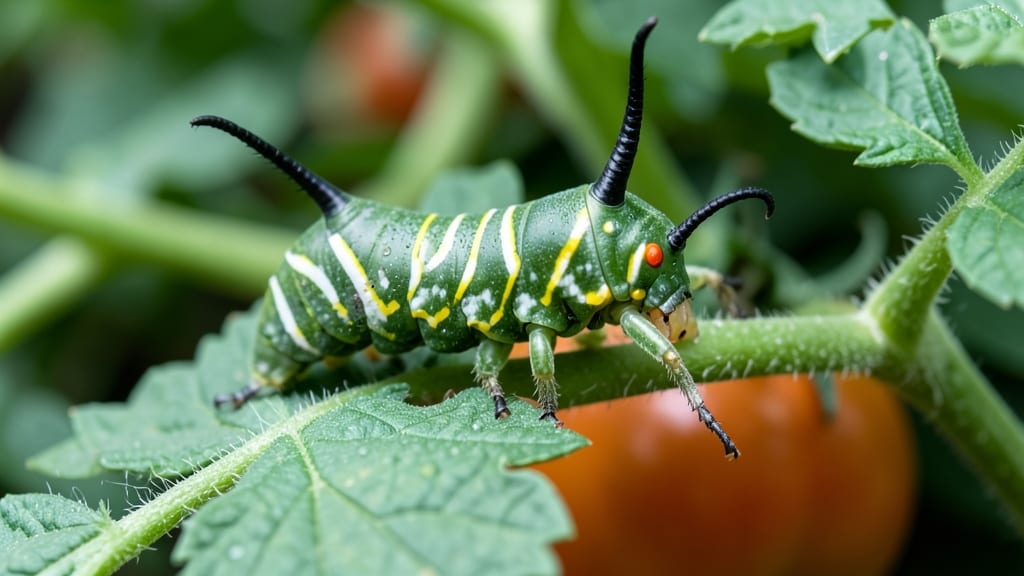
What insects eat tomato plants faster than you can say "sauce disaster"? 🌱 Hornworms, aphids, and whiteflies turn your lush foliage into a buffet—stripping leaves, sucking sap, and leaving behind a trail of damage that cuts yields.
The good news? Nature already has a pest control team on speed dial if you know who to call.
Hornworms are the heavy hitters—those 4-inch green caterpillars with white stripes devour leaves overnight, leaving behind skeletonized foliage. Aphids cluster on new growth, draining plants of energy and spreading viral diseases, while whiteflies flutter above leaves, coating them with sticky honeydew.
The damage isn’t just cosmetic; it stunts growth and reduces fruit production.
Here’s the game-changer: natural predators like ladybugs, lacewings, and parasitic wasps already patrol your garden. A single ladybug can eat 50+ aphids daily, and lacewing larvae hunt hornworms like tiny, winged ninjas.
Neem oil and companion plants (basil, marigolds) create a fortress, while pruning damaged leaves removes the all-you-can-eat sign for pests.
Intervene early—first signs of damage—and you’ll save your harvest without chemicals. The key is balance: support the good guys, disrupt the bad ones’ party, and your tomatoes will thrive instead of becoming a bug buffet. Let’s turn your garden into a fortress, not a fast-food joint.
Root Causes Behind Tomato Devourers
Tomato plants may look like a buffet to insects, but their attraction isn’t random—it’s rooted in science. Understanding why these pests target your plants is the first step to outsmarting them. Below, we break down the key reasons behind this plant-pest relationship, from chemical cues to environmental triggers.
Tomatoes emit a complex cocktail of volatile organic compounds (VOCs)—think of them as invisible scent signals—that act like a dinner bell for insects. These compounds, like methyl salicylate (the same chemical that gives wintergreen its scent), are released when:
- Leaves are damaged: Even minor tears or insect bites trigger a stress response, releasing more VOCs to attract predators (which, unfortunately, often includes pests like hornworms and aphids).
- Flowers bloom: Tomato blossoms produce jasmonic acid, a chemical that lures pollinators—but also pests like fruitworms and whiteflies that mistake the scent for a food source.
- Fruits ripen: Ripe tomatoes release ethylene gas, which softens the fruit and signals to insects like hornworms and stink bugs that it’s time to feed.
Pro tip: 💡 Prune damaged leaves promptly to reduce VOC emissions, and consider companion plants like basil (which masks tomato scents with its own strong aroma).
Insects are opportunists, and their activity peaks when environmental conditions align with their life cycles. For tomato plants, these triggers include:
| Season/Climate Factor | Pests Attracted | Why It Happens |
|---|---|---|
| Warm, humid summers | Hornworms, aphids, whiteflies | Heat accelerates tomato growth, making them more vulnerable. Humidity creates ideal breeding conditions for soft-bodied insects. |
| Cool springs/fall | Colorado potato beetles, flea beetles | Cooler temps slow tomato defenses, while pests seek out tender young shoots. |
| Drought stress | Stink bugs, spider mites | Water-stressed plants produce more sugars in leaves, making them sweeter (and more appealing) to pests. |
Actionable fix: 🌡️ Monitor weather forecasts and use row covers during pest outbreaks. Drip irrigation (instead of overhead watering) reduces humidity around plants.
Sometimes, the problem isn’t nature—it’s us. Poor gardening practices can inadvertently turn your tomato patch into a pest magnet:
- Over-fertilizing with nitrogen: Lush, soft foliage is a buffet for aphids and cabbage loopers. Too much nitrogen = more tender leaves = more snacks for pests.
- Ignoring weeds: Weeds like nightshade and purslane harbor pests (e.g., stink bugs) that later migrate to tomatoes.
- Monoculture planting: Growing only tomatoes creates a pest paradise—no natural predators or scent confusion. Pests thrive in uniform crops.
- Late pruning: Trimming too late in the season can expose tender new growth to fruitworms and hornworms just as they’re hungry.
Fix it: ✨ Rotate crops yearly, interplant with marigolds or nasturtiums, and fertilize with balanced NPK (e.g., 10-10-10) to avoid nitrogen overload.
By addressing these root causes—chemical cues, climate triggers, and gardening habits—you’ll disrupt the cycle that turns your tomatoes into an all-you-can-eat buffet. The next step? Learn which insects are actually helping your tomatoes (yes, some are on your side!).
Quick Fixes for Tomato Plant Pests
When insects start feasting on your tomato plants, acting fast is key to saving your harvest. Below are targeted solutions for common pests, organized by cause, along with prevention tips to keep your garden thriving. These methods are practical, eco-friendly, and easy to implement—no fancy tools required!
Problem: These voracious munchers strip leaves overnight, leaving your plants vulnerable.
How to Fix It:
- 🔥 Handpick them early (morning is best—they’re sluggish then!). Drop them into soapy water to prevent regrowth.
- 🍳 Use row covers (lightweight fabric) to block egg-laying moths before they hatch.
- 👨🍳 Set up pheromone traps (available at garden centers) to disrupt mating cycles.
💡 Prevention Tip: Plant basil or marigolds nearby—hornworms avoid these strong scents!
Problem: Tiny but destructive, these sap-suckers weaken plants and spread disease.
How to Fix It:
- 🥘 Blast them off with a strong stream of water (early morning works best).
- 🔪 Spray neem oil (1 tsp per quart of water) to suffocate eggs and adults. Reapply every 5–7 days.
- 🌡️ Introduce beneficial insects like ladybugs or lacewings—they love aphids!
💡 Prevention Tip: Dust plants with diatomaceous earth (food-grade only) to create a barrier mites can’t cross.
Problem: These flying pests cluster on undersides of leaves, stunting growth.
How to Fix It:
- 🎯 Hang yellow sticky traps near plants to catch adults mid-flight.
- ✨ Mix 1 tbsp dish soap + 1 quart water, spray directly on leaves (avoid blooms).
- 🌿 Prune heavily infested leaves and dispose of them in sealed bags.
💡 Prevention Tip: Space plants widely—whiteflies thrive in crowded, humid conditions.
Problem: These orange-and-black striped beetles devour leaves and fruit.
How to Fix It:
- 🍎 Plant trap crops (like potatoes or eggplants) away from tomatoes to lure them away.
- 🔪 Handpick adults and larvae, drop into soapy water.
- 🛡️ Cover young plants with floating row covers until beetles emerge in late spring.
💡 Prevention Tip: Rotate crops yearly—beetles overwinter in soil and return to the same spot.
Problem: These sneaky worms chew stems at soil level, toppling plants.
How to Fix It:
- 🛡️ Wrap stems with cardboard collars (bury 2 inches deep) to block their climb.
- 🔦 Shine a flashlight at night—cutworms hide on soil; pick them off by hand.
- 🌱 Loosen soil around plants to expose hiding worms to predators (birds, toads).
💡 Prevention Tip: Avoid overwatering—cutworms love damp soil.
Problem: These slimy pests leave behind chewed leaves and shiny trails.
How to Fix It:
- 🍺 Bury a shallow dish of beer near plants—slugs crawl in and drown.
- 🔄 Sprinkle crushed eggshells or coffee grounds around the base (they hate the texture).
- 🛡️ Install copper tape around pots—it gives them a mild electric shock.
💡 Prevention Tip: Water in the morning so soil dries faster, making it harder for slugs to slither.
Final Pro Tip: Inspect plants weekly—early action stops small problems from becoming big headaches! 🌱✨
Frequently asked questions
What are the most destructive tomato plant pests I should watch for?
The top culprits are hornworms (giant green caterpillars), aphids (tiny sap-suckers), and whiteflies (flying insects that cluster on undersides). These pests strip leaves, weaken plants, and reduce yields. Look for chewed foliage, sticky residue (honeydew), or visible insects during early morning inspections.
How do I tell if tomato damage is from insects or disease?
Insect damage usually leaves irregular holes or chewed edges, while disease causes yellowing, spots, or wilting without visible pests. Check leaf undersides for eggs or insects—if you find them, it's a pest problem. Diseases often appear as powdery mildew (white coating) or brown spots with no holes.
Are there any insects that actually help tomato plants?
Ladybugs devour aphids, lacewings hunt soft-bodied pests, and parasitic wasps target hornworms. Plant dill, fennel, or marigolds to attract these beneficial insects naturally. Even ground beetles patrol your garden at night, eating cutworms and slugs.
When is the best time to treat tomato pests?
Act immediately when you spot first signs of damage—don't wait for an infestation. Early morning is ideal for handpicking pests (they're sluggish) or applying sprays. For persistent problems, treat at dusk when beneficial insects are less active. Always follow up with prevention (neem oil, companion planting).
What's the safest way to remove pests without chemicals?
Start with physical removal: Handpick hornworms, wipe off aphids with soapy water, or shake whiteflies into a bucket of soapy water. For larger areas, use neem oil (1 tsp per quart of water) or garlic spray (blended garlic + water). Introduce beneficial nematodes for soil-dwelling pests like cutworms.