
How To
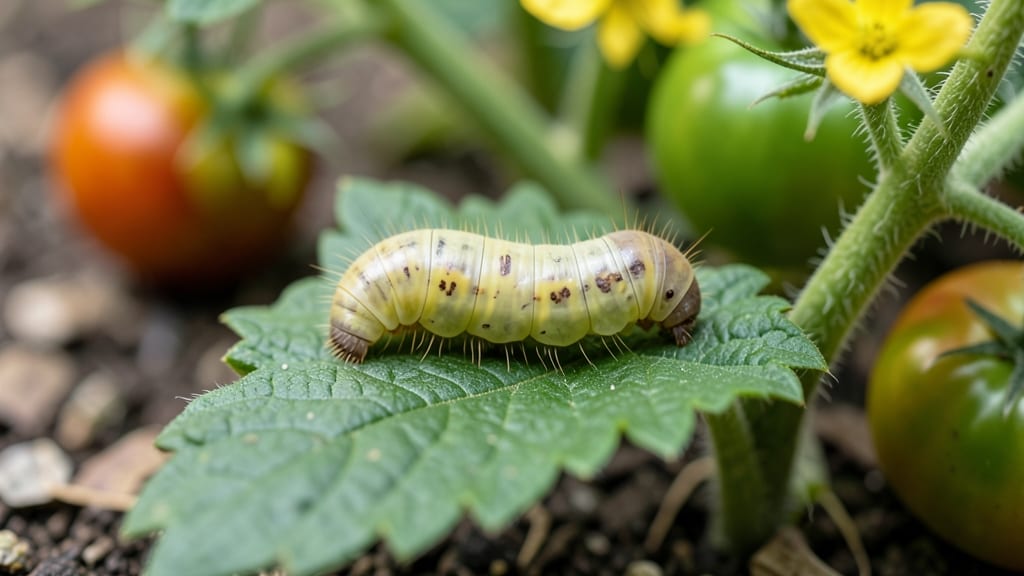
Finding tomato worms before they devour your plants saves your harvest—and your sanity. 🌱 These striped caterpillars hide better than they look, but I’ve spotted them early every time by checking the right spots first.
Start by inspecting the undersides of leaves and new growth tips, where they camouflage as green stems. Look for black droppings (frass) or chewed leaves with ragged edges—classic hornworm telltales. They’re often 2-4 inches long with white diagonal stripes and a horn-like tail.
Once you find them, drop them in soapy water (no chemicals needed) or relocate them to a nearby garden with milkweed—their favorite snack. A quick daily check during peak season (June–August) keeps your plants thriving.
Prevention is easier than cleanup: plant basil nearby (hornworms hate it), encourage lacewings and parasitic wasps, and handpick eggs (tiny yellow ovals on leaves). Your tomatoes will thank you!
Root Causes of Tomato Worm Infestations
Tomato worms—those pesky, green caterpillars that turn your lush tomato plants into a buffet—don’t just appear out of nowhere. Their presence is usually a sign of underlying conditions that create the perfect environment for these pests to thrive.
Understanding why they show up in the first place is the first step toward preventing them. Let’s break down the key factors that invite tomato worms into your garden.
Tomato worms, primarily the larvae of the hornworm (Manduca sexta) or tomato fruitworm (Helicoverpa zea), are drawn to plants that are already struggling. When tomato plants are overcrowded, they compete fiercely for sunlight, water, and nutrients.
This stress makes them more vulnerable to attacks because: - Weakened defenses: Stressed plants produce fewer natural repellents (like certain alkaloids) that deter pests. - Softer leaves: Underfed plants develop tender, nutrient-rich foliage that’s irresistible to hungry caterpillars. - Slower recovery: If a few leaves are eaten, the plant can’t bounce back quickly, encouraging worms to linger.
Actionable fix: Space your tomato plants 18–24 inches apart (for indeterminate varieties) or 12–18 inches apart (for determinate ones). Prune lower leaves to improve airflow and reduce humidity, which also deters pests.
Tomato worms have a strong preference for ripe or nearly ripe fruit. Their lifecycle is timed to coincide with the peak tomato-growing season (late summer to early fall in most climates).
Here’s why they target ripe tomatoes: - Sugar and moisture: Ripe tomatoes are packed with sugars and water, making them a high-energy food source for growing larvae. - Soft skin: The skin of ripe tomatoes is easier for worms to penetrate, giving them direct access to the flesh. - Attractant pheromones: Some studies suggest that ripe tomatoes emit volatile compounds that attract adult moths, which then lay eggs on or near the fruit.
Actionable fix:
- Harvest tomatoes promptly as they ripen to remove the incentive for worms.
- Use row covers (fine netting) during the egg-laying season (typically late spring to early summer) to block adult moths.
- Plant trap crops like basil or marigolds nearby—these can distract moths from your tomatoes.
Tomato worms and their adult moth counterparts thrive in messy, debris-heavy gardens. Here’s how clutter invites them in: - Hiding spots for eggs: Adult moths lay eggs on the undersides of leaves, stems, or even garden debris like old plant matter, mulch, or weeds.
A tidy garden eliminates these cozy egg-laying sites. - Overwintering sites: Some tomato worm species (like the tomato fruitworm) can survive in garden debris over winter, emerging in spring to start a new cycle. - Alternative food sources: Weeds and volunteer plants (like nightshade or other solanaceous weeds) provide a backup meal if your tomatoes aren’t available.
Actionable fix:
- Clear garden debris at the end of each season, including old plant stalks, fallen leaves, and weeds.
- Rotate crops annually to disrupt the worm’s lifecycle—avoid planting tomatoes (or other nightshades like peppers and eggplants) in the same spot every year.
- Mulch strategically: Use clean, organic mulch (like straw) but keep it 3–4 inches away from the base of plants to discourage moisture-loving pests.
In a healthy garden ecosystem, tomato worms have natural enemies that keep their populations in check. When these predators are missing or outnumbered, worm infestations explode.
Common predators include: - Parasitic wasps (like Cotesia congregata), which lay eggs inside hornworm larvae, eventually killing them. - Birds (such as robins and sparrows), which snack on caterpillars. - Ladybugs and lacewings, which prey on smaller larvae. - Ground beetles, which hunt eggs and young worms.
Why the imbalance happens:
- Pesticide use: Broad-spectrum chemical pesticides kill both pests and their natural predators, creating a vacuum that worms rush to fill.
- Monoculture gardening: Planting large blocks of the same crop (like rows of tomatoes) provides too much food for worms while offering fewer hiding spots for predators.
- Urban/suburban gardens: These areas often lack the biodiversity of wild ecosystems, reducing predator populations.
Actionable fix:
- Avoid chemical pesticides—opt for organic sprays (like neem oil or Bacillus thuringiensis, or BT) that target worms without harming beneficial insects.
- Plant companion plants that attract predators, such as dill, fennel, or cilantro (for parasitic wasps) or alyssum (for ladybugs).
- Create habitat diversity: Add native flowers, shrubs, and ground cover to support a wider range of predators.
Tomato worms love warm, humid environments because:
- Faster development: Higher temperatures (above 75°F) speed up their growth cycle, allowing them to mature and reproduce quicker.
- Moisture retention: Humid conditions keep eggs and young larvae hydrated, improving their survival rates.
- Softer plant tissue: Warmth and humidity can make tomato leaves and fruit more tender, making them easier for worms to chew through.
Actionable fix:
- Improve airflow by pruning plants and spacing them properly (as mentioned earlier).
- Water in the morning to reduce evening humidity, which can attract moths.
- Choose heat-tolerant tomato varieties (like ‘Heatmaster’ or ‘Solar Fire’) if you’re in a hot climate—they’re less stressed and thus less appealing to pests.
If you plant tomatoes before the last frost date in your area, the resulting plants may be stunted, weak, or slow-growing. This stress makes them an easy target for worms.
Additionally: - Cold-stressed plants produce fewer defensive compounds. - Slow growth means more time for worms to find and infest them before the plant can recover. - Early-season moths may already be active, increasing the chances of egg-laying on young plants.
Actionable fix:
- Follow your local frost dates and wait until the soil is consistently 60°F+ before transplanting seedlings.
- Use black plastic mulch to warm the soil faster and give plants a head start.
- Start seeds indoors 6–8 weeks before the last frost for stronger, healthier transplants.
Quick Fixes for Tomato Worm Woes
Tomato worms—those pesky green caterpillars—can turn your lush tomato plants into a buffet overnight. But don’t panic! With the right approach, you can spot, remove, and prevent them before they wreak havoc. Below, we’ve mapped out practical, organic solutions tailored to the most common causes of tomato worm infestations.
Cause: Young tomato worms (hornworms or beet armyworms) start by munching on leaves before moving to fruit.
Fix:
- Handpick them early 👨🍳—Check plants in the early morning or evening when worms are sluggish. Drop them into soapy water to kill them instantly.
- Use a flashlight at night 🔦—Tomato worms are nocturnal and glow faintly under UV light (like a blacklight). Shine one on plants after dark to spot hidden culprits.
- Set up a trap 🌿—Place a yellow sticky trap near plants to lure adult moths away before they lay eggs.
Prevention Tip: 💡 Encourage natural predators like birds, parasitic wasps, and praying mantises by planting dill, fennel, or marigolds nearby.
Cause: Mature hornworms or beet armyworms have moved on to your fruit, leaving behind black frass (droppings) and half-eaten tomatoes.
Fix:
- Inspect fruit daily 🍅—Flip leaves and check undersides of tomatoes for worms. A quick 10-minute scan can save your harvest.
- Use neem oil spray 🌿—Mix 1 tsp neem oil + 1 tsp mild soap + 1 quart water, spray every 3-5 days to deter egg-laying and repel worms.
- Try diatomaceous earth (DE) ⏳—Sprinkle food-grade DE around the base of plants (avoid direct contact with leaves). It dehydrates worms but is safe for humans and pets once dry.
Prevention Tip: 🌡️ Rotate crops—If you’ve had tomato worms before, avoid planting tomatoes in the same spot for at least 3 years to break the pest cycle.
Cause: A large colony of worms has taken over, and handpicking isn’t enough.
Fix:
- Introduce beneficial nematodes 🐛—Order Heterorhabditis bacteriophora (a microscopic worm that kills tomato worms). Mix with water and apply to soil in the evening.
- Use BT (Bacillus thuringiensis) 🧪—This organic bacteria is harmless to humans but deadly to caterpillars. Spray every 7-10 days during active infestations.
- Cover plants with row fabric 🛡️—If all else fails, lightweight floating row covers (like Agribon) will block moths from laying eggs while still allowing sunlight and water.
Prevention Tip: ✨ Plant trap crops—Grow basil or sweet alyssum near tomatoes to distract pests away from your main harvest.
Cause: You don’t want to deal with tomato worms next season—proactive steps now save time later.
Fix:
- Remove plant debris 🧹—Clean up fallen leaves and old plants in autumn to eliminate overwintering eggs.
- Interplant with herbs 🌿—Basil, thyme, and oregano repel tomato moths naturally.
- Encourage ladybugs & lacewings 🐞—These eat tomato worm eggs. Plant dandelions or clover to attract them.
Pro Tip: 🎯 Monitor weekly—Check plants every 3-4 days during peak season (June-August) for early signs of eggs (tiny white clusters on undersides of leaves).
Remember: The key is early action. A few minutes of daily checks can mean the difference between a bountiful harvest and a worm-infested disaster. 🚀
Frequently asked questions
What time of day is best to spot tomato worms?
Early morning or late evening is ideal! Worms are sluggish then, making them easier to spot on leaves. Check undersides of leaves and near new growth where they camouflage best. A flashlight at night can also help—some worms glow faintly under UV light!
How do I tell if those black droppings are from tomato worms?
Look for black, grainy frass (droppings) near chewed leaves or fruit. These worms leave behind telltale signs: ragged leaf edges and tiny holes in tomatoes. If you see both, you’ve found your culprit—act fast to remove them!
Can I use soapy water on tomato worms without harming my plants?
Yes! Mix 1 tablespoon mild dish soap with 1 gallon water and drop worms in immediately. The soap kills them instantly while being safe for plants when used as directed. Just avoid spraying it directly on leaves or fruit.
What should I do if I find tomato worm eggs on my plants?
Scrape them off with your fingernail or a soft brush and drop them in soapy water. Eggs are tiny (white/yellow clusters) and usually found on undersides of leaves. Check daily during peak season (June-August) to prevent hatching!
Will tomato worms come back next year if I had them this season?
Possibly! They often overwinter in garden debris. To prevent recurrence: clean up all plant material in fall, rotate crops (don’t plant tomatoes in the same spot), and plant basil or marigolds nearby to repel moths.