
How To
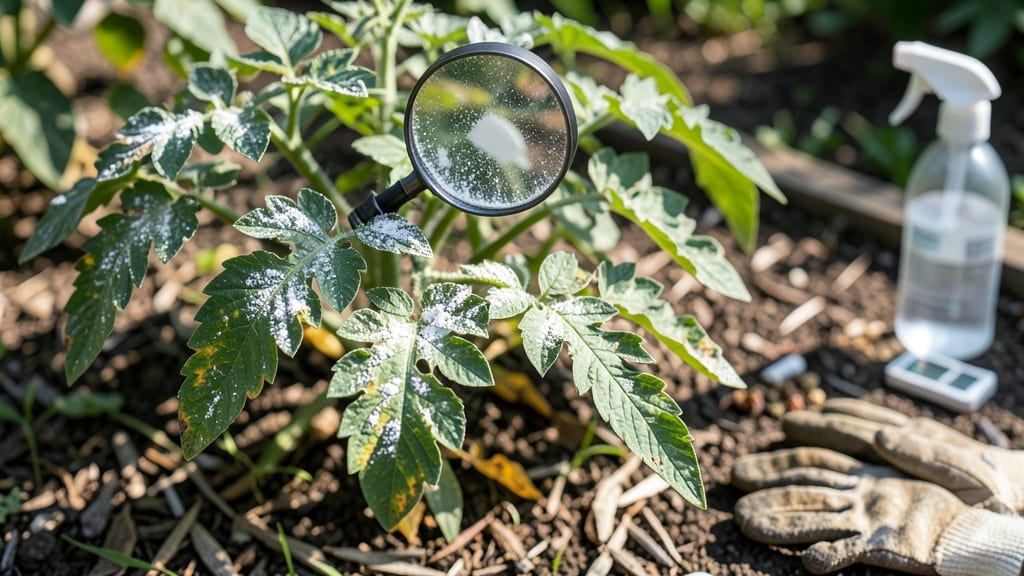
When your tomato leaves turn white, it’s not just a cosmetic issue—it’s a cry for help from your plants. 🌱 I’ve seen this happen more than once, and the good news is that most cases are fixable with the right diagnosis and quick action.
The key is identifying whether it’s fungal, nutrient-related, or environmental stress before the problem spreads.
Chlorosis (that white or pale yellow between veins) often starts with powdery mildew or nutrient deficiencies like iron or magnesium. Environmental factors like poor air circulation or overwatering can also trigger it.
The first step is checking the undersides of leaves for fungal spots or sticky residue from pests—this tells you exactly what’s wrong.
Within minutes, you can start treating it: prune affected leaves, improve airflow, and apply a mix of baking soda or neem oil for fungal issues. For nutrient deficiencies, a chelated iron spray works wonders. The goal is to stop the spread and restore those deep green leaves you love seeing.
This fix works for both container and in-ground tomatoes, and you’ll see improvement within a week if you catch it early. The secret is acting fast—don’t let that white take over your plants!
Root Causes Behind Pale Tomato Foliage
When your tomato plant’s leaves start turning a ghostly white, it’s usually a cry for help from the roots—or a sign of unseen stress. Understanding the why behind this discoloration is the first step to saving your harvest.
Below, we break down the most common culprits, backed by science, so you can diagnose the issue fast and act with confidence.
A white or pale wash on tomato leaves is often a classic sign of chlorosis, where the plant can’t produce enough chlorophyll due to a lack of essential nutrients. The most likely suspects?
- Iron deficiency (most common): Iron is critical for chlorophyll production, and tomatoes need it in chelated form (a plant-available version) to thrive. White or yellowing between leaf veins (while veins stay green) is a dead giveaway. This often happens in alkaline soils (pH 7.5+), where iron binds tightly to soil particles and becomes inaccessible. Fun fact: Tomatoes are heavy feeders and can deplete soil iron in just a few weeks!
- Magnesium or nitrogen shortages: While less common than iron issues, these deficiencies can also cause pale leaves. Magnesium deficiency (often in older leaves) leads to white patches or streaks, while nitrogen starvation results in overall weak, pale growth. Think of it like your plant is running on fumes.
- Zinc or manganese gaps: These trace minerals act as co-factors in chlorophyll synthesis. A deficiency might show as white or yellow speckling, especially on younger leaves. Zinc deficiency can even cause stunted growth and distorted leaves.
💡 Pro Tip: Conduct a simple soil pH test—if it’s above 7.0, amend with sulfur or chelated iron (like iron sulfate or EDTA-iron) to boost availability. For container growers, switch to an acidic potting mix (pH 6.0–6.8) and fertilize with a balanced liquid feed (like 10-10-10) every 2 weeks.
Water stress—whether from drought or soggy roots—can trigger white or pale leaves by disrupting nutrient uptake and causing oxidative damage. Here’s how:
- Overwatering (root rot + oxygen deprivation): When soil stays waterlogged, roots suffocate and can’t absorb nutrients efficiently. This leads to anaerobic conditions, where beneficial microbes die off, and toxic compounds like manganese (which should be locked away) flood the plant. Result? White, wilted leaves and stunted growth.
- Underwatering (nutrient transport breakdown): Tomatoes have deep roots and need 1–1.5 inches of water per week. Skimp on H₂O, and the plant prioritizes survival over fruit production, causing leaves to turn pale or crispy at the edges. Chronic drought also stresses the plant’s xylem vessels, which transport water and nutrients—think of it as a clogged pipeline.
- Improper watering techniques: Sprinkling leaves (especially in hot sun) can cause leaf scorch, where water droplets act like tiny magnifying glasses, burning foliage and creating white or bleached patches. Always water at the base of the plant.
🔥 Fix It Fast:
- For overwatering: Let soil dry out slightly between waterings, and improve drainage with perlite or sand in pots. If root rot is suspected, trim affected roots and repot in fresh, sterile soil.
- For underwatering: Deep-water your tomatoes slowly (10–15 minutes per session) to encourage deep root growth. Mulch with straw to retain moisture.
Not all white leaves are nutrient-related—some are caused by parasites or fungal infections that disrupt the plant’s ability to photosynthesize. Watch for these sneaky invaders:
- Spider mites (tiny but destructive): These arachnids suck sap from leaves, causing white stippling (tiny white dots) or webbing. They thrive in dry, hot conditions and can spread rapidly. Heavy infestations turn leaves entirely white or grayish as they dry out.
- Whiteflies (sap-sucking pests): Clusters of these small, white insects on the underside of leaves excrete honeydew, a sticky substance that fosters sooty mold—a black fungus that blocks sunlight. Leaves may appear pale or covered in a white, waxy residue.
- Powdery mildew (fungal infection): This white, powdery coating isn’t just unsightly—it smothers leaves, preventing photosynthesis. It loves humid, shaded conditions and can spread like wildfire if left unchecked. Unlike nutrient issues, powdery mildew often starts on upper leaves and spreads downward.
- Viral infections (e.g., Tomato Mosaic Virus): Some viruses cause white mottling or streaking on leaves, stunted growth, and distorted foliage. These are often spread by aphids or contaminated tools. Unfortunately, there’s no cure—only prevention (remove infected plants immediately!).
🛡️ Defense Plan:
- For pests: Blast leaves with a strong stream of water to dislodge mites/flies, then apply neem oil or insecticidal soap (repeat every 5–7 days). Introduce beneficial predators like ladybugs or lacewings.
- For powdery mildew: Improve airflow with pruning and space plants 18–24 inches apart. Spray with a baking soda mix (1 tsp baking soda + 1 quart water + a drop of dish soap) weekly. Copper fungicides can also help.
Sometimes, the problem isn’t what’s missing from your tomatoes—it’s what’s too much or out of balance in their environment.
- Excessive sunlight or heat stress: While tomatoes love sun, intense afternoon heat (above 90°F) can cause leaf bleaching or white tips. High light levels also increase transpiration, leading to water loss and pale, crispy edges.
- Salt or chemical buildup: Over-fertilizing (especially with synthetic salts) or using municipal tap water high in chlorine/fluoride can cause fertilizer burn. Symptoms include white crust on soil, pale leaves, and stunted growth. Flush the soil with plain water to dilute salts.
- Aluminum or boron toxicity: In acidic soils (pH < 5.5), aluminum becomes soluble and toxic to plants, causing white or yellowed leaves. Boron toxicity (from overuse of boron supplements) leads to white, necrotic spots on leaf edges.
🌡️ Quick Adjustments:
- Provide afternoon shade
Quick Fixes for Pale Tomato Leaves
Now that you know what’s causing those ghostly white tomato leaves, let’s roll up our sleeves and bring them back to life! 🌱 The right approach depends on the root issue—whether it’s a nutrient deficiency, pest attack, or fungal trouble.
Below, we’ve broken down simple, actionable steps to restore your plants, plus prevention tips to keep them thriving long-term.
If your tomato leaves are turning white or pale due to a lack of magnesium, nitrogen, or iron, here’s how to correct it fast:
🍳 Step 1: Test Your Soil (Quick & Easy) Before grabbing random fertilizers, check if the problem is truly nutrient-related: - DIY pH test: Use a soil pH kit (available at garden centers) or a cheap digital tester. Tomatoes thrive in slightly acidic soil (pH 6.0–6.8).
If your soil is too alkaline (high pH), nutrients like iron and manganese become unavailable, even if they’re present. - Leaf check: Look for interveinal yellowing (white veins with pale spaces between) for magnesium deficiency or uniform pale green for nitrogen issues.
👨🍳 Step 2: Apply the Right Fix
Issue Solution How to Apply Magnesium Deficiency Epsom salt (magnesium sulfate) – 1 tbsp per gallon of water. Spray on leaves or water at the base. Repeat every 2 weeks. Nitrogen Deficiency Balanced fertilizer (10-10-10 or 5-5-5) or compost/manure tea. Mix 1 tbsp fertilizer per gallon of water; water plants at the base. Iron Deficiency Iron chelate or liquid iron supplement (avoid regular iron—it clogs soil). Follow label instructions; water soil directly. High pH (Alkaline Soil) Sulfur or peat moss to lower pH. Mix 1 lb of elemental sulfur per 10 sq ft of soil and water thoroughly. 🌡️ Pro Tip: - Foliar feeding (spraying nutrients directly on leaves) works faster for deficiencies.
Mix 1 tsp Epsom salt + 1 tsp liquid seaweed extract in a gallon of water and spray in the early morning or evening to avoid leaf burn. - Prevention: Add compost or well-rotted manure to your soil before planting to maintain nutrient balance.
If tiny pests are sucking the life out of your tomatoes, act fast—they multiply quickly!
🔪 Step 1: Identify the Culprit
- Whiteflies: Tiny white moths that flutter when you disturb the plant.
- Spider mites: Tiny yellow or red dots on leaves, often with fine webbing.
- Aphids: Small green/black bugs clustered on new growth.
⏰ Step 2: Eliminate Them Naturally
Pest Solution How to Apply Whiteflies Neem oil spray or soapy water (1 tsp dish soap + 1 quart water). Spray directly on undersides of leaves where they hide. Repeat every 5–7 days. Spider Mites Water blast (forceful spray) or horticultural oil. Spray plants thoroughly in the morning; mites hate humidity. Aphids Ladybugs (natural predators) or rubbing alcohol spray (1:1 with water). Spray alcohol mix on infested areas; release ladybugs near plants. 💡 Pro Tip:
- Prevention:
- Sticky traps (yellow cards coated with petroleum jelly) catch whiteflies before they multiply.
- Encourage beneficial insects like ladybugs and lacewings by planting marigolds or basil nearby.
- Inspect new plants before bringing them indoors or into your garden.
If white fuzzy spots (powdery mildew) or dark lesions (early blight) are causing leaf discoloration, tackle them with these organic solutions:
🍳 Step 1: Remove Infected Leaves
- Prune any leaves with white powder or dark spots immediately using clean, sharp scissors. Dispose of them in the trash (not compost).
👨🍳 Step 2: Apply Fungicide
Issue Solution How to Apply Powdery Mildew Baking soda spray (1 tsp baking soda + 1 tsp dish soap + 1 quart water) or neem oil. Spray until leaves are wet; repeat every 7–10 days. Early Blight Copper fungicide or milk spray (1 part milk to 9 parts water). Apply in the evening to avoid leaf burn; rotate with copper every 2 weeks. 🌡️ Pro Tip:
- Prevention:
- Water at the base (never overhead) to keep leaves dry.
- Space plants properly for airflow (tomatoes need 18–24 inches apart).
- Rotate crops yearly to prevent soil-borne diseases from building up.
If your tomatoes are wilting, drooping, or just looking sad, try these instant pick-me-ups:
- Prune damaged leaves to redirect energy to healthy growth.
- Mulch around the base with straw or grass clippings to retain moisture.
- Give them shade for a few days if they’re sunburned (white scorch marks on leaves).
- Repot if root-bound (check for roots circling the bottom of the pot).
Remember: Consistency is key! Check your plants daily for early signs of trouble, and act fast—tomatoes are resilient but need your help to bounce back. 🚀 With these fixes, your once-pale leaves will be lush and green in no time!
Frequently asked questions
1Why do tomato leaves turn white in patches but not all over?
Patchy white leaves usually indicate a localized issue like fungal infection (powdery mildew) or pest damage (spider mites). Fungal spots start as white powdery patches on upper leaves, while mites create tiny white stippling. Check leaf undersides for webbing or tiny bugs—this confirms the culprit.
2Can I save my tomato plant if most leaves are turning white?
Yes, but act fast! Prune affected leaves immediately to stop nutrient drain, then treat the root cause. For nutrient issues, apply chelated iron or Epsom salt. For pests/fungus, use neem oil or baking soda spray. Remove severely damaged leaves to redirect energy to healthy growth.
3Will white tomato leaves affect fruit production?
Absolutely—white leaves can't photosynthesize properly, starving your plant of energy needed for fruit development. Severe cases may reduce yields or cause blossom end rot. Fix the issue within 3-5 days to prevent lasting damage. Healthy leaves = better tomatoes!
4How do I tell if white leaves are from overwatering vs. nutrient deficiency?
Overwatered plants show yellowing between veins + wilting, while nutrient deficiencies cause white/yellowing between veins but veins stay green. Check soil moisture—if it's soggy, you're overwatering. For nutrients, test soil pH (alkaline soil blocks iron uptake).
5Can I use household items to fix white tomato leaves?
Yes! For fungal issues, mix 1 tsp baking soda + 1 tsp dish soap in 1 quart water and spray leaves. For pests, try soapy water spray (1 tsp soap per quart) or rubbing alcohol spray (1:1 with water). Always test on a small leaf first.