
Planting
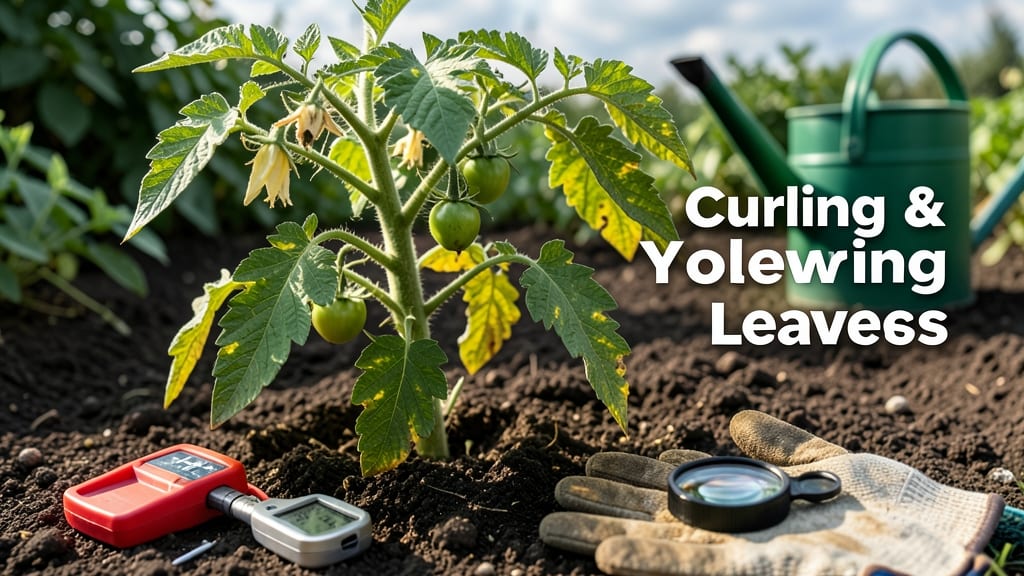
My tomato plants threw a red flag this summer—leaves curling and yellowing like they’d been sunburned overnight. 🌱 The culprit could be viral disease, nutrient deficiency, or even something as simple as overwatering, and the fix depends on getting to the root of the problem fast.
I’ve seen this happen after a late frost, from over-fertilizing, or when pests like spider mites go unnoticed. The key is checking the undersides of leaves for tiny webs or spots, and testing the soil moisture—dry or soggy soil both stress plants.
A quick soil test kit (under $20) reveals if magnesium, potassium, or nitrogen levels are off. By the end of this, you’ll know whether to prune damaged foliage, adjust your watering schedule, or even replace the soil. The goal? Healthy green leaves and tomatoes that taste like summer, not disappointment.
Let’s diagnose this step by step.
First, rule out the obvious: overwatering. If the soil stays soggy for days, roots suffocate and leaves yellow—especially the lower ones. Stick your finger an inch deep; if it’s damp, hold off on watering. Drainage issues? Add a handful of perlite or compost to improve airflow.
Next, check for pests. Spider mites leave yellow stippling and tiny webs, while aphids cluster on new growth. A strong spray of water (or neem oil for stubborn infestations) can save your plants before the damage spreads. Prevention tip: Mulch around plants to deter pests and retain moisture.
If the problem persists, it’s time to test your soil. Yellowing between leaf veins often signals magnesium deficiency—fix it with Epsom salt (1 tablespoon per gallon of water, applied every 2 weeks). For nitrogen issues, a balanced organic fertilizer (like 10-10-10) works wonders.
The real game-changer? Consistency. Tomato plants hate surprises—whether it’s sudden heat, inconsistent water, or poor soil. Once you spot the pattern, you’ll catch problems early and keep your harvest thriving.
Root Causes Behind Leaf Stress
When your tomato plant’s leaves start curling and yellowing, it’s rarely a random act of nature—it’s a cry for help from your plant. 🌱💨 Understanding the root causes (literally and figuratively) is the first step to saving your harvest.
Below, we break down the most common culprits, from environmental stressors to hidden pests, with clear explanations of why they trigger these symptoms.
Tomatoes are thirsty plants, but too much water—especially when drainage is poor—can drown their roots. Here’s the science:
- Root suffocation: Excess moisture cuts off oxygen to roots, causing anaerobic conditions. Roots struggle to absorb nutrients, leading to yellowing (chlorosis) as chlorophyll breaks down.
- Fungal infections: Waterlogged soil invites Phytophthora and Pythium, pathogens that rot roots and block nutrient uptake. Curling leaves often follow as the plant conserves energy.
- Actionable fix: Test soil moisture by sticking your finger 2 inches deep—water only if dry. Amend heavy clay soil with perlite or compost to improve aeration.
A tomato plant’s leaves act like a nutrient report card. Yellowing and curling often signal deficiencies or toxicities:
| Symptom Location | Likely Culprit | Why It Happens |
|---|---|---|
| Older leaves yellowing first | Nitrogen (N) deficiency | Nitrogen fuels chlorophyll production. Without it, leaves lose their green pigment and curl inward to reduce water loss. |
| New leaves curling, yellowing veins | Magnesium (Mg) or Potassium (K) deficiency | Magnesium is central to chlorophyll; potassium regulates water and enzyme function. Deficiencies disrupt cellular processes, causing marginal scorch and curling. |
| Yellowing with brown spots | Over-fertilization (burn) | Excess salts from synthetic fertilizers bind water in soil, preventing roots from absorbing nutrients. Leaves curl to minimize transpiration. |
Pro tip: 💡 Conduct a soil test to diagnose imbalances. For quick fixes, use compost tea or balanced organic fertilizer (e.g., 5-5-5 NPK).
If the issue spreads rapidly or you spot unusual patterns, pathogens may be to blame. Here’s how to spot them:
- Tobacco Mosaic Virus (TMV):
- Curling + mosaic yellow/green patterns on leaves.
- Why? TMV attacks mesophyll cells, disrupting photosynthesis and causing leaves to curl upward to protect damaged tissue.
- Spreads via contaminated tools or sap (e.g., touching infected plants).
- Early Blight (Alternaria solani):
- Yellowing leaves with concentric brown spots (like bullseyes).
- Why? The fungus clogs stomata (leaf pores), reducing gas exchange and causing curling as the plant tries to limit infection.
Action: 🔥 Remove infected leaves immediately and sterilize pruners with rubbing alcohol. For TMV, quarantine the plant—there’s no cure. For blight, apply copper fungicide and improve airflow.
Sap-sucking pests like spider mites and aphids inject toxins that trigger curling and yellowing:
- Spider Mites:
- Leaves curl downward with fine webbing.
- Why? Mites pierce cells to feed, injecting saliva that disrupts chloroplast function, leading to yellowing.
- Aphids:
- New growth curls upward with sticky residue (honeydew).
- Why? Aphids excrete honeydew, which blocks sunlight and fosters sooty mold, further stressing the plant.
Fix: 🌡️ Blast pests off with water or use neem oil (1 tsp per quart of water). Introduce ladybugs for natural control.
Tomatoes are sensitive to extreme conditions. Sudden changes can shock their systems:
- Heat Stress:
- Leaves curl upward to reduce surface area and limit water loss.
- Why? High temperatures (>90°F) denature enzymes involved in photosynthesis, causing chlorophyll degradation.
- Wind or Hail Damage:
- Irregular curling or tattered edges.
- Why? Physical damage triggers abscisic acid production, a stress hormone that causes leaves to curl protectively.
- Solution: 🎯 Provide shade cloth during heatwaves and windbreaks (e.g., burlap screens). Mulch to regulate soil temperature.
Quick Fixes for Wilted Tomato Foliage
Reviving your tomato plant’s drooping, yellowing leaves starts with identifying the root cause—whether it’s a nutrient deficiency, pest attack, or viral infection. Below, we break down practical, step-by-step solutions tailored to the most common culprits, plus prevention tips to keep your plants thriving.
Let’s turn those sad leaves into lush, productive greenery!
If your tomato leaves are curling and yellowing due to poor soil health, a targeted nutrient boost can work wonders.
🔥 Step 1: Test Your Soil (Skip If Unsure)
Before adding amendments, grab a soil test kit (available at garden centers for ~$15) or send a sample to your local cooperative extension office. This tells you exactly what’s missing—nitrogen, potassium, magnesium, or iron.
🍳 Step 2: Apply Organic Amendments
| Deficiency | Solution | How to Apply |
|---|---|---|
| Nitrogen (Pale Yellow Leaves) | Compost, well-rotted manure, or blood meal (1 tbsp per plant) | Work into top 2 inches of soil or sprinkle around roots, then water deeply. |
| Potassium (Yellow Edges) | Banana peels, wood ash, or greensand (1 cup per plant) | Bury banana peels near roots or mix ash into soil (avoid overuse—test first!). |
| Magnesium (Yellow Between Veins) | Epsom salt (1 tbsp per gallon of water) or dolomitic lime | Spray foliar solution on leaves or mix into soil. |
| Iron (Yellow New Growth) | Chelated iron supplement or iron sulfate | Apply as a soil drench or foliar spray every 2 weeks. |
👨🍳 Step 3: Fertilize Smartly
- For container tomatoes: Use a balanced liquid fertilizer (like 10-10-10) every 2–3 weeks during growing season.
- For in-ground plants: Top-dress with compost tea or a slow-release organic fertilizer (like worm castings) in early spring.
- Pro Tip 💡: Avoid over-fertilizing!
Burnt leaves (brown tips) mean too much salt. Water thoroughly after applying any amendments.
If pests or pathogens are to blame, act fast to prevent spread.
🔪 Step 1: Remove Infested Parts
- For aphids/spider mites: Spray leaves with a soapy water solution (1 tsp mild dish soap + 1 quart water) or neem oil (1 tbsp per gallon).
Repeat every 5–7 days. - For whiteflies: Use yellow sticky traps or a pyrethrin spray (organic insecticide). - For fungal issues (early blight, septoria): Prune all infected leaves and dispose of them in the trash (not compost). Sterilize pruners with rubbing alcohol.
⏰ Step 2: Adjust Watering Habits
- Overwatering? Let soil dry slightly between waterings.
Use drip irrigation to keep leaves dry and reduce fungal spores. - Underwatering? Water deeply 1–2 inches per week (check with your finger—top inch should be dry). - Pro Tip 🌡️: Water in the early morning to allow foliage to dry quickly, deterring fungal growth.
🛡️ Step 3: Strengthen Plant Immunity
- Companion plants: Interplant with basil, marigolds, or nasturtiums to repel pests naturally.
- Copper fungicide: Spray preventatively every 2 weeks if your area is prone to blight.
- Mulch: Apply 2–3 inches of straw or grass clippings to retain moisture and block spores.
If your tomato plant has a viral infection (like tomato mosaic virus), there’s no cure—but you can contain it.
🚫 Step 1: Quarantine Immediately
- Remove the infected plant (roots and all) and bag it for disposal.
- Sterilize tools with bleach (1 part bleach to 9 parts water) to avoid spreading viruses to healthy plants.
🌱 Step 2: Prevent Future Outbreaks
- Buy certified disease-free seedlings from reputable nurseries.
- Rotate crops: Don’t plant tomatoes (or nightshades like peppers/eggplants) in the same spot for 3–4 years.
- Control insect vectors: Use row covers early in the season to block aphids, which spread viruses.
- Pro Tip ✨: Heat tolerance matters! Some tomato varieties (like ‘Heatmaster’ or ‘Solar Fire’) resist viral spread better in hot climates.
Once your plant recovers, prevent relapse with these habits:
- Prune regularly: Remove lower leaves touching soil to improve airflow.
- Monitor daily: Check undersides of leaves for pests every 2–3 days during warm weather.
- Boost soil health yearly: Add compost or aged manure in early spring to replenish nutrients.
- Choose resistant varieties: Opt for disease-resistant tomatoes (look for labels like “VFN” for virus/fungal/nematode resistance).
Remember: Patience is key! Some nutrient fixes take 1–2 weeks to show results, while pest/disease recovery may require consistent action. With the right care, your tomato plant will bounce back—and you’ll be feasting on juicy, homegrown tomatoes in no time! 🍅🔥
Frequently asked questions
Why do tomato leaves curl upward but stay green?
Upward curling with green leaves usually signals heat stress or water deficiency. Tomatoes curl leaves to reduce surface area and limit water loss during hot days or when soil dries out too quickly. Check soil moisture by sticking your finger 2 inches deep—water if dry. Mulching helps retain moisture and regulate temperature.
Can overwatering cause yellowing leaves with curling?
Overwatering leads to root suffocation and nutrient starvation. When roots can't breathe, they struggle to absorb water and nutrients, causing yellowing. Curling often follows as the plant tries to conserve energy. Let soil dry slightly between waterings and improve drainage with perlite or compost.
What's the difference between spider mite damage and nutrient deficiency?
Spider mites cause downward curling with tiny webs on leaf undersides, while deficiencies (like magnesium) show as yellowing between veins with upward curling. Check for webs or tiny moving dots with a magnifying glass. Neem oil treats mites, while Epsom salt fixes magnesium deficiency.
Will pruning yellow leaves help my tomato plant?
Yes, but only if the yellowing is from disease or pests. Remove infected leaves immediately to stop spread, but avoid pruning healthy leaves—they produce energy for fruit production. For nutrient issues, focus on soil amendments rather than pruning. Always sterilize pruners with rubbing alcohol between cuts.
How long does it take to see improvement after fixing the problem?
Nutrient fixes (like Epsom salt) show results in 5-14 days, while pest treatments may take 1-2 weeks of consistent care. For viral infections, there's no cure—only containment. Monitor daily and adjust care based on new symptoms. Patience is key for full recovery!