
How To
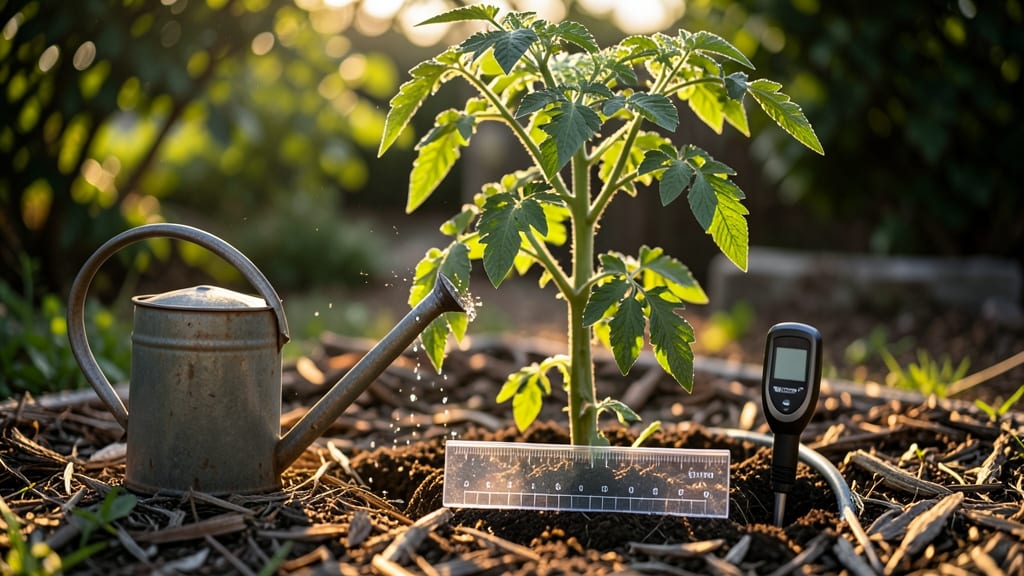
Tomato plants require about 1 inch of water per week to thrive, but getting that balance right is easier said than done.
Struggling to keep your 🍅 tomato plants lush and productive? Overwatering or underwatering can both spell disaster for your harvest—here’s the science-backed watering guide every gardener needs.
Too much water drowns roots and invites disease, while too little stunts growth and shrinks fruit. The key is consistent moisture without soggy soil, and it all starts with understanding how much your plants truly need.
In this guide, I’ll break down the 1-inch weekly rule, how to adjust for heatwaves or rainy spells, and the telltale signs your watering routine might be off track.


The 1-Inch weekly watering rule: how much water tomato plants need
Tomatoes are thirsty plants, but giving them too much—or too little—water can ruin your harvest. The 1-inch weekly watering rule is your golden standard for keeping tomato plants healthy, but how you apply it makes all the difference.
Whether you're growing heirloom beefsteaks or cherry tomatoes, consistent moisture is key to preventing blossom end rot and cracked fruit.
This rule means delivering 1 inch of water per week directly to the soil—not the leaves. Think of it like filling a standard rain gauge to the 1-inch mark.
Adjustments are needed for hot climates, container gardening, and different growth stages (like seedlings vs. fruiting plants). Let’s break it down so you never guess again.
Measuring 1 inch of water is easier than you think. Grab a clear plastic cup or rain gauge and place it near your tomato plants. When the water inside reaches the 1-inch mark, you’ve hit the sweet spot.
For container-grown tomatoes, check soil moisture with your finger—top 1-2 inches should feel dry but not bone-dry before watering again.
Deep watering is non-negotiable. Instead of light sprinkles that only wet the surface, soak the soil until water runs out the drainage holes (for containers) or seeps 6-8 inches deep (for in-ground plants).
This encourages roots to grow downward, making your plants more drought-resistant over time. Shallow watering leads to weak roots and stressed plants that wilt faster.
Your soil type plays a huge role. Sandy soil drains quickly, so you may need to water twice daily in summer, while clay soil holds moisture longer—adjust to every 3-4 days.
Always water in the morning to let foliage dry before nightfall, reducing the risk of fungal diseases like early blight. Avoid wetting leaves to prevent leaf spot and powdery mildew.
New tomato seedlings are delicate and need gentler care. Stick to ¼ inch of water every 2-3 days until they’ve developed a sturdy root system (about 4-6 weeks after transplanting).
Overwatering at this stage can cause root rot, so let the top inch of soil dry out slightly between waterings. Once flowers appear, increase to the 1-inch weekly rule to support fruit development.
During peak summer heat, tomatoes can drink 2+ inches of water per week, especially if you’re growing heat-loving varieties like 'Solar Fire' or 'Heatmaster.' Set up a drip irrigation system or use soaker hoses to deliver water slowly at the base.
Mulching with straw or wood chips locks in moisture and keeps roots cool—critical for preventing sunscald on exposed fruit.
Rainy seasons throw a wrench into your watering schedule. If you get 1 inch of rain, skip your scheduled watering. Use a transparent rain gauge to track rainfall accurately. Too much moisture can lead to blossom end rot (caused by calcium leaching) or root diseases.
Improve drainage by amending soil with compost or perlite and avoid planting tomatoes in low-lying areas where water pools.
One of the biggest mistakes gardeners make
Signs of overwatering vs. underwatering: how to fix common tomato plant problems
Your tomato plants 🍅 might be sending SOS signals without you realizing it. Yellowing leaves, wilting stems, or blossom end rot aren’t just random bad luck—they’re often watering mistakes in disguise. The key is learning to read your plants’ soil moisture cues before problems escalate.
Overwatering and underwatering share some symptoms, like drooping foliage, but the root causes and fixes couldn’t be more different. For example, yellow lower leaves could mean either too much water (rotting roots) or not enough (nutrient stress). Here’s how to tell them apart and save your harvest.
Overwatering vs. Underwatering: Quick Fixes
Overwatering
- 🌱 Yellow leaves (bottom-up)
- 💧 Mushy stems at base
- 🍄 Fungal growth on soil
Underwatering
- 🌿 Wilting leaves (evening recovery)
- 🍅 Dry, cracked fruit
- 🌡️ Soil pulls away from pot edges
If your tomato plants show blossom end rot (dark, sunken spots on fruit), the culprit is almost always inconsistent watering. This calcium deficiency appears when roots can’t absorb nutrients due to dry soil fluctuations. The fix? Mulch heavily and water consistently—aim for 1–1.5 inches per week during fruiting.
For cracked tomatoes, rapid watering changes (like heavy rain followed by drought) cause fruit to expand and split. To prevent this, water at the base in the morning and avoid overhead sprinklers. A 5-gallon bucket of water per plant weekly keeps roots happy without shocking the fruit.
Pro tip: Stick your finger 1–2 inches into the soil. If it’s damp, wait. If it’s dry, water until moisture reaches 6 inches deep. This simple check beats guessing—and guesswork ruins harvests.
Remember, container-grown tomatoes dry out faster than in-ground plants. Check soil daily in pots and adjust your watering schedule accordingly. With these fixes, your plants will thrive instead of throwing warning signs.