
How To
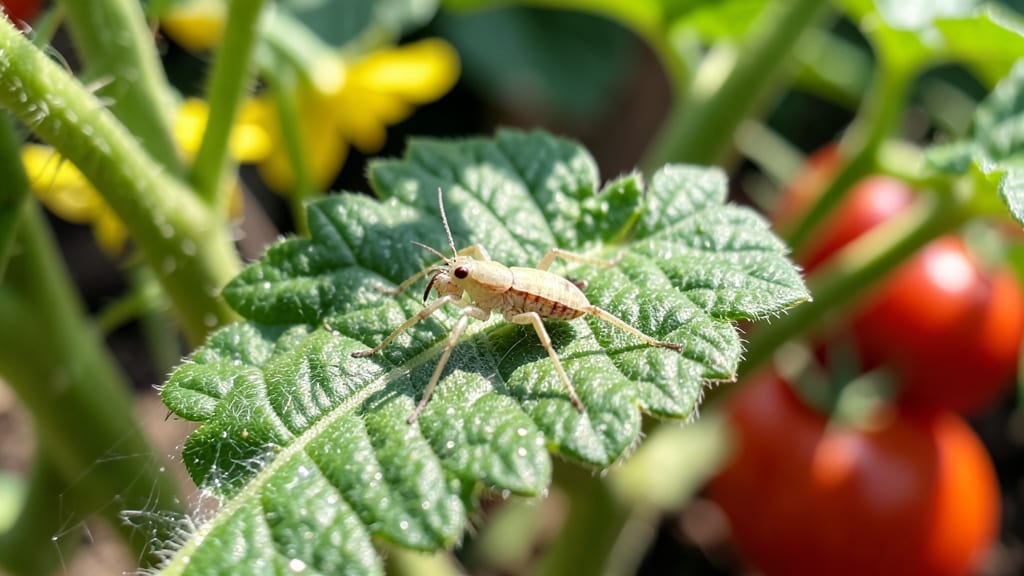
Spider mites can turn your tomato plants from lush and green to dusty and wilted in days. 🌱 I’ve battled these tiny pests more times than I’d like to admit, and I’ve found that a neem oil and soap spray combo works faster than anything else I’ve tried—often clearing them up in just 2-3 treatments.
The key is acting fast before they spin webs and suck the life out of your plants.
Most people wait until they see the webs, but by then the damage is done. I learned the hard way that checking the undersides of leaves every few days—especially in hot, dry weather—is the real game-changer.
A simple 10-second inspection with a magnifying glass can save your entire harvest. Once you spot those tiny yellow specks or fine webbing, it’s time to strike.
This combo isn’t just about killing mites—it’s about restoring your plants’ health too. Within a week of consistent spraying, you’ll see new growth pushing through, and the leaves will start looking vibrant again.
The neem oil disrupts their life cycle, while the soap smothers them on contact. It’s like giving your tomatoes a second chance at thriving.
Here’s the thing—this method works for other plants too, like peppers and eggplants. The secret is consistency: spray every 5-7 days until the mites are completely gone, then switch to preventive measures. Trust me, once you’ve seen your tomatoes bounce back, you’ll never ignore those first warning signs again.
Root Causes of Spider Mites
Spider mites don’t just show up—they’re drawn to tomato plants by a mix of environmental stress, plant health, and human habits. Understanding these triggers is the first step to stopping an infestation before it starts. Let’s break down the real reasons these tiny pests target your tomatoes.
Spider mites thrive in hot, dry climates—think temperatures above 85°F (29°C) with low humidity. Here’s why:
- Water Stress: Tomato plants wilt or dry out under intense heat, making them weaker and less able to repel pests.
Spider mites detect this stress through volatile organic compounds (VOCs) released by struggling plants. - Faster Reproduction: Heat accelerates their lifecycle—female mites lay up to 20 eggs daily in ideal conditions, compared to just 5–10 eggs in cooler temps. - Dust and Debris: Dry air allows dust and plant debris to cling to leaves, creating perfect hiding spots and shielding mites from natural predators like ladybugs.
Actionable Insight: 💡 If your area experiences consistent heatwaves, prioritize shade cloth, mulching, and regular misting to maintain humidity.
A tomato plant under stress is like an open invitation to spider mites. Common weaknesses include:
- Nutrient Deficiencies:
- Low nitrogen (N): Stunts growth, making leaves less dense (mites love sparse foliage).
- Phosphorus (P) or potassium (K) imbalances: Weakens the plant’s cuticle layer, making it easier for mites to pierce and feed.
- Over-Fertilization: Too much synthetic fertilizer (especially high in salts) burns roots, reducing the plant’s ability to fight off pests.
- Fungal or Bacterial Infections: Diseases like early blight or powdery mildew create open wounds where mites can establish colonies.
Science Note: Spider mites inject toxic saliva into leaves, which triggers yellow stippling—a telltale sign of feeding. A healthy plant can seal off damage faster, but a stressed one can’t.
Spider mites are not the original invaders—they often move in after other pests (like aphids) or when their predators disappear. Key disruptors:
- Pesticide Overuse: Broad-spectrum chemical pesticides (e.g., neonicotinoids) kill beneficial insects first, including:
- Ladybugs (eat 50+ mites/day as adults)
- Lacewings (larvae devour mites like a buffet)
- Predatory mites (Phytoseiulus persimilis, a natural spider mite enemy)
- Monoculture Gardening: Planting only tomatoes (or other susceptible crops like peppers/eggplants) starves out predator populations that need diversity to survive.
- Urban or Greenhouse Settings: Without nearby wildflowers or diverse ecosystems, pollinators and predators have fewer food sources.
Pro Tip: ✨ Plant companion crops like marigolds, basil, or dill—they attract predatory insects and disrupt mite movement.
Tomatoes need space to breathe, but many gardeners (even unintentionally) create the perfect mite hotel:
- Tight Spacing: Leaves brush together, making it easy for mites to crawl from plant to plant via silk threads (they’re like tiny spiderweb bridges).
- Thick Canopy: Overgrown foliage traps heat and moisture, creating microclimates that mites adore.
- Plastic Mulch or Greenhouse Traps: While these retain heat, they also prevent air circulation, raising humidity in ways that favor mites over their predators.
Data Point: Studies show spider mite populations increase by 300% in greenhouses compared to open fields due to stagnant air and high CO₂ levels.
Even well-meaning gardeners accidentally introduce or worsen infestations:
- Reusing Contaminated Tools: Pruners, stakes, or trellises carry mites from infested plants to healthy ones.
- Bringing Infested Plants Home: Nursery-bought tomatoes often hide mites in their leaves—inspect new plants under a magnifying glass before planting.
- Ignoring Early Signs: Tiny white specks (mite eggs) or fine webbing on the undersides of leaves are often missed until the infestation explodes.
Warning: 🚨 One infested plant can spread mites to 5+ neighboring plants in 2 weeks if left unchecked.
What’s happening below ground affects mites too:
- Compacted or Waterlogged Soil: Roots struggle to absorb nutrients, weakening the plant’s immune response.
- Hard Water Use: High calcium or magnesium in tap water can alter leaf chemistry, making tomatoes more attractive to mites.
- Drip Irrigation Mistakes: Watering only the soil (not leaves) dries out foliage faster, signaling mites that the plant is stressed.
Fix: 💧 Water deeply but infrequently (early morning) and avoid overhead sprinklers to prevent leaf drying.
Quick Fixes for Spider Mites
Spider mites may be tiny, but their damage is anything but small. The good news? You can tackle them effectively with the right approach. Below are targeted solutions based on the most common causes—dry conditions, weak plants, or existing infestations—along with prevention tips to keep your tomato plants thriving.
Spider mites love dry, dusty environments. If your plants are struggling with thirst or poor airflow, these pests will move in fast.
How to Treat It:
- 💦 Increase Humidity – Place a shallow tray of water near your plants or use a hose to mist leaves daily (especially in hot climates). Aim for 50-70% humidity around your tomatoes.
- 🌧️ Water Deeply & Often – Water early in the morning to reduce evaporation. Focus on the soil, not the leaves, to prevent fungal issues.
- 🍃 Use Mulch – Apply straw or wood chips around the base to retain moisture and deter mites.
💡 Pro Tip: If your area is extremely dry, consider a small humidifier near your garden or a shade cloth to protect plants from scorching sun.
Stressed tomatoes (from overcrowding, poor soil, or nutrient deficiency) are magnet plants for spider mites.
How to Treat It:
- 🌿 Prune for Airflow – Trim yellowing or crowded leaves to improve circulation. Mites thrive in tight spaces!
- 🍄 Boost Soil Health – Amend soil with compost or worm castings for better nutrition. A balanced fertilizer (10-10-10) can help if plants look pale or stunted.
- 🚫 Avoid Overwatering – Soggy soil weakens roots, making plants more susceptible. Let the top 1-2 inches dry out between waterings.
✨ Prevention Hack: Companion plant tomatoes with basil, marigolds, or nasturtiums—these repel mites naturally!
If you’ve already spotted tiny webs, speckled leaves, or stippled foliage, it’s time for direct action.
🔥 Immediate Sprays (Neem Oil + Soap Combo)
This powerhouse duo smothers mites and disrupts their life cycle.
👨🍳 DIY Recipe:
- 1 tsp neem oil (or 1 tbsp castile soap)
- 1 tsp mild dish soap (like Dawn—not detergent!)
- 1 quart water
- 1 tsp horticultural oil (optional, for extra stickiness)
🥘 Step-by-Step Application:
- Shake well in a spray bottle (neem oil separates).
- Spray undersides of leaves (mites hide there!) and stems thoroughly.
- Reapply every 5-7 days until mites disappear (usually 2-3 weeks).
- Store in a cool, dark place—neem oil degrades in sunlight.
⚠️ Safety Note: Test on one leaf first—some plants (like peppers) can be sensitive to soap.
🌡️ Heat Treatment (For Severe Cases)
Spider mites hate heat—use it to your advantage!
- 🔥 Hot Water Spray – Fill a spray bottle with hot (not boiling) water and blast infested areas. Do this early in the day to avoid shocking plants.
- 🌞 Sunlight Trap – Place yellow sticky traps near plants to catch mites as they move.
🐝 Biological Control (Long-Term Fix)
- 🕸️ Ladybugs & Predatory Mites – Release beneficial insects (available at garden centers) to eat mites naturally.
- 🦋 Spider Mite Predators – Phytoseiulus persimilis (a type of mite) is a hungry hunter of spider mites.
Stop spider mites before they start with these easy habits:
✅ Inspect New Plants – Quarantine store-bought or garden-swapped plants for 2 weeks before introducing them. ✅ Clean Garden Tools – Wipe down pruners, pots, and trellises with rubbing alcohol to kill hidden mites. ✅ Rotate Crops – Don’t plant tomatoes in the same spot yearly—mites build up in soil. ✅ Encourage Natural Predators – Plant dill, fennel, or yarrow to attract ladybugs and lacewings. ✅ Wash Leaves Weekly – Use a soft cloth or hose to remove dust (mites love it!).
| Treatment | Frequency | Best Time to Apply |
|---|---|---|
| Neem Oil/Soap Spray | Every 5-7 days | Early morning or late evening (avoid direct sun) |
| Hot Water Spray | As needed (severe infest.) | Cool mornings |
| Beneficial Insects | Release weekly until mites gone | Early morning (they’re nocturnal) |
| Mulching/Watering | Daily (dry climates) | Before 9 AM |
Final Thought: Spider mites may be pesky, but with consistent care, you can outsmart them before they ruin your harvest. Start with humidity control, then attack infestations with neem oil, and prevent future outbreaks with smart gardening habits. Your tomatoes will thank you! 🍅💚
Frequently asked questions
How quickly will I see results from neem oil and soap sprays?
Most gardeners notice visible improvement within 5-7 days of consistent treatment. The neem oil disrupts the mites' life cycle while the soap smothers them on contact. For severe infestations, you may need 2-3 weeks of weekly applications until all signs disappear. Always spray both sides of leaves and stems where mites hide.
Can I use regular dish soap instead of mild castile soap?
No, avoid regular dish soap as it can harm your plants. Use only mild castile soap or Dawn dish soap (blue version) diluted properly. The soap breaks down the protective layer of spider mites but must be gentle enough not to damage your tomato plants' leaves. Always test on a small area first.
What's the best time of day to spray for spider mites?
Apply treatments early morning or late evening when temperatures are cooler. This prevents the spray from evaporating too quickly and reduces stress on your plants. Avoid spraying during peak sun hours as it can cause leaf burn, especially when using oils.
Will my tomato plants recover from spider mite damage?
Yes, but recovery depends on how early you treat the infestation. New growth will emerge from healthy stems and roots. Prune severely damaged leaves and focus on restoring plant health through proper watering, fertilization, and humidity control. Within 2-4 weeks, you should see fresh, vibrant foliage.
Are there any chemical options if natural methods fail?
If organic methods don't work, consider miticides containing abamectin or bifenthrin as a last resort. These chemicals are effective but should be used sparingly and only when necessary. Always follow label instructions carefully, and consider consulting a local extension service for specific product recommendations in your area.