
Planting
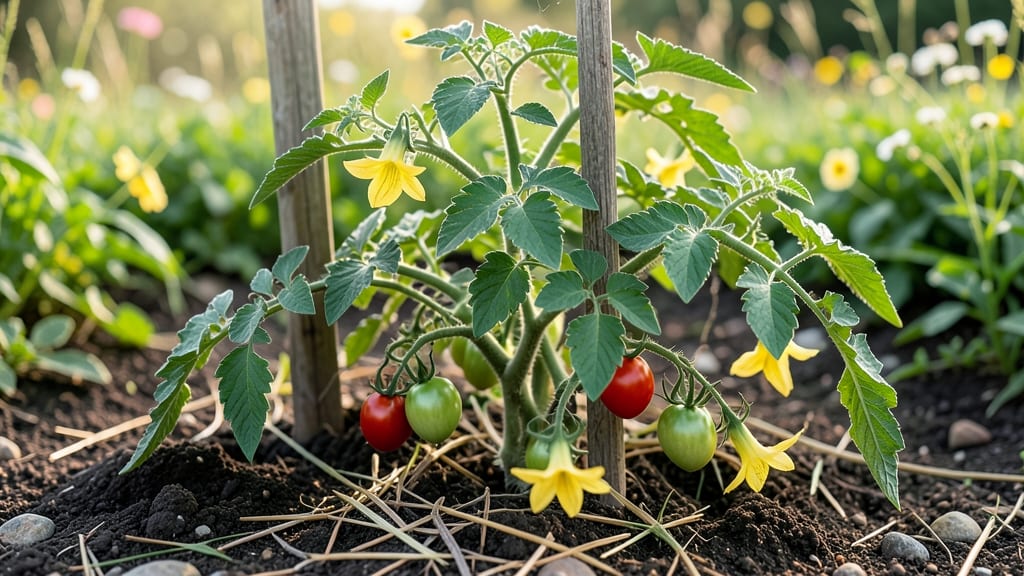
Tomato plant growth observation turns a guessing game into a rewarding journey. 🌱 I’ve watched seedlings transform into heavy-fruited vines by simply noting height, leaf shape, and flower clusters—small details that reveal exactly what each plant needs. The key is catching subtle shifts early, like the first true leaves or when suckers form, so you can adjust pruning or support before problems start.
Start by measuring height at the base of the stem each week—most varieties grow 2-3 inches in their first month, then 4-6 inches during flowering. Watch for deep green, glossy leaves (a sign of strong growth) versus yellowing (which means overwatering or pests).
When flowers appear, count them: 20+ blooms usually means a 5-pound harvest per plant if pollination stays strong.
By week 8, you’ll see tomatoes the size of marbles—now’s the time to add cage support if you haven’t already. The real magic happens in weeks 10-12, when fruit swells and colors shift from green to pink.
That’s when I start checking for cracks or sunscald, adjusting shade cloth or mulch to protect ripening fruit.
This method works for determinate (bush) and indeterminate (vining) tomatoes alike, though vining types need staking. The payoff? You’ll harvest 30-50% more by responding to growth trends instead of treating all plants the same. Here’s how to spot each stage’s clues.
📚 In This Guide
- What you need
- Instructions
- Tips and common mistakes
- Wrapping up and next steps
What you need
- ● Tomato seeds or seedlings: 3–5 plants (choose heirloom or hybrid varieties like Cherry Roma or Beefsteak for variety).
- ● Growing containers: 5–10 gallon pots (for seedlings) or
- ● A raised bed (minimum 12" deep) or garden plot (6–8 sq ft per plant).
- ● High-quality potting mix: 1–2 bags (sterilized, well-draining soil with compost).
- ● Fertilizer: Balanced organic fertilizer (10-10-10 or compost tea) + calcium-rich amendment (e.g., crushed eggshells or lime).
- ● Watering can or hose with gentle nozzle: For deep, even hydration.
- ● Grow lights or sunny spot: 6–8 hours of sunlight daily (or LED grow lights for indoor setups).
- ● Measuring tape or ruler: To track plant height and stem diameter.
- ● Notebook or growth journal: For logging weekly changes (or a free app like Groww).
- ○ Digital camera: Optional but helpful for visual progress tracking.
- ● Pruning shears: Small, sharp pair for trimming suckers or dead leaves.
- ● pH test kit: To monitor soil pH (ideal: 6.0–6.8).
- ● Stakes or cages: 5–6 ft tall for support (bamboo or tomato-specific cages).
- ● Mulch: Straw or shredded leaves to retain moisture.
- ● Drip irrigation system: For consistent watering.
- ● Plant labels: To track varieties and planting dates.
How to track tomato plant development week by week
Watch your tomato plants transform from seedlings to fruit-bearing vines—here's what to expect each week.
🌱 Week 1-2: Germination and First Leaves
After planting seeds, germination typically occurs within 5-10 days at 75-85°F soil temperatures. You'll notice tiny sprouts emerging from the soil, followed by the first pair of cotyledon leaves—those thick, rounded leaves that look nothing like the plant's mature foliage. These leaves store energy for the seedling's early growth.
Keep the soil consistently moist but not soggy during this stage. Overwatering now can lead to damping-off, a fungal disease that causes seedlings to collapse at the soil line. If you see any seedlings struggling, remove them immediately to prevent spread. This is also when you'll want to thin seedlings to one strong plant per cell if you started multiple seeds.
🌿 Week 3-4: True Leaf Formation and Stem Strength
By week three, you'll see the first true leaves—small, serrated edges that resemble the plant's mature foliage. This is your signal that the seedling has successfully transitioned from relying on its seed's energy to producing its own food through photosynthesis. The plant will also develop a stronger stem, which should be thick and sturdy rather than leggy.
At this stage, introduce a balanced fertilizer (10-10-10) at half strength to encourage robust growth. You'll notice the leaves becoming darker green and more vibrant. If your seedlings are growing toward the light source, rotate the containers daily to ensure even growth. This prevents the plants from becoming lopsided and weak.
☀️ Week 5-6: Transplanting and Early Flower Buds
When seedlings have 4-6 true leaves and are about 6 inches tall, they're ready for transplanting outdoors. Choose a spot with full sun (6-8 hours daily) and well-draining soil. After transplanting, water deeply to help the roots establish. You'll start to see flower buds forming in the leaf axils—these small yellow or white clusters are the beginning of your future tomatoes.
Support the plants with stakes or cages as soon as you transplant them. This prevents the stems from snapping under the weight of future fruit. Mulch around the base with 2-3 inches of organic material to retain moisture and suppress weeds. Watch for any signs of stress, such as wilting or yellowing leaves, which can indicate overwatering or underwatering.
🌶️ Week 7-8: Flowering and Fruit Set
By week seven, your tomato plants will be in full bloom, with clusters of flowers opening daily. Pollination occurs naturally through wind, bees, or gentle shaking of the plants. You'll notice small green fruit beginning to form—these are your tomatoes in their earliest stage. Ensure the plants receive adequate water, especially during dry spells, as consistent moisture is critical for fruit development.
If you're growing indeterminate varieties (which continue growing and producing fruit all season), you may need to prune suckers—those small shoots that grow in the leaf axils. Remove these suckers to redirect the plant's energy toward fruit production rather than excess foliage. You'll also want to monitor for pests like aphids or hornworms, which can quickly defoliate young plants.
🍅 Week 9-12: Fruit Development and Ripening
As the tomatoes grow, they'll transition from green to their mature color—red, yellow, or purple, depending on the variety. You'll notice the fruit firming up and developing a glossy sheen as it ripens. At this stage, reduce watering slightly to concentrate the fruit's flavor. Harvest tomatoes when they're fully colored and slightly soft to the touch, but still firm.
Keep an eye out for signs of disease, such as spots on the leaves or fruit, which can indicate fungal infections like early blight or late blight. Remove any affected leaves or fruit immediately to prevent the spread. As you harvest, continue to fertilize lightly to encourage new flower clusters and a continuous supply of tomatoes. With proper care, your plants can keep producing fruit well into the fall.
Tips & tricks for perfect tomato plant growth tracking
A few key insights will help you observe and nurture your tomato plants through every growth stage with confidence.
The Soil Temperature Secret: Maintaining soil temperatures between 75-85°F during the critical 5-10 day germination window is everything. Use a soil thermometer to monitor—colder soils delay germination, while hotter soils can cause uneven sprouting. If your climate struggles to stay in this range, consider using a seedling heat mat beneath your trays.
Light Source Strategy: During weeks 3-4 when true leaves emerge, rotate your seedlings quarter-turn daily toward the light source. This prevents leggy growth where plants stretch toward one direction. A south-facing window or grow lights positioned 6-12 inches above the plants work best for even exposure during the 6-8 hours of daily sunlight they'll eventually need outdoors.
Transplanting Timing Tip: Wait until your seedlings have 4-6 true leaves and are about 6 inches tall before transplanting—this ensures they're strong enough to handle the shock. Harden them off first by placing outside in shade for 3-5 days before full sun exposure. The 2-3 inches of mulch you'll add afterward helps maintain consistent moisture levels during this critical establishment period.
Pollination Assistance: When flowers appear in weeks 7-8, give your plants a gentle shake in the morning to encourage natural pollination. If you notice small green fruits forming but not growing, try using a small paintbrush to transfer pollen between flowers. This mimics how bees would naturally pollinate your plants, ensuring better fruit set.
Pro Tips for Tomato Plant Growth Observation
- A few key insights will help you observe and nurture your tomato plants through every growth stage with confidence.
- The Soil Temperature Secret: Maintaining soil temperatures between 75-85°F during the critical 5-10 day germination window is everything.
- Light Source Strategy: During weeks 3-4 when true leaves emerge, rotate your seedlings quarter-turn daily toward the light source.
Frequently asked questions
Got questions about tracking your tomato plant’s journey from seed to salad? Here are some of the most common queries—and their answers—to keep your green thumb growing!
How often should I check on my tomato plant’s growth?
For young seedlings (weeks 1–4), monitor daily for signs of pests, wilting, or uneven growth. Once established (weeks 5+), weekly checks are ideal—especially after watering or fertilizing. Use a growth journal or photos to spot subtle changes like leaf color shifts or flower buds forming. Pro tip: Early mornings are best for observations when plants are hydrated and pests are less active!
What’s the fastest way to tell if my tomato plant is healthy?
Healthy tomato plants have deep green, slightly waxy leaves (no yellowing or brown spots), sturdy stems (not leggy or mushy), and new growth at the top. Check the roots too—gently tug the plant; if soil clings to roots, they’re thriving. Watch out: Drooping leaves or curled edges often signal over/under-watering or pest stress.
Why are my tomato flowers falling off before fruiting?
This is usually due to pollination issues (common in greenhouses or rainy weather), temperature stress (above 90°F or below 55°F), or nutrient deficiencies (like lack of phosphorus). Try gently shaking plants to aid pollination, or hand-pollinate with a brush. Ensure consistent watering and a balanced fertilizer (like 10-10-10). Fun fact: Some heirloom varieties are self-pollinating but need a little help!
Can I still save my tomato plant if it’s wilting?
Act fast! Wilting often means root stress (over/under-watering) or heat shock. First, check the soil—if dry, water deeply; if soggy, let it drain. Trim any crispy leaves and move the plant to partial shade if temperatures exceed 85°F. Most plants bounce back in 24–48 hours. Prevent future wilting: Mulch to retain moisture and water at the base, not the leaves.
What’s an easy alternative if my tomato seeds won’t germinate?
Try transplanting seedlings from a nursery (choose disease-resistant varieties like ‘Celebrity’ or ‘Early Girl’). If starting from seed fails, opt for fast-growing greens like lettuce or radishes as a bridge crop. For tomatoes specifically, soak seeds in warm water for 24 hours before planting to boost germination rates. Remember: Seedlings need warmth (70–80°F soil temp) and indirect light to sprout!
| Quick Troubleshooting Guide |
|---|
| Yellow Leaves? Overwatering or nitrogen deficiency. Let soil dry slightly between waterings. |
| No Flowers? Too much nitrogen or inconsistent watering. Switch to phosphorus-rich fertilizer (like bone meal) and water evenly. |
| Blossom End Rot? Calcium deficiency or uneven watering. Apply crushed eggshells to soil or use a calcium spray. |
Wrapping up and next steps
Observing your tomato plant’s growth week by week is more than just a hobby—it’s a rewarding journey of patience and connection with nature. 🌱 From tiny seeds to lush, harvest-ready vines, each stage teaches you about resilience, adaptability, and the magic of nurturing life.
Whether you’re a beginner or a seasoned gardener, your efforts are already making a difference!
Now that you’ve tracked the stages, why not take the next step? Experiment with pruning techniques, try different fertilizers, or even document your plant’s progress in a journal. Every garden is unique—your tomatoes could be the star of your harvest this year! 🍅