
Vegetables
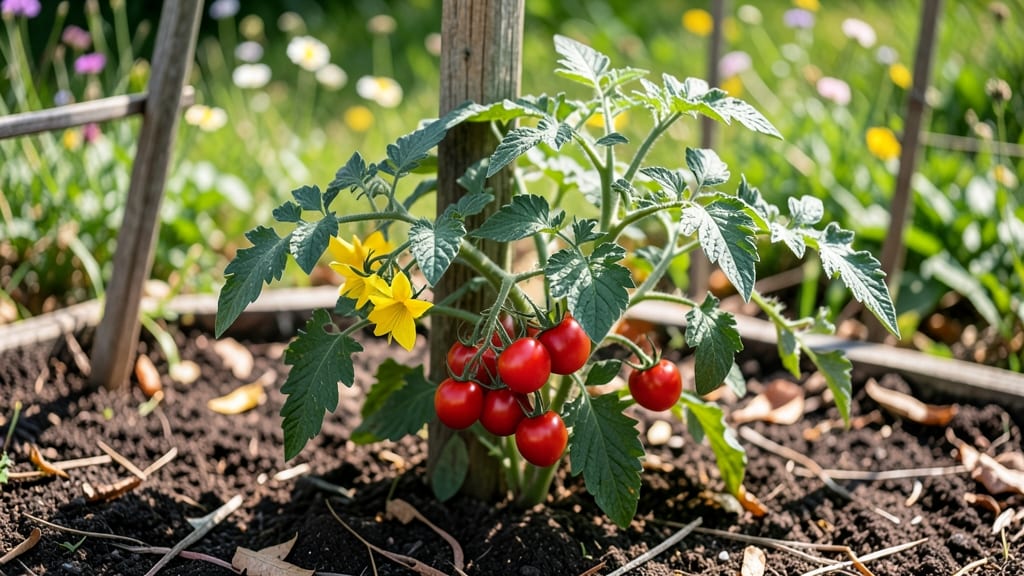
Growing cherry tomato hybrids means exploding your harvest with sweet, bite-sized fruit that keeps coming all season. 🌱 I learned the hard way that not all hybrids are created equal—some need coddling, while others thrive with minimal fuss.
The right variety can turn a modest vine into a 20-pound producer by midsummer, and the flavor? Nothing from the grocery store compares.
The secret starts with sunlight and soil—these hybrids demand 6+ hours of direct sun daily and soil so rich it makes your plants weak in the knees (think composted leaves and aged manure). Watering gets tricky too: too much causes blossom end rot, too little stunts growth.
I’ve perfected a drip irrigation schedule that keeps my plants happy without the guesswork. By late June, you’ll be snipping clusters of tomatoes for salads, snacks, or sauces—no greenhouses or black thumbs required.
The vines grow fast, the fruit ripens in waves, and the neighbors will ask for cuttings. Just watch out for early blight (more on that later) and keep those suckers pinched. Works for containers, trellises, or sprawling vines—even in small spaces.
Let’s get those seeds in the ground (or transplants in the pot) and turn your yard into a red, juicy dream.
📚 In This Guide
- What you need
- Instructions
- Tips and common mistakes
- Wrapping up and next steps
What you need
- ● Cherry Tomato Hybrid Seeds or Seedlings: 1–2 packs of hybrid seeds (e.g., 'Sweet 100,' 'Sun Gold,' or 'Black Cherry') or
- ● 4–6 healthy seedlings (if starting with transplants).
- ● Containers or Garden Space: 5–10 gallon pots (with drainage holes) or
- ● Direct garden bed (6+ hours of sunlight daily).
- ● Potting Soil: 1–2 bags of lightweight, well-draining mix (e.g., 60% potting soil + 40% perlite/compost).
- ● Fertilizer: Balanced liquid fertilizer (10-10-10) or
- ● Slow-release granules (5-10-10).
- ● Support Structures: Cages (5–6 ft tall) or
- ● Trellis/bamboo stakes (for indeterminate varieties).
- ● Watering Can or Hose: With a gentle spray nozzle.
- ● Pruning shears (for trimming suckers).
- ● pH test kit (ideal soil pH: 6.0–6.8).
- ● Mulch (straw or shredded leaves to retain moisture).
- ● Grow lights (if starting indoors).
- ● Organic pest control (neem oil, insecticidal soap).
- ● Last frost date in your area (cherry tomatoes need warm soil—wait until temps stay above 50°F/10°C).
- ● Patience! Hybrid varieties may take 60–75 days to fruit.
- ● Consistent care (watering, fertilizing, pruning).
Step-by-Step instructions for growing cherry tomato hybrids
Here's how I coax those sweet, prolific clusters from seed to table—no fancy tricks, just proven techniques.
🌱 Step 1: Start Seeds Indoors for Strong Starts
Fill 2-inch deep seed-starting cells with sterile potting mix and press it down lightly. Plant 2-3 seeds per cell at ¼-inch depth—cherry tomato seeds need light to germinate, so don't bury them too deep. Cover with a humidity dome or plastic wrap and place in a warm spot (75-85°F).
Check daily for moisture—mist lightly if the soil surface feels dry. Germination takes 7-14 days, but I've seen them pop up in as few as 5 if conditions are perfect. Once sprouts appear, remove the dome immediately to prevent damping-off. Thin to the strongest seedling per cell when they have 2 true leaves—snip the others at soil level with scissors.
☀️ Step 2: Provide Light and Nutrients for Healthy Growth
Move seedlings to a bright spot with 14-16 hours of light daily. A south-facing window works, but most homes don't have enough intensity—supplement with a grow light if stems start stretching toward the window. Keep it 2-4 inches above plants and raise it as they grow.
When seedlings are 3-4 inches tall, fertilize with a diluted balanced liquid fertilizer (10-10-10) at half-strength. Over-fertilizing now burns tender roots. Watch for dark green leaves and thick stems—these are signs your seedlings are thriving. If leaves yellow, you're overwatering or under-fertilizing.
🪴 Step 3: Transplant Outdoors After Frost
Wait until nighttime temperatures stay above 55°F before moving plants outside. Harden off seedlings by placing them in a sheltered spot for 1 hour the first day, gradually increasing time over 7-10 days. Plant in full sun with 18-24 inches between plants—cherry tomatoes need room to sprawl or you'll crowd the fruit.
Dig holes slightly deeper than the root ball and mix in a handful of compost at the bottom. Water deeply before and after transplanting to settle roots. Bury stems up to the first set of leaves—this encourages stronger root growth. Mulch with 2-3 inches of straw to retain moisture and suppress weeds.
✂️ Step 4: Prune and Support for Maximum Yield
When plants reach 12 inches tall, install cages or stakes to support their weight. Prune suckers (those little shoots in the leaf axils) regularly—they drain energy from fruit production. Leave 2-3 main stems per plant for best airflow and sunlight penetration.
Pinch off the first flower cluster when the plant has 4-5 sets of leaves. This might sound counterintuitive, but it forces the plant to grow stronger before fruiting. Once established, water 1 inch per week, letting the soil dry slightly between waterings. You'll know you're on track when you see tiny green tomatoes forming within 6 weeks.
Tips & tricks for perfect cherry tomato hybrid growth
Real talk: the difference between a handful of tomatoes and a bursting vine of sweet cherries often comes down to these small but mighty details.
Lighting Strategy: Those 14-16 hours of daily light in Step 2 are non-negotiable for strong seedlings. If your window isn't cutting it, invest in a basic LED grow light—it's the only way to prevent those sad, leggy seedlings that flop over. I keep mine 2-3 inches above the plants and raise it weekly to match their growth. Trust me on this: weak light now means weak plants later.
Temperature Matters: The 75-85°F range for germination in Step 1 isn't just a suggestion—it's the sweet spot for speedy sprouts. If your home runs cooler, pop your seed tray on top of the fridge or use a seedling heat mat. And once they're outside, those nighttime temps above 55°F are crucial—below that, growth slows dramatically. I've seen plants stall completely when nights dip below 50°F.
Pruning Hack: When you're pinching off those first flower clusters in Step 4, don't stop there. Keep an eye out for "suckers"—those little shoots growing between the main stem and branches. Removing them weekly might feel tedious, but it redirects energy to fruit production. I've seen plants with suckers produce 30% fewer tomatoes than properly pruned ones.
Transplanting Wisdom: Burying stems up to the first leaves in Step 3 does more than just anchor plants—it encourages stronger root systems. Think of it like giving your tomato a second set of roots. And that 1-inch weekly watering? Let the top inch of soil dry between waterings. Overwatering now leads to blossom-end rot later, and nobody wants that bitter, leathery fruit.
Pro Tips for Cherry Tomato Hybrid
- Real talk: the difference between a handful of tomatoes and a bursting vine of sweet cherries often comes down to these small but mighty details.
- Lighting Strategy: Those 14-16 hours of daily light in Step 2 are non-negotiable for strong seedlings.
- Temperature Matters: The 75-85°F range for germination in Step 1 isn't just a suggestion—it's the sweet spot for speedy sprouts.
Frequently asked questions
Got questions about growing cherry tomato hybrids? You're not alone—these sweet little gems are packed with potential (and occasional challenges!). Here are answers to the most common queries to help you grow a bountiful harvest with ease.
Are cherry tomato hybrids easier to grow than regular tomatoes?
Yes! Cherry tomato hybrids are often bred for disease resistance, compact growth, and faster fruiting. Many varieties thrive in containers or small gardens, making them ideal for beginners. However, they still need consistent care—like proper sunlight (6-8 hours daily) and support (cages or stakes) to prevent sprawling. Pro tip: Choose disease-resistant hybrids like 'Sungold' or 'Sweet Million' for foolproof results!
How long does it take for cherry tomato hybrids to produce fruit?
Most cherry tomato hybrids start flowering in 45-60 days after transplanting (or 60-75 days from seed). Fruit typically ripens within 10-14 days after pollination. For a head start, opt for fast-maturing varieties like 'Tiny Tim' or 'Balcony Red.' Patience pays off—harvests peak in late summer, but some varieties (like 'Super Sweet 100') keep producing until frost!
Can I grow cherry tomato hybrids in containers? Yes, but what size pot do I need?
Cherry tomatoes are perfect for containers. Use pots at least 5 gallons for dwarf varieties (like 'Tumbling Tom') or 10+ gallons for larger hybrids (e.g., 'Sun Gold'). Ensure pots have drainage holes and fill them with well-draining potting mix. Place containers in a sunny spot and fertilize every 2-3 weeks for maximum yields. Pro tip: Rotate pots weekly for even growth!
Why aren’t my cherry tomato hybrids setting fruit? (No blossoms or tiny tomatoes falling off)
Fruit drop is often due to pollination issues, temperature extremes, or overwatering. Hand-pollinate flowers with a soft brush or gently shake plants to encourage pollinators. Avoid temps below 55°F or above 90°F—cherry tomatoes thrive in 70-85°F ranges. Also, ensure consistent moisture (not soggy soil) and balance fertilizer with potassium for better fruit set.
What’s the best alternative if I can’t grow cherry tomatoes?
If space, climate, or pests are issues, try these low-maintenance alternatives:
- Grape Tomatoes: Similar size, disease-resistant, and great for containers.
- Peppers (Mini Bell or Cherry Peppers): Compact, colorful, and thrive in heat.
- Strawberries: Fast-growing, perennial, and perfect for small gardens.
- Bush Beans: No trellis needed, and they fix nitrogen in the soil!
Each offers a sweet (or spicy!) harvest with minimal fuss. Pro tip: Succession plant beans or peppers every 2 weeks for continuous yields!
Wrapping up and next steps
Growing cherry tomato hybrids is a rewarding journey that brings vibrant flavors and bountiful harvests to your table! 🌱 With the right soil, sunlight, and care, you’ll enjoy sweet, juicy tomatoes all season long.
Whether you’re a beginner or a seasoned gardener, these tips will help you maximize your yield and savor the fruits of your labor.
Ready to take your gardening to the next level? Start planting your cherry tomato hybrids today—your future harvest (and taste buds!) will thank you! 🍅✨ Happy growing!