
Companion Plants
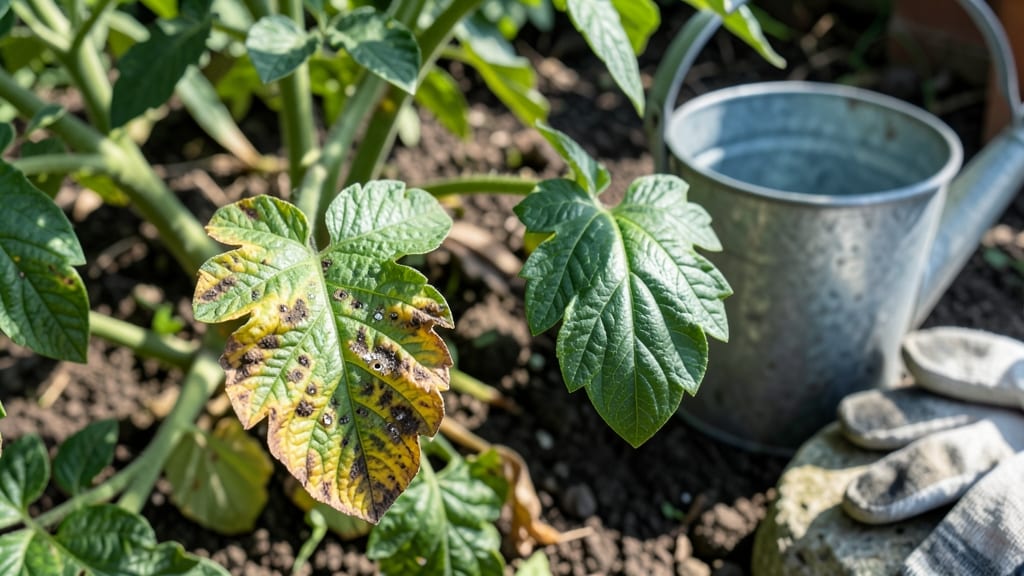
When your tomato plant leaves start wilting, it’s not always about water—though that’s usually the first guess. 🌱 I’ve seen gardeners drown their plants trying to fix wilting, only to make it worse. The real secret lies in understanding whether your plant is thirsty, stressed, or fighting something invisible.
First, check the soil: if it’s bone-dry two inches down, you’ve got an underwatering problem. But if it’s soggy, you’re overdoing it—roots need air too. Wilting can also signal pests like aphids or diseases like early blight, which require different fixes entirely.
The key is noticing where the wilting starts: bottom leaves often mean overwatering, while top leaves suggest heat stress or pests. With the right approach, you’ll see crisp, vibrant green leaves within days.
Most fixes take less than an hour—whether it’s adjusting your watering routine, trimming affected foliage, or applying a targeted spray. Prevention is easier than curing once it starts, so we’ll cover that too. This works for backyard gardens, containers, or even a single potted plant on your patio.
Let’s get those tomatoes thriving again—no guesswork required.
Root Causes Behind Wilting Tomato Leaves
Understanding why your tomato plant’s leaves suddenly droop or wilt is half the battle in saving it. Wilting is often a distress signal from the plant, and the cause can range from environmental stressors to hidden health issues.
Let’s break down the most common culprits—backed by science—and what they mean for your tomato’s well-being.
---
Wilting can be counterintuitive when your plant is too wet. Overwatering suffocates roots by cutting off oxygen, leading to root rot (Pythium or Phytophthora fungi). Symptoms include: - Yellowing leaves (chlorosis) before wilting - Mushy, black roots when inspected - Stagnant water pooling in the soil
Why it happens: Tomato roots thrive in well-aerated, slightly moist soil (like a damp sponge). When waterlogged, roots can’t absorb oxygen, triggering cellular stress. The plant then wilts as a survival mechanism to reduce water loss—even though it’s drowning.
Actionable fix: - Test drainage: Dig a hole 6 inches deep—if water sits after 30 minutes, amend soil with perlite or sand. - Adjust watering: Water deeply 2–3 times per week (less in humidity) and let the top 2 inches of soil dry between sessions.
---
Tomatoes are thirsty plants, and wilting is their way of screaming for hydration. Underwatering causes: - Leaves curling inward (to minimize water loss) - Dry, crispy edges on older leaves - Soil pulling away from pot edges (in containers)
Why it happens: Tomatoes have shallow root systems (top 12 inches of soil). When soil dries out, guard cells in leaves lose turgor pressure, causing them to wilt. Heatwaves exacerbate this by increasing transpiration rates (water loss through leaves).
Actionable fix: - Mulch heavily (straw or wood chips) to retain moisture. - Water at soil level (not overhead) in the early morning to reduce evaporation. - Use drip irrigation for consistent moisture—tomatoes hate "boom-and-bust" watering.
---
Wilting can also signal a hunger for key nutrients, especially: - Potassium (K): Critical for osmotic regulation (water balance in cells).
Deficiency causes marginal leaf scorch and wilting, even with wet soil. - Magnesium (Mg): Leads to interveinal chlorosis (yellowing between veins) and weak cell walls. - Nitrogen (N): While excess causes lush but weak growth, deficiency leads to stunted, pale leaves that wilt easily.
Why it happens: - Over-fertilizing with nitrogen (e.g., blood meal) can burn roots, mimicking underwatering. - Poor soil structure (e.g., clay) locks out nutrients, even if they’re present. - pH imbalances (tomatoes prefer 6.0–6.8): Too acidic or alkaline soil blocks nutrient uptake.
Actionable fix: - Test soil with a home kit or send a sample to a lab. - Side-dress with potassium-rich fertilizers (like banana peel tea or greensand) mid-season. - Avoid synthetic fertilizers near wilting plants—use compost tea for gentle nutrient boosts.
---
Hidden pests or pathogens can severely disrupt water and nutrient flow, causing wilting even when soil is moist.
Common culprits: - Root-knot nematodes: Microscopic worms that gall roots, reducing water absorption. - Fungal root rots (Fusarium, Verticillium): Clog xylem vessels, preventing water transport. - Aphids or spider mites: Sap-sucking pests weaken leaves, causing them to wilt prematurely.
Why it happens: - Nematodes inject bacteria into roots, causing galls that block water uptake. - Fungal hyphae grow in root tissues, physically disrupting the vascular system. - Pests reduce leaf photosynthetic efficiency, so the plant can’t sustain turgor pressure.
Actionable fix: - Inspect roots when repotting—healthy roots are white/firm; diseased roots are black/mushy. - Apply neem oil (for pests) or copper fungicide (for root rot) preventatively. - Rotate crops every 3 years to break disease cycles.
--- Sudden changes in temperature, wind, or handling can cause osmotic shock, leading to wilting: - Cold snaps (below 50°F): Slow metabolic processes, including water uptake. - Strong winds: Transpiration exceeds absorption, drying leaves out. - Transplant shock: Damaged roots take 3–5 days to recover, causing temporary wilting.
Why it happens: Tomato leaves have stomata (pores) that open to absorb CO₂ but close to conserve water during stress. If the plant can’t replenish lost water, cells collapse, and leaves wilt.
Actionable fix: - Use row covers for wind protection. - Avoid transplanting during heatwaves or cold snaps—wait for stable 60°F+ soil temps. - Mist leaves lightly on extreme days (but avoid fungal risks).
Revive Your Tomatoes Fast
Wilted tomato leaves don’t mean game over—with the right moves, you can nurse your plants back to health and even prevent future droops. Below, we’ve matched common causes to proven fixes, so you can act fast and keep your garden thriving. 🌱💦
If your soil feels soggy or water pools at the base of the plant, you’re likely drowning your tomatoes in moisture. Too much water suffocates roots, cutting off oxygen and inviting fungal diseases like Fusarium or Verticillium wilt.
#### How to Fix It 🔹 👨🍳 Step 1: Check the Soil - Stick your finger 2 inches into the soil. If it’s damp, hold off on watering. Tomato roots need air—water only when the top inch feels dry. 🔹 🥘 Step 2: Improve Drainage - Amend heavy clay soil with compost or perlite (1 part organic matter to 3 parts soil). For containers, ensure pots have drainage holes and elevate them slightly. 🔹 ⏰ Step 3: Adjust Watering Habits - Water deeply but infrequently—aim for 1–1.5 inches per week (more in extreme heat). Use a soaker hose or drip irrigation to deliver water at the roots, not the leaves. 💡 Pro Tip: If your plant is already struggling, prune yellowing leaves to redirect energy to healthy growth. Avoid mulching too close to the stem—keep it 2–3 inches away to prevent rot.Crispy, curled leaves or wilting in the afternoon heat? Your tomatoes are thirsty—or overheated. Unlike many plants, tomatoes love consistent moisture and hate drying out.
#### How to Fix It 🔹 💦 Step 1: Hydrate Immediately - Give your plant a slow, deep drink—water until it runs out the drainage holes. Repeat every 2–3 days in hot weather. 🔹 🌿 Step 2: Shield from Scorching Sun - If leaves are scorched, provide afternoon shade with a lightweight shade cloth (30–50% coverage). Alternatively, use straw mulch to retain moisture and cool roots. 🔹 🍅 Step 3: Boost Humidity (Gently) - Place a tray of water near the plant or mist leaves early in the morning (avoid evening misting to prevent fungal issues). Grouping plants together also creates a microclimate. 💡 Pro Tip: Morning watering is ideal—it gives roots time to absorb moisture before the sun peaks. If your soil is sandy, add hydration crystals (polyacrylamide) to lock in water.Holes, chewed edges, or sticky residue on leaves? Pests like aphids, spider mites, or even fungal infections can sap your plant’s strength faster than you think.
#### How to Fix It 🔹 🔪 Step 1: Identify the Culprit - Pests? Check undersides of leaves for tiny bugs, webs, or chewed spots. - Disease? Look for yellow spots (early blight), black streaks (Verticillium wilt), or white powder (powdery mildew). 🔹 🚿 Step 2: Treat Naturally First - Pests: Spray with neem oil (1 tbsp per quart of water) or introduce beneficial insects like ladybugs. For severe infestations, use insecticidal soap. - Disease: Remove infected leaves immediately and apply copper fungicide (follow label instructions). For prevention, rotate crops yearly. 🔹 🌱 Step 3: Strengthen the Plant - Feed with a balanced fertilizer (10-10-10) or compost tea to boost immunity. Avoid over-fertilizing—too much nitrogen weakens defenses. 💡 Pro Tip: Prevent future issues by inspecting new plants before transplanting and removing weeds (they harbor pests).Newly planted tomatoes or those in small pots may wilt if roots are cramped or struggling to establish. Even mature plants can suffer if roots circle the container.
#### How to Fix It 🔹 🌱 Step 1: Upgrade the Pot (If Potted) - Move to a container 1–2 sizes larger with fresh, well-draining potting mix. Gently loosen roots before repotting. 🔹 💧 Step 2: Revive with a Root Boost - Soak roots in water mixed with a rooting hormone (like mycorrhizal fungi) for 10 minutes before replanting. This jumpstarts recovery. 🔹 ⏳ Step 3: Give It Time - After transplanting, keep soil moist but not soggy for 2 weeks. Avoid fertilizing until new growth appears. 💡 Pro Tip: Bury stems deeper when transplanting—up to the first set of leaves. This encourages stronger root growth!With these fixes, your tomato plants should perk up within 3–7 days. Monitor closely, adjust care as needed, and soon you’ll be harvesting juicy, vine-ripened tomatoes instead of wilting leaves! 🍅✨
Frequently asked questions
Why do my tomato plant leaves wilt in the afternoon but recover at night?
This is classic heat stress or transpiration overload. During hot afternoons, your plant loses water faster than roots can absorb it, causing temporary wilting. The cooler night air slows water loss, letting leaves recover. Fix this by providing afternoon shade (use shade cloth) and watering deeply in the morning to keep roots hydrated all day.
Can I save a tomato plant with completely wilted stems?
If stems are soft or mushy (signs of root rot), the plant is likely beyond saving. But if stems are still firm and wilting is recent, try this: prune all wilting leaves, soak roots in water with mycorrhizal fungi for 10 minutes, then repot in fresh, well-draining soil. Keep soil moist (not soggy) and watch for new growth within 3–5 days.
How do I tell if wilting is from pests or disease versus water issues?
Check these clues: Pests/disease often show sticky residue (aphids), webs (spider mites), or spots (fungal infections) on leaves. Water issues cause even wilting across entire leaves, with no visible damage. For pests, spray with neem oil; for disease, remove infected leaves and apply copper fungicide. Water-related wilting improves within hours after adjusting moisture.
Will wilting tomato leaves still produce fruit?
Mild wilting (from temporary stress) won’t stop fruit production, but severe wilting can reduce yields. The plant prioritizes existing fruit over new growth, so focus on reviving leaves first. If wilting is from nutrient deficiency (like potassium), the plant may drop blossoms—but healthy leaves will support current fruit. Always fix the root cause before expecting a full harvest.
Can I use coffee grounds to fix wilting tomato plants?
Coffee grounds can help long-term by improving soil structure and providing nitrogen, but they won’t stop wilting quickly. For immediate fixes, focus on water/drainage first. Mix used coffee grounds (composted) into soil later as a slow-release fertilizer—but avoid fresh grounds (they’re too acidic and can burn roots). A better short-term fix is compost tea for nutrient boosts.