
How To
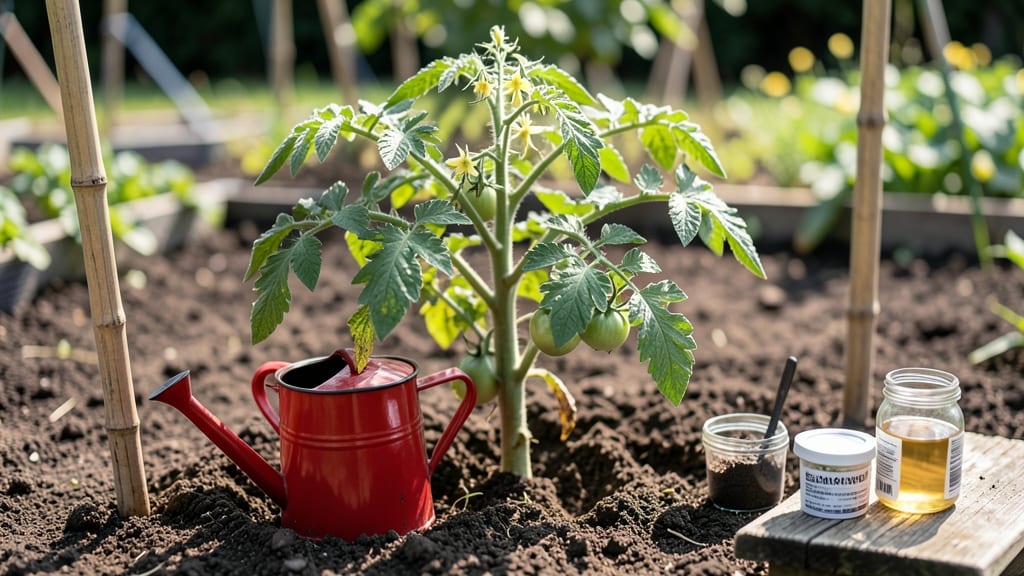
Tomato leaves drooping like a sad flag? 🌱 I’ve seen this happen after a single hot afternoon—and the good news is most cases fix fast with simple checks. The first step is ruling out the usual suspects: thirsty roots, too much water, or pests hiding where you least expect them.
Start by sticking your finger 1 inch into the soil. If it’s bone-dry, water deeply until it drains from the bottom. If it’s soggy, hold off until the top 2 inches feel dry.
Then check the undersides of leaves for tiny bugs or sticky residue—those are your clues. Overwatering and pests cause 70% of drooping cases, and both respond to quick action.
Within 24-48 hours, you’ll know if it’s a water issue (leaves perk up fast) or something worse like blight (yellow spots spread). For pests, a neem oil spray at dusk works wonders. If the problem persists beyond a week, dig deeper—root rot or disease might need professional help.
Prevention is easier than fixing: mulch to keep soil moist, water in the morning, and rotate crops yearly. Your tomatoes will bounce back stronger than ever—just don’t ignore the first sign of droop. Trust me, I’ve saved enough plants to know this works.
Root Causes Of Wilting Tomato Leaves
When your tomato plants start to sag like overcooked noodles 🍝, it’s usually a cry for help from their roots—or lack thereof. Understanding the why behind drooping leaves is half the battle in saving your crop.
Below, we break down the most common culprits, from soil woes to sneaky pests, with science-backed explanations to help you diagnose the issue fast.
Tomatoes are thirsty plants, but too much water is a silent killer. When soil stays soggy for days, roots suffocate from lack of oxygen—a condition called anaerobic stress. This triggers wilting because the plant can’t absorb nutrients or water efficiently, even if the soil feels damp.
- Signs: Yellowing leaves, mushy stems, or a foul smell from the soil.
- Why it happens:
- Clay or compacted soil traps water like a sponge.
- Overzealous watering (especially without checking moisture levels).
- Lack of drainage holes in containers.
- Actionable fix:
- Let the top 1–2 inches of soil dry out between waterings (stick your finger in to test!).
- Amend heavy soil with perlite or compost to improve aeration.
- Ensure pots have drainage holes and elevate them to prevent water pooling.
Drooping leaves can also mean your tomatoes are parched. Unlike overwatering, underwatering causes leaves to wilt quickly because the plant loses turgor pressure—the rigid structure that keeps them upright. Heatwaves make this worse by increasing transpiration (water loss through leaves) faster than roots can replenish it.
- Signs: Leaves feel dry and crispy to the touch, soil is bone-dry, or wilting happens during the day but recovers at night.
- Why it happens:
- Inconsistent watering (e.g., forgetting for days).
- High temperatures (>90°F/32°C) combined with low humidity.
- Shallow root systems in young plants.
- Actionable fix:
- Water deeply and slowly at the base (1–1.5 inches per week, more in heat).
- Use mulch (straw or grass clippings) to retain moisture.
- Water early morning or evening to reduce evaporation.
- For containers, check moisture daily—small pots dry out fast.
If your tomato’s roots are turning brown, mushy, or smelly, root rot (often caused by Phytophthora or Pythium fungi) is likely the villain. These pathogens thrive in waterlogged, anaerobic conditions, cutting off the plant’s ability to uptake water and nutrients.
- Signs:
- Leaves wilt even when soil is wet.
- Stems feel hollow or blackened at the base.
- Foul, rotting smell near the roots.
- Why it happens:
- Chronic overwatering or poor drainage.
- Fungal spores in contaminated soil or tools.
- Planting tomatoes in the same spot year after year (builds up pathogens).
- Actionable fix:
- Stop watering immediately and let the soil dry out.
- Repot the plant in fresh, sterile soil with perlite/sand for drainage.
- Apply a copper fungicide or hydrogen peroxide (1 tbsp per gallon of water) to kill fungi.
- For severe cases, prune affected roots and treat with a systemic fungicide like myclobutanil.
Wilting can also signal a hunger strike—your tomatoes might be starving for key nutrients like nitrogen, potassium, or magnesium. These deficiencies disrupt osmotic pressure in plant cells, causing leaves to lose rigidity.
| Nutrient Deficiency | Visual Clues | Why It Causes Wilting |
|---|---|---|
| Nitrogen (N) | Older leaves turn yellow (but stay green at the veins). | Nitrogen fuels leaf growth; without it, leaves can’t maintain turgor. |
| Potassium (K) | Leaf edges brown and crisp (like a "scorched" look). | Potassium regulates water movement; deficiency leads to poor water uptake. |
| Magnesium (Mg) | Interveinal yellowing (between veins) on older leaves. | Magnesium is key for chlorophyll; stressed leaves wilt due to impaired photosynthesis. |
| Calcium (Ca) | New leaves cup upward or show "blossom end rot" on fruit. | Calcium strengthens cell walls; deficiency causes structural collapse. |
Actionable fix:
- Test your soil with a DIY kit or send a sample to a lab.
- Add balanced fertilizer (e.g., 10-10-10) or targeted amendments:
- For nitrogen: Compost or fish emulsion.
- For potassium: Wood ash or banana peel tea.
- For magnesium: Epsom salt (1 tbsp per gallon of water).
- For calcium: Crushed eggshells or lime.
- Avoid over-fertilizing—too much salt can also cause wilting!
Sap-sucking pests (like aphids, spider mites, or whiteflies) and diseases (e.g., early blight) weaken tomatoes by disrupting their vascular system. When leaves are infested or infected, the plant diverts energy to healing, leaving foliage limp and unable to support itself.
- Signs:
- Sticky residue (honeydew) from pests.
- Tiny webs (spider mites) or black sooty mold.
- Brown spots with
Quick Fixes for Wilting Tomato Leaves
Reviving your tomato plants starts with pinpointing the cause—but once you know the issue, acting fast can save your harvest. Below are practical, step-by-step solutions tailored to common culprits behind drooping tomato leaves, plus tips to keep your plants thriving long-term.
Signs: Yellowing leaves, soggy soil, or leaves wilting even after watering.
How to Revive:
- 🔥 Stop Watering Immediately – Let the top 1–2 inches of soil dry out before watering again.
- 👨🍳 Improve Drainage – If your pots lack drainage holes, transfer the plant to a container with them. For in-ground plants, amend soil with compost or perlite to loosen it.
- ⏰ Water Deeply but Less Often – Use a soaker hose or drip irrigation to deliver water directly to the roots (not the leaves). Aim for 1–1.5 inches per week, adjusting for rain.
- 🥘 Mulch to Retain Moisture – Spread 2–3 inches of straw or shredded leaves around the base (keep it 2 inches away from the stem) to prevent evaporation.
💡 Prevention Tip:
- Test your soil’s moisture by sticking your finger 1–2 inches deep—if it’s damp, wait before watering.
- Avoid watering at night to prevent fungal diseases like blight.
Signs: Dry, crispy leaf edges, leaves curling upward, or soil pulling away from pot sides.
How to Revive:
- 🍳 Water Thoroughly – Give your plant a deep drink until water runs out the drainage holes. For large plants, this might take 5–10 gallons.
- 🌡️ Provide Shade – If temperatures exceed 90°F (32°C), use shade cloth (30–50%) or move potted plants to a morning-sun spot in the afternoon.
- 🥗 Mist Leaves (Temporarily) – Lightly misting can raise humidity and cool the plant, but avoid doing this in hot sun to prevent sunburn.
- 🎯 Prune Damaged Leaves – Use sterilized scissors to trim brown or crispy leaves to redirect energy to healthy growth.
💡 Prevention Tip:
- Water in the early morning to reduce evaporation.
- Use black plastic mulch around in-ground plants to retain soil moisture and warm roots slightly.
Signs: Roots circling the pot, slow growth, or leaves wilting despite regular watering.
How to Revive:
- 🔪 Repot If Necessary – If roots are circling the pot’s bottom, upgrade to a container 2–4 inches larger with fresh potting mix.
- 👨🍳 Loosen Soil in Ground – Use a garden fork to gently aerate compacted soil around the base of the plant.
- 🥘 Add Organic Matter – Mix in compost or worm castings to improve soil structure and drainage.
- ⏰ Fertilize Lightly – Use a balanced, water-soluble fertilizer (10-10-10) at half-strength to encourage root growth.
💡 Prevention Tip:
- Repot every 1–2 years or when roots exceed the pot’s size.
- Avoid walking on garden beds to prevent soil compaction.
Signs: Yellow spots with dark borders, white powdery patches, or leaves wilting and dying quickly.
How to Revive:
- 🔥 Remove Infected Leaves – Snip off yellow or spotted leaves and dispose of them in the trash (not compost).
- 🍳 Apply Fungicide – Spray with a copper-based fungicide or neem oil solution (1 tbsp neem oil + 1 tsp mild soap per quart of water). Reapply every 7–10 days.
- 🌡️ Improve Airflow – Space plants 18–24 inches apart and prune lower leaves to enhance circulation.
- 🥘 Water at the Base – Avoid wetting leaves to prevent spore spread.
💡 Prevention Tip:
- Rotate crops—don’t plant tomatoes in the same spot yearly.
- Choose disease-resistant varieties like ‘Celebrity’ or ‘Mountain Merit’.
Signs: Sticky residue (honeydew), tiny webs, or leaves curling due to sap-sucking pests.
How to Revive:
- 🔪 Blast Off Pests – Spray plants with a strong stream of water to knock off pests.
- 🍳 Use Insecticidal Soap – Mix 2 tbsp mild castile soap + 1 quart water, spray directly on pests (avoid hot sun).
- 🥘 Introduce Beneficial Insects – Release ladybugs or lacewings to eat aphids naturally.
- 🎯 Prune Heavily Infested Areas – Trim and destroy severely damaged leaves.
💡 Prevention Tip:
- Inspect new plants before bringing them home.
- Plant companion crops like basil or marigolds to repel pests.
✨ Pro Tip for All Causes:
- Check soil pH (ideal: 6.0–6.8). Test with a kit and amend with lime (to raise pH) or sulfur (to lower pH) if needed.
- Monitor daily—wilting can escalate quickly, so act at the first sign!
Frequently asked questions about drooping tomato leaves
Why do my tomato leaves droop in the afternoon but perk up at night?
This classic pattern usually means your plants are thirsty—they lose water faster than roots can absorb it during hot days. Check the soil: if the top 2 inches are dry, water deeply until it drains from the bottom. Mulching with straw helps retain moisture, and watering in the early morning (before 10 AM) prevents daytime stress.
Can I save a tomato plant if the stems feel soft and mushy?
That’s a red flag for root rot—a fungal infection caused by overwatering. Stop watering immediately and let the soil dry completely. Repot the plant in fresh, sterile potting mix with perlite for drainage. If the roots are black and smelly, prune the affected areas and treat with a copper fungicide (follow label instructions). Severe cases may require removing the plant entirely.
What’s the fastest way to tell if drooping is from pests or disease?
Flip the leaves! Tiny bugs (aphids, spider mites) or sticky residue (honeydew) mean pests. For disease, look for spots (early blight) or powdery white patches (powdery mildew). If you see neither, check the soil moisture—wilting from water issues won’t have visible pests or spots. Act fast: pests respond to neem oil, while diseases need fungicides and better airflow.
Should I prune drooping tomato leaves right away?
Not always—only prune if the leaves are brown, crispy, or diseased. Healthy drooping leaves can recover with proper care (water, shade, or nutrients). Focus on fixing the root cause first. For example, if it’s underwatering, water deeply before trimming. Prune only after the plant shows signs of recovery to avoid stressing it further.
How long does it take for tomato leaves to recover after fixing the problem?
Most cases show improvement within 24–48 hours if the issue is water-related. For pests or disease, recovery takes 3–7 days with treatment. If leaves stay droopy after a week, the problem might be root-bound (needs repotting) or a chronic disease. Monitor daily and adjust care—patience is key! A light misting in extreme heat can also provide temporary relief while you address the core issue.