
Planting
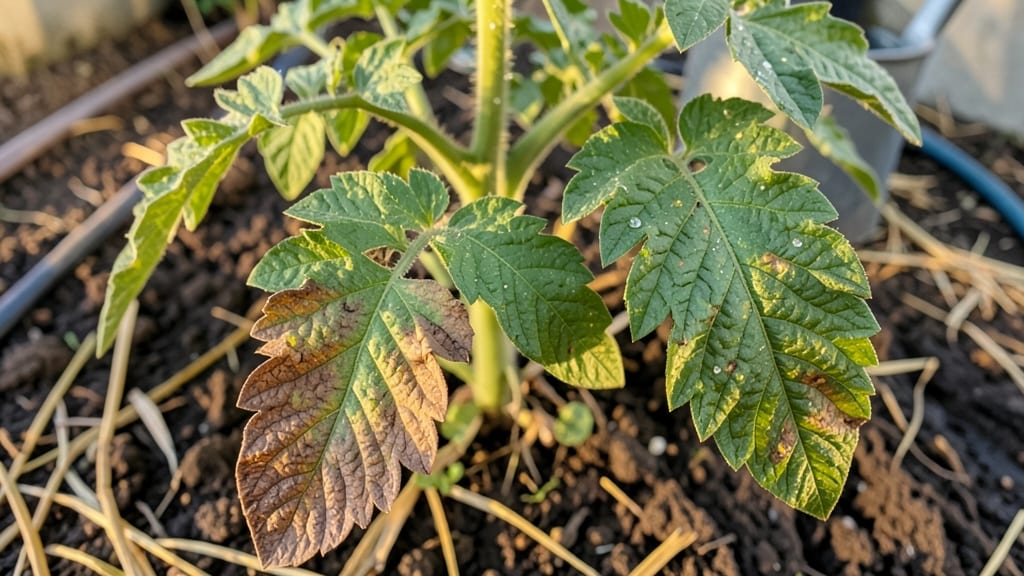
The bottom of your tomato plants turning brown isn’t just an eyesore—it’s a warning sign your harvest could be at risk. 🌱 I’ve saved multiple seasons of tomatoes from this exact problem, and the copper spray method works faster than anything I’ve tried, even when blight or rot has already set in.
Most gardeners assume it’s overwatering or blight, but the real culprits are often hidden: fungal spores in soggy soil, pests chewing roots, or even nutrient deficiencies hiding under the surface.
The key is acting fast—once those brown patches spread upward, your fruit yield takes a hit. Copper spray kills fungi on contact while being safe for plants and pollinators.
You’ll see new green growth within 3-5 days of treatment, and the plants will bounce back stronger than ever. The best part? This method prevents future issues too, so your tomatoes stay healthy all season.
Just mix the spray right, apply it at dawn or dusk, and keep the soil just damp—not soggy.
Works for both container and in-ground plants, and you can use it as a preventative spray every 7-10 days during wet seasons. Let’s get those plants back to producing like champions!
Root Causes Behind Browning Bottoms
When the bottom of your tomato plants turns brown, it’s often a cry for help from the roots—or even the soil itself. Understanding the science behind these symptoms can help you diagnose the issue accurately and take targeted action.
Let’s break down the most common reasons your tomato plants are showing these distress signals, from hidden pests to environmental stressors.
Tomatoes thrive in well-drained soil, but when roots sit in soggy conditions, they suffocate and rot. Overwatering or compacted soil traps excess moisture, cutting off oxygen to the roots. This leads to anaerobic conditions, where harmful bacteria and fungi like Pythium or Phytophthora multiply, causing root rot.
The browning at the base is often a sign of root decay spreading upward.
Key signs to watch for:
- Soil that stays muddy or waterlogged for days after watering.
- Wilting despite moist soil (a classic sign of root stress).
- A foul, rotten smell near the base of the plant.
Why it happens: Tomato roots need aeration to absorb nutrients efficiently. When soil is waterlogged, roots can’t respire properly, leading to cellular damage and browning. Even "well-draining" soil can become problematic if amended incorrectly (e.g., too much clay or organic matter without sand/perlite).
Underground pests like root-knot nematodes, cutworms, or grubs can gnaw away at tomato roots, leaving them vulnerable to disease and unable to absorb water. Nematodes, in particular, create galls (lumpy growths) on roots, restricting nutrient flow. As roots degrade, the plant weakens, and browning appears at the base.
Key signs to watch for:
- Stunted growth despite good care.
- Visible holes or chewed roots when you gently dig around the base.
- Sluggish performance even in ideal conditions.
Why it happens: Pests thrive in warm, moist soil and often go unnoticed until damage is severe. Nematodes, for example, inject toxins that disrupt root function, while cutworms sever roots entirely. Without intervention, the plant’s ability to transport water and nutrients collapses, leading to browning.
Pathogens like early blight, late blight, or southern blight often start at the soil line and creep upward. These infections thrive in humid, warm conditions and attack weakened roots or stems.
Fungal spores (e.g., from Sclerotium rolfsii) create white, cottony mats at the base, while bacterial wilt (Ralstonia solanacearum) clogs vascular tissue, turning stems brown and mushy.
Key signs to watch for:
- Dark, sunken lesions on stems near the soil.
- White fungal growth or mold at the base.
- Rapid wilting even after watering (bacterial wilt spreads quickly).
Why it happens: Fungi and bacteria spore in moist environments, especially after rain or overhead watering. Poor air circulation (e.g., crowded plants) or old plant debris provide perfect breeding grounds. Once established, these pathogens block nutrient transport, causing browning and collapse.
Extreme temperatures—whether frost damage or heat stress—can shock tomato roots. Cold snaps cause root freeze damage, turning tissues black or brown as cells rupture. Meanwhile, heatwaves (especially above 90°F) can scorch roots, reducing their ability to absorb water.
Even soil salinity (from fertilizers or tap water) can burn roots over time.
Key signs to watch for:
- Browning after a sudden temperature drop or heatwave.
- Crispy or brittle stems at the base.
- Slow recovery even after adjusting care.
Why it happens: Roots are sensitive to temperature swings. Cold locks out water, while heat denatures enzymes critical for nutrient uptake. Salinity disrupts osmotic balance, forcing roots to expend energy just to survive—leading to browning as a last resort.
While tomatoes need nitrogen, phosphorus, and potassium, imbalances—especially excess salt (from fertilizers) or lack of calcium—can stress roots. Blossom end rot (a calcium deficiency) often starts at the plant’s base before moving upward. Meanwhile, over-fertilization (especially with synthetic nitrogen) can "burn" roots, turning them brown and brittle.
Key signs to watch for:
- Yellowing leaves paired with brown stems.
- Slow growth despite frequent watering.
- White crust on soil surface (sign of salt buildup).
Why it happens: Roots need balanced nutrition to function. Too much salt disrupts water absorption, while calcium deficiencies weaken cell walls. Even "organic" fertilizers can overdo it—always follow soil test recommendations to avoid toxicity.
Root damage from rough handling (e.g., transplant shock) or planting too deep can suffocate stems, leading to browning. If the stem is buried underground, it can’t develop properly, creating a weak point for disease or rot. Even weed competition steals moisture and nutrients, stressing roots indirectly.
Key signs to watch for:
- Browning at the soil line after transplanting.
- Stems that appear girdled or constricted.
- Nearby weeds choking the plant’s roots.
Why it happens: Tomato stems need air exposure to harden and develop. Burying them too deep or damaging roots during transplanting stunts growth, leaving the plant vulnerable to pathogens. Weeds also compete for resources, starving roots of the water and nutrients they need.
Pro Tip: 💡 Before treating, dig up a small section of root to inspect for pests, rot, or damage. A healthy root system should be white or light tan—brown, mushy, or hollow roots confirm the problem!
Revive Your Tomato Plants Now
The good news? A browned tomato plant base doesn’t mean your harvest is doomed. With the right approach, you can nurse your plants back to health and even prevent future issues. Below, we’ve mapped out practical fixes for each common cause of browning—plus prevention tips to keep your tomatoes thriving.
If your plant’s base is mushy, discolored, or oozing, it’s likely early blight or bacterial wilt. Act fast!
🍳 Step 1: Prune the Damage
- Use sterilized pruners (wipe with rubbing alcohol) to cut off all brown, wilted, or spotted leaves and stems—especially near the soil.
- Remove debris immediately to prevent spores from spreading.
👨🍳 Step 2: Apply a Copper-Based Fungicide
- Mix 1 tsp baking soda + 1 quart water + a few drops of dish soap (for adhesion) and spray every 7–10 days for mild cases.
- For severe infections, use a store-bought copper fungicide (like Copper Soap or Cheshunt Compound). Follow label instructions—usually 1–2 sprays per week until symptoms fade.
🥘 Step 3: Boost Airflow & Light
- Space plants 18–24 inches apart to improve airflow.
- Remove lower leaves touching the soil to reduce humidity (fungi love dampness).
- Water at the base (not overhead) and early in the day so foliage dries quickly.
⏰ Prevention Tips: ✅ Rotate crops—don’t plant tomatoes in the same spot yearly (fungi linger in soil). ✅ Solarize soil in winter: Cover beds with clear plastic for 4–6 weeks to kill pathogens. ✅ Use mulch (straw or grass clippings) to keep soil dry but avoid piling it against stems.
If the base feels soft, smells foul, or the plant wobbles easily, root rot is the culprit—usually from overwatering or poor drainage.
🔪 Step 1: Stop Watering Immediately
- Let the soil dry out completely for 2–3 days before watering again.
- Check drainage: If water pools in saucers or containers, add perforations or gravel at the bottom.
💡 Step 2: Adjust Watering Habits
- Water deeply but infrequently—aim for 1–1.5 inches per week (including rain).
- Use drip irrigation or soaker hoses to deliver water slowly at the base.
- Avoid wet foliage—water in the early morning so leaves dry by evening.
🌱 Step 3: Revive the Roots (If Early-Stage Rot)
- Mix 1 part hydrogen peroxide (3%) with 4 parts water and pour slowly into the soil to oxygenate roots.
- Add compost or worm castings to improve soil structure and microbial activity.
🎯 Prevention Tips: ✅ Use well-draining soil: Mix 50% potting soil + 50% perlite or coco coir. ✅ Raise containers on pot feet or bricks to prevent waterlogging. ✅ Plant in mounds—create a small hill for seedlings to encourage root growth above soggy soil.
Brown, crispy bases with yellowing leaves or stunted growth? Your plants may be starving or suffering from soil compaction.
🔥 Step 1: Test & Amend Soil
- DIY soil test: Grab a handful of moist soil—if it smells like chemicals or feels hard, it’s compacted.
- Loosen soil with a fork or add organic matter: Mix in compost, aged manure, or coconut coir to improve aeration.
💪 Step 2: Fertilize Correctly
- For nitrogen deficiency (yellow lower leaves): Use a balanced fertilizer (like 10-10-10) or fish emulsion.
- For potassium deficiency (brown edges): Apply wood ash or banana peel tea.
- Avoid over-fertilizing—burnt roots worsen browning!
🥗 Step 3: Support Weak Plants
- Stake or cage tomatoes to prevent stems from touching wet soil.
- Mulch with straw (2–3 inches thick) to regulate soil temp and retain moisture.
✨ Prevention Tips: ✅ Side-dress with compost mid-season for a slow nutrient boost. ✅ Avoid synthetic fertilizers early in the season—they can scorch roots. ✅ Rotate crops to prevent nutrient depletion.
Pro Tip: 💡 Copper spray isn’t just for blight! Mix 1 tbsp copper sulfate + 1 gallon water and spray weekly as a preventative for fungal issues—especially in humid climates. Just avoid spraying in direct sunlight to prevent leaf burn.
Frequently asked questions
Why does the base of my tomato plant turn brown suddenly?
Sudden browning at the base usually signals root rot, fungal infection (like early blight), or overwatering. Check for mushy stems, foul smells, or dark spots—these confirm rot or disease. If the soil stays soggy for days, roots suffocate and turn brown from lack of oxygen.
Can I save a tomato plant if the bottom is already brown and mushy?
Yes, but act fast! Prune all brown stems with sterilized tools, stop watering for 2-3 days, and improve drainage. For fungal issues, apply a copper fungicide (like baking soda spray) every 7-10 days. If rot is severe, the plant may not recover—but new growth often appears within 5-7 days of treatment.
How do I tell if my tomato plant has root rot vs. blight?
Root rot causes soft, foul-smelling stems that wilt even when soil is moist, while blight shows dark, dry lesions with white fungal mats. Dig gently—healthy roots are white, but rotten ones are brown/mushy. Blight spreads upward; rot stays at the base. Pro tip: Blight thrives in humidity, while rot loves waterlogged soil.
Will copper spray harm my tomato plants if used too often?
No, when used correctly! Copper is safe for plants but apply early morning/dusk to avoid leaf burn. Never spray in direct sunlight. For prevention, use every 7-10 days during wet seasons. Overuse won’t harm plants—it’s the UV exposure that causes issues, not the copper itself.
Can I still harvest tomatoes from a plant with a brown base?
Yes, but prioritize ripe, healthy fruit first—the plant may struggle to produce more. Remove all browned stems to redirect energy. If the base is severely damaged, the plant may stop fruiting, but existing tomatoes can still ripen. Just avoid overwatering to prevent further stress.