
Planting
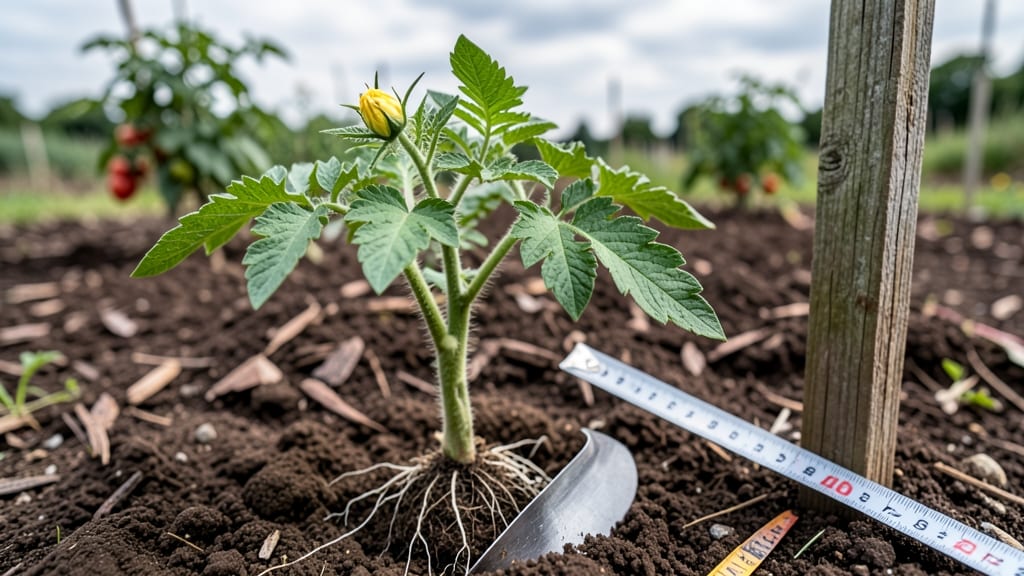
The ideal planting depth for tomato plants by root type
Getting the planting depth right for your tomato plants is more than just sticking them in the ground—it’s about understanding their root systems and growth habits. Determinate and indeterminate tomatoes have different needs, and planting too shallow or too deep can lead to weak stems, poor yields, or even disease.
Let’s break down the science-backed approach for both types, so you can give your plants the best start possible.
The key to successful tomato planting lies in the stem burial depth and how it interacts with the plant’s root system. For most gardeners, the rule of thumb is to bury about one-third of the stem (around 1.5–2 inches deep) to encourage strong root growth.
However, this isn’t a one-size-fits-all solution—determinate and indeterminate varieties respond differently to soil depth, and improper techniques can actually harm your plants.
Here’s the breakdown: determinate tomatoes (like Roma or Celebrity) grow to a fixed height and produce fruit all at once, while indeterminate varieties (such as Sungold or Beefsteak) keep growing and producing fruit until frost.
Their deeper root systems and taller growth mean they need a slightly different approach to planting depth, especially when using the trench method for support.
For visual learners, imagine a planting depth guide that uses everyday objects for reference. A good rule is to bury your tomato stem to the depth of a quarter or a pencil—this ensures the right amount of stem is covered without suffocating the plant.
But again, this varies by variety, so let’s dive into the specifics.
Below is a summary table that outlines the ideal planting depth for both determinate and indeterminate tomatoes, including the trench method for indeterminate varieties. This will help you make an informed decision based on your specific tomato type and growing conditions.
| Tomato Type | Root System | Ideal Planting Depth | Stem Burial Method | Notes |
|---|---|---|---|---|
| Determinate | Shallow, fibrous | 1–1.5 inches deep | Bury 1/3 of stem | Compact growth; no need for deep trenches. |
| Indeterminate | Deep, spreading | 1.5–2 inches deep | Bury 1/3 of stem or use trench method | Encourages stronger roots for tall vines. |
| Both Types (Trench Method) | Deep root encouragement | 2–3 inches deep in trench | Plant at base of trench, mound soil around stem | Best for indeterminate; improves stability. |
The trench method is especially useful for indeterminate tomatoes, which can grow several feet tall and need extra support. By creating a shallow trench (about 6–8 inches deep and 12–18 inches wide), you can plant your tomato at the base of the trench and mound soil around the stem.
This technique encourages the plant to develop a stronger root system while also providing stability for its tall, vine-like growth.
When using the trench method, bury the stem up to the first set of leaves (about 1.5–2 inches deep) and then fill the trench with soil, leaving the top of the trench level with the ground.
This creates a natural rooting zone that helps the plant establish itself quickly. Over time, the soil in the trench will settle, and you can add more soil or mulch to maintain the depth.
One common mistake is planting tomatoes too shallow, which can lead to weak stems and poor anchorage. If your plant is already in the ground too shallow, you can gently loosen the soil around the base and add more soil to bury an additional inch or two of the stem.
Be sure to water thoroughly after adjusting the depth to help the plant recover and encourage new root growth.
On the flip side, planting too deep can suffocate the stem and prevent it from developing properly. If you’ve accidentally buried too much of the stem, you can carefully dig around the base and expose the excess soil, leaving only about 1–2 inches of stem buried.
This might slow the plant’s initial growth, but it will recover over time with proper care and watering.
For container-grown tomatoes, the same depth rules apply, but you’ll need to ensure your pot is deep enough to accommodate the root system. A container with at least 12–18 inches of depth is ideal for indeterminate varieties, while determinate tomatoes can thrive in slightly shallower pots (10–12 inches deep).
Always use well-draining soil and consider adding compost to improve root development.
Remember, the goal is to create a balance between stem burial and root exposure. By following these guidelines, you’ll give your tomato plants the best chance to grow strong, produce abundant fruit, and resist common diseases like blight or root rot. Happy planting! 🌱
Common planting depth mistakes and how to fix them
Even experienced gardeners sometimes struggle with tomato planting depth, leading to weak stems, stunted growth, or even plant death. The most common mistakes involve either burying too much stem or leaving too much exposed. These errors disrupt the plant's natural ability to develop strong root systems and support structures.
Let's tackle the 5 most frequent planting depth mistakes and provide step-by-step fixes. Whether you're dealing with determinate or indeterminate varieties, these corrections will help salvage your plants and set them up for success.
⚠️ Critical Tomato Planting Depth Warning
Never bury more than 1/3 of the stem—this can cause rot or stem girdling. For indeterminate varieties, burying too deep also risks suffocating the plant's natural growth points. The ideal depth is 1.5–2 inches deep, measured from the soil line to the lowest leaves.
Use this rule of thumb: Plant seeds 1/4 inch deep (about the size of a dime) and seedlings 1/3 of their stem depth (about 2 inches).
One of the most damaging errors is over-planting, where gardeners bury too much of the stem. This often happens when trying to stabilize tall seedlings in windy conditions. The result? Stem rot and weakened structural support.
To fix this, carefully expose the buried stem by gently loosening the soil around the base and replant at the correct depth.
On the flip side, under-planting exposes too much stem, leading to leggy growth and poor root development. If you've already planted too shallow, create a soil mound around the base of the plant, gradually increasing the depth over 1–2 weeks.
This gives the plant time to adjust while still encouraging deeper root growth.
Another critical mistake is improper stem burial, where leaves end up below the soil line. This can trap moisture and cause fungal diseases. If you've already made this error, trim affected leaves and replant correctly, ensuring only the stem (not leaves) is buried.
Always leave the lowest set of leaves above soil level to prevent rot.
For container-grown tomatoes, depth mistakes are especially common due to limited space. If your plant is too deep, carefully remove excess soil from the sides and reposition the root ball at the correct level.
For under-planted container tomatoes, add lightweight potting mix around the base to increase stability without suffocating roots.
Finally, skipping soil amendments before replanting can worsen depth-related issues. Always loosen the soil around the base and mix in compost or worm castings to encourage root expansion. Water deeply after correcting the depth to help the plant establish in its new position.