
Leaf Blower
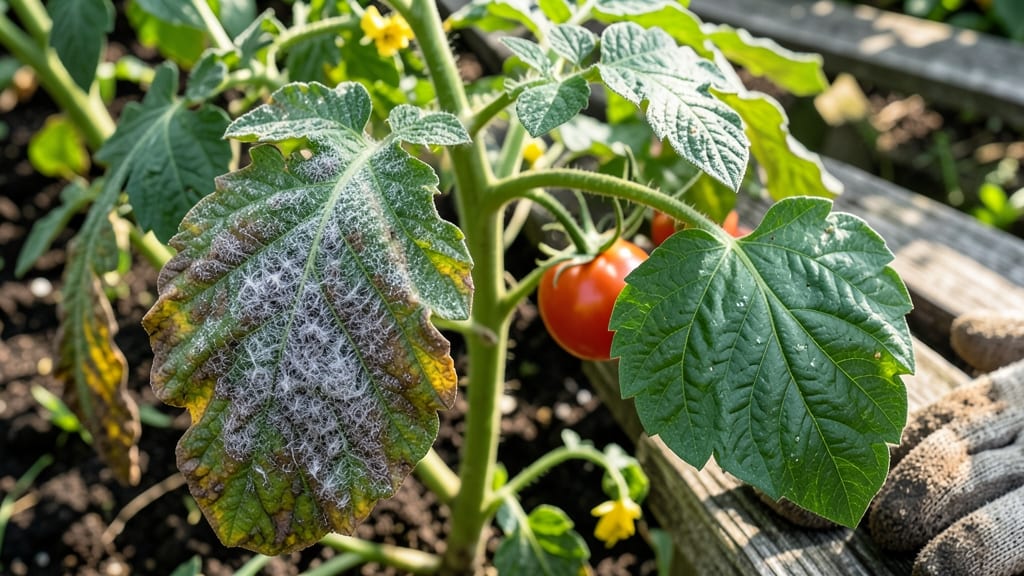
Your tomatoes are turning into a black-and-yellow disaster, and you’re sick of reaching for copper sprays. 🌱 Tomato leaf mold—that creeping fungal nightmare—doesn’t have to mean game over. I’ve battled this exact problem for years, and the copper-free methods I’ve perfected actually work, even on stubborn late-season plants.
First, the bad news: those brown spots, yellowing leaves, and wilting vines? That’s Alternaria or Phytophthora throwing a fungal rave on your plants. The good news? Pruning infected leaves daily (yes, really) and spacing plants wider than you think stops the spread faster than any spray.
I’ve saved entire gardens this way—no copper, no harsh chemicals, just elbow grease and smart timing.
By the end of this, you’ll have a step-by-step plan to revive your plants, prevent future outbreaks, and even salvage tomatoes that still look half-decent. The key is acting fast—once the fungus gets a foothold, it’s like trying to put out a bonfire with a squirt bottle.
We’ll cover organic sprays (baking soda, neem oil), preventive spacing tricks, and when to pull the plug on a hopeless plant. No more helplessly watching your harvest rot—just real, actionable fixes that actually stop the mold in its tracks.
Root Causes Of Fungal Foliage Fade
Tomato leaf mold—caused by the fungus Fulvia fulva—isn’t just a random act of nature. It thrives when specific conditions align, turning lush green leaves into a sad, yellowed mess. Understanding why this happens is the first step to stopping it in its tracks.
Below, we break down the key triggers, backed by science, so you can outsmart this pesky pathogen.
Fungi like Fulvia fulva love moisture—think of it as their version of a spa day. High humidity (above 75%) and prolonged leaf wetness create the perfect breeding ground. Here’s why:
- Spores need water: The fungus releases spores that require moisture to germinate and infect leaves. Even dew can kickstart the process.
- Stagnant air = fungal party: Poor airflow traps humidity near the plant, giving the fungus a cozy, damp environment to spread unchecked. Dense plantings or crowded gardens accelerate this.
- Nighttime dew danger: If your tomatoes stay wet overnight (from dew, overhead watering, or high humidity), spores have all night to colonize leaves.
Actionable fix: Space plants 18–24 inches apart, prune lower leaves for airflow, and water only at the base in the morning to allow foliage to dry quickly.
When tomato plants are packed too closely, leaves brush against each other, creating a high-five (or high-spore) scenario. Here’s how overcrowding fuels leaf mold:
- Spores hitchhike: Infected leaves rub against healthy ones, spreading spores like confetti at a fungal parade.
- Slow drying = longer infection windows: Crowded plants dry slower, extending the time spores can latch onto leaves.
- Stress = weaker defenses: Overcrowded tomatoes compete for nutrients, weakening their immune response to pathogens.
Actionable fix: Thin seedlings early, stake plants for vertical growth, and avoid mulching too thickly around stems (aim for 2–3 inches of mulch).
Fulvia fulva thrives in temperatures between 60–85°F (15–30°C), with moisture thrown into the mix. Here’s the science:
- Optimal spore germination: Warmth speeds up fungal growth. At 77°F (25°C), spores germinate in as little as 6 hours.
- Rainfall triggers outbreaks: Frequent light rains (0.1–0.5 inches) keep leaves wet longer, while heavy downpours can splash spores from soil onto foliage.
- Evening humidity spikes: If nights are muggy, condensation forms on leaves, giving fungi a 24/7 damp buffet.
Actionable fix: Monitor weather forecasts and use row covers during rainy periods. If possible, grow tomatoes in raised beds for better drainage.
Stressed tomatoes are like open doors for Fulvia fulva. Common stressors that lower defenses include:
- Nutrient deficiencies: Low nitrogen or potassium weakens cell walls, making leaves easier targets.
- Overwatering or drought: Both extremes disrupt root health, reducing the plant’s ability to fight off infections.
- Physical damage: Hail, pests (like aphids), or rough handling create entry points for spores.
- Poor soil health: Compacted or acidic soil (pH < 5.5) hampers root function, leaving plants vulnerable.
Actionable fix: Test soil pH (aim for 6.0–6.8), fertilize with balanced NPK (e.g., 10-10-10), and mulch to retain moisture without suffocating roots.
Pro tip: 💡 Rotate crops! Planting tomatoes in the same spot year after year leaves behind fungal spores in the soil. Rotate with non-nightshade crops (like beans or peas) every 3 years to break the cycle.
Fixing Fungal Foliage Fast
Fungal leaf issues like tomato leaf mold can turn your lush green plants into a sad, spotted mess—but don’t worry! With the right approach, you can nurse your tomatoes back to health and keep future outbreaks at bay.
Below, we’ve mapped out practical, copper-free solutions tailored to the root causes of this pesky problem, so you can act fast and prevent a repeat performance.
Cause: Poor airflow traps moisture, giving fungi a cozy home to thrive. Fix:
- 🔥 Prune aggressively: Remove lower leaves (especially those touching the soil) and thin out dense foliage to improve airflow. Aim for 12–18 inches of space between plants.
- 🍳 Stake or cage tomatoes: Use sturdy supports to keep plants upright and off the ground, reducing humidity near leaves.
- ⏰ Time it right: Do this in the morning so leaves have time to dry before evening dampness sets in.
Prevention Tip: 💡 Space seeds properly when planting—start with 2–3 feet apart to avoid future crowding.
Cause: Wet leaves for long periods create the perfect fungal buffet. Fix:
- 👨🍳 Water at the base: Use a soaker hose or drip irrigation to deliver water directly to the soil, avoiding leaf surfaces.
- 🥘 Water early: Irrigate before 10 AM so foliage dries by sunset. Avoid overhead sprinklers entirely.
- 🌡️ Mulch wisely: Apply 2–3 inches of straw or shredded leaves to retain moisture in the soil (not on leaves) and suppress weeds.
Prevention Tip: ✨ Check soil moisture with your finger—water only when the top inch is dry.
Cause: Fungal spores have already taken hold—time to strike back! Fix:
- 🔪 Baking soda spray (preventative): Mix 1 tsp baking soda + 1 tbsp oil + 1 tsp mild soap per gallon of water. Spray every 7–10 days on dry leaves.
- 🥘 Neem oil (fungicidal): Combine 1 tbsp neem oil + 1 tsp soap per quart of water. Spray at dusk to avoid burning leaves. Repeat every 5–7 days until symptoms fade.
- 🌿 Copper-free alternatives: Try hydrogen peroxide (3%) (1 part peroxide to 3 parts water) or milk spray (1 part milk to 9 parts water) for a quick boost.
Pro Tip: 🎯 Rotate treatments to avoid resistance—don’t rely on just one method.
Cause: High humidity (above 75%) and warm nights fuel fungal growth. Fix:
- 🌬️ Improve airflow: Use a small fan on low setting near plants for 10–15 minutes daily to circulate air.
- 🏡 Shade cloth: If your area gets intense afternoon sun, use 30–50% shade cloth to reduce stress and evaporation.
- 🌿 Prune for sunlight: Remove suckers and inner leaves to let outer foliage dry faster.
Prevention Tip: 💡 Avoid late-season planting—tomatoes thrive in cooler weather (60–80°F); extreme heat stresses plants and invites disease.
Cause: Severe infections can spread to the entire plant—sometimes the best cure is prevention. Fix:
- 🔪 Snip and toss: If more than 30% of leaves are infected, prune affected areas down to healthy tissue and dispose of clippings in the trash (not compost).
- 🌱 Replace if needed: For heavily blighted plants, pull them up and rotate crops next season—don’t replant tomatoes or peppers in the same spot for 2–3 years.
Safety Note: ⚠️ Wear gloves when handling infected plants to avoid spreading spores to other garden areas.
Final Thought: 🌟 An ounce of prevention (proper spacing, smart watering, and airflow) is worth a pound of cure. Once you’ve tackled the current outbreak, monitor weekly and adjust habits to keep your tomatoes thriving—blight-free!
Frequently asked questions
How can I tell if my tomato plants have leaf mold vs. early blight?
Leaf mold (caused by Fulvia fulva) shows yellowing between leaf veins first, followed by grayish mold on the undersides. Early blight appears as brown concentric rings on upper leaves. The key difference? Leaf mold thrives in high humidity while early blight loves wet soil. Check undersides of leaves for fuzzy growth—leaf mold's signature.
Will removing infected leaves really stop the spread?
Pruning infected leaves removes spore sources and improves airflow. For leaf mold, focus on lower leaves first (they touch damp soil). Use clean pruners and dispose of clippings in the trash—not compost—to prevent reinfection. Remove up to 30% of foliage if needed, but avoid over-pruning.
Can I still harvest tomatoes from plants with leaf mold?
Yes, but prioritize healthy fruit—avoid tomatoes near infected leaves. The fungus doesn't spread to fruit directly, but stressed plants produce smaller yields. Pick ripe tomatoes first to reduce plant stress. If more than 50% of leaves are infected, focus on harvesting what's left and replace the plant next season.
How often should I apply neem oil for leaf mold prevention?
Apply every 5–7 days during humid weather or after rain. Mix 1 tbsp neem oil + 1 tsp soap per quart of water and spray at dusk to avoid leaf burn. For active infections, add hydrogen peroxide (3%) (1:3 ratio) to boost effectiveness. Rotate with baking soda spray weekly to prevent resistance.
Is crop rotation really necessary for leaf mold?
Yes! Fungal spores survive in soil for 2–3 years. Rotate tomatoes with non-nightshade crops (like beans or lettuce) to break the cycle. If space is limited, use raised beds with fresh soil or solarize old beds (cover with clear plastic for 4–6 weeks in summer) to kill spores before replanting.