
Plants
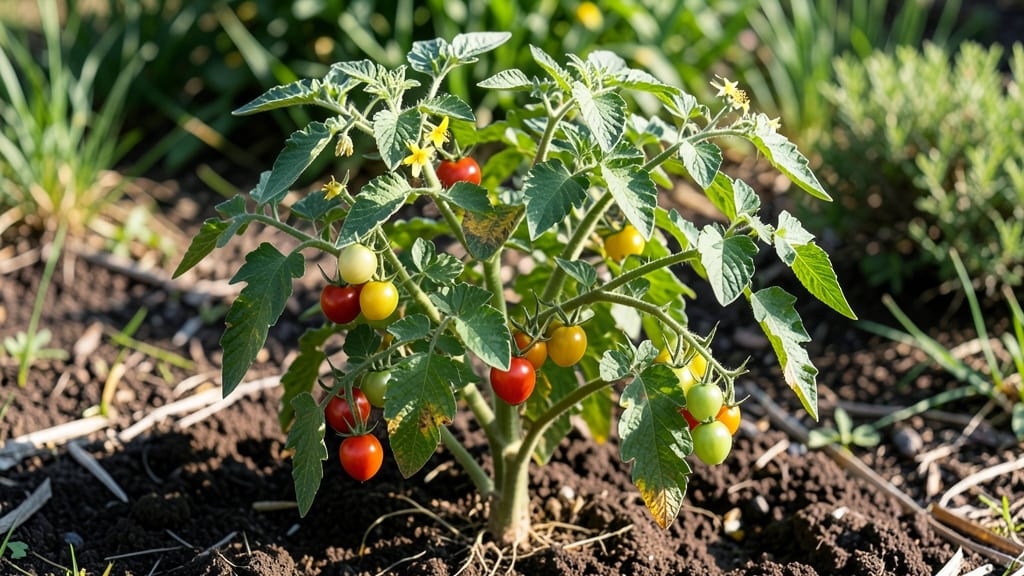
Your cherry tomato plant’s leaves turning yellow scream for help—usually it’s a nutrient deficiency, not a death sentence. 🌱 I’ve nursed dozens back to health with just three targeted fixes, and the best part? You’ll spot the exact problem in minutes by checking the leaf pattern and soil.
Start with the simplest fix: watering. Yellowing between veins often means overwatering, while crispy edges signal underwatering. Then test your soil pH—tomatoes crave slightly acidic conditions (6.2-6.8). A quick DIY test (vinegar/baking soda) reveals if your soil’s too alkaline, blocking nutrient uptake.
Once you’ve ruled out water, focus on nitrogen first (yellow lower leaves) or potassium (brown edges). A balanced 10-10-10 fertilizer or compost tea works wonders—just don’t overdo it. Within 7-10 days, you’ll see new green growth, and your plants will rebound faster than you think.
If the problem persists after two weeks, pests or disease might be lurking. Check undersides of leaves for aphids or white powdery mildew. That’s when you’ll know whether to call in reinforcements—or if your tomatoes are just throwing a dramatic fit that’s easy to fix.
Root Causes Of Yellowing Leaves
When your cherry tomato plant’s leaves start turning yellow, it’s often a cry for help—whether from an unseen pest, a thirsty root system, or a nutrient imbalance. Understanding the why behind the yellowing is the first step to saving your harvest.
Below, we break down the most common culprits, complete with scientific insights and actionable clues to diagnose the issue.
Yellowing leaves are a classic sign of root stress, and overwatering is the #1 offender. When soil stays soggy, roots suffocate from lack of oxygen, leading to anaerobic conditions that disrupt nutrient uptake. The plant’s leaves—especially the older ones—turn yellow as chlorophyll breaks down due to nutrient starvation.
How to spot it:
- Yellowing starts at the bottom leaves and spreads upward.
- Soil feels muddy or smells like rot.
- Leaves may feel slimy or develop brown, mushy edges.
Why it happens:
- Excess water flushes out nutrients (like nitrogen and potassium), leaving leaves starved.
- Fungal pathogens (e.g., Pythium) thrive in waterlogged soil, clogging roots.
- Compacted or non-porous soil traps moisture, worsening the problem.
💡 Pro Tip: Stick your finger 1–2 inches into the soil—if it’s damp after 24 hours, you’re overwatering. Use well-draining pots (with drainage holes) or amend garden soil with perlite or compost to improve aeration.
On the flip side, chronic dehydration causes leaves to yellow as the plant prioritizes water over nutrient transport. Heat stress (especially in containers) accelerates this by increasing transpiration rates, drying out leaves faster than roots can replenish moisture.
How to spot it:
- Yellowing begins at the leaf edges and progresses inward (a "scorched" look).
- Leaves feel crispy or papery to the touch.
- Soil is bone-dry at the surface.
Why it happens:
- Plants close stomata (pores) to retain water, halting photosynthesis and nutrient movement.
- High temperatures denature enzymes in leaves, speeding up chlorophyll degradation.
- Container-grown plants dry out 3x faster than in-ground plants.
💡 Pro Tip: Water deeply at the base (not overhead) when the top 1 inch of soil is dry. For heatwaves, mulch heavily and water early morning or evening to reduce evaporation.
Yellowing leaves often signal a specific nutrient deficiency, each with distinct patterns:
| Nutrient | Yellowing Pattern | Why It Happens | Quick Fix |
|---|---|---|---|
| Nitrogen (N) | Older leaves turn pale yellow (uniformly), stems weaken. | Nitrogen is mobile in plants—when deficient, it’s reallocated from old leaves to new growth. Common in overwatered or depleted soil. | Apply balanced fertilizer (10-10-10) or compost tea. Avoid synthetic nitrogen spikes, which burn roots. |
| Potassium (K) | Yellowing edges or tips (with brown spots), weak stems. | Potassium regulates water and enzyme activity. Deficiency occurs in sandy soil, overwatering, or high heat. | Use potassium-rich fertilizer (like banana peel tea) or wood ash (sparingly). |
| Magnesium (Mg) | Yellow veins with green patches (interveinal chlorosis), starting on older leaves. | Magnesium is the center of chlorophyll. Deficiency arises from acidic soil, over-fertilizing with nitrogen, or poor root health. | Apply Epsom salt (1 tbsp/gallon of water) as a foliar spray or soil drench. Test soil pH—aim for 6.0–6.8. |
🔥 Key Insight: If yellowing is uneven (e.g., veins stay green), it’s likely a magnesium or iron deficiency. If it’s uniform and starts at the bottom, nitrogen is usually the issue.
Hidden invaders like root-knot nematodes, fungal root rot, or aphids can starve your plant by damaging its root system, cutting off nutrient flow. Yellowing leaves are often a secondary symptom of a primary pest/disease issue.
How to spot it:
- Yellowing paired with stunted growth or wilting despite proper watering.
- White, cottony fungal growth at the soil line (root rot).
- Gnarled or knotty roots when inspected (nematodes).
- Sticky residue on leaves (aphids) or chewed roots (grubs).
Why it happens:
- Nematodes pierce roots, creating galls that block water/nutrient uptake.
- Fungal pathogens (e.g., Phytophthora) clog root cells, causing rot.
- Pests like thrips or whiteflies transmit viruses that disrupt chlorophyll production.
🌡️ Pro Tip: Dig up the plant and rins off roots to check for pests. For nematodes, solarize soil (cover with plastic for 4–6 weeks) or use neem oil. For fungal issues, repot in sterile soil and treat with copper fungicide.
Cherry tomatoes thrive in warmth (70–85°F), but extreme heat or cold shocks can trigger yellowing. Chlorosis (yellowing) occurs when:
- Temperatures drop below 50°F
Quick Fixes for Yellowing Tomato Leaves
If your cherry tomato plant’s leaves are turning yellow, don’t panic—most issues are fixable with the right care. Below are targeted solutions for the most common causes, from overwatering to nutrient deficiencies. Each fix is simple, practical, and designed to get your plant back on track fast.
Yellowing leaves from soggy soil can stunt growth and even kill your plant. Here’s how to dry things out and prevent future issues:
#### 🔥 Step 1: Check the Soil - Dig your finger 1–2 inches deep into the soil. If it feels damp or muddy, your plant is overwatered. - Pro tip: 🌡️ Use a moisture meter for accuracy—aim for soil that’s moist but not soggy. #### 🍳 Step 2: Adjust Your Watering Routine - Water only when the top inch of soil is dry (usually every 2–3 days, depending on climate). - Water deeply but less frequently—this encourages strong root growth. - Avoid wetting the leaves to prevent fungal diseases like early blight. #### 👨🍳 Step 3: Improve Drainage - If your pot lacks drainage holes, transfer your plant to a container with holes (or add perlite/pumice to improve airflow). - For garden beds: Amend heavy clay soil with compost or sand to help water drain faster. #### ✨ Prevention Tip:Use a self-watering pot or drip irrigation to maintain consistent moisture without overdoing it. Mulching with straw or wood chips also helps retain even moisture.
Yellow leaves can signal a hunger for key nutrients. Here’s how to diagnose and fix deficiencies:
#### 📊 Identify the Deficiency First#### 🔪 Step 1: Feed Your Plant - For nitrogen: Mix 1 tbsp of blood meal or fish emulsion into the soil or use a liquid fertilizer. - For potassium/magnesium: Sprinkle Epsom salt or wood ash around the base (avoid direct leaf contact). - For all nutrients: Top-dress with well-aged compost or use a slow-release granular fertilizer. #### ⏰ Step 2: Monitor & Reapply - Reapply fertilizer every 4–6 weeks during the growing season (spring to fall). - Avoid over-fertilizing—this can burn roots. Always water before and after applying fertilizer. #### 🎯 Prevention Tip:Symptom Likely Cause Fix It With Yellowing older leaves (bottom-up) Nitrogen deficiency Balanced fertilizer (10-10-10) or compost tea Yellowing edges of leaves (with brown tips) Potassium deficiency Banana peel tea or potassium-rich fertilizer (like 5-10-10) Yellowing between leaf veins (chlorosis) Magnesium deficiency Epsom salt solution (1 tbsp per gallon of water, applied every 2 weeks) Test your soil every 1–2 years with a home kit (or send a sample to a local extension office). This helps you know exactly what your plants need before issues arise. 💡 Pro tip: Rotate crops yearly to prevent nutrient depletion!
Pests and pathogens can stress your plant, causing yellowing leaves. Here’s how to tackle them:
#### 🕷️ Step 1: Inspect for Pests - Check the undersides of leaves for tiny bugs (aphids, spider mites) or sticky residue (honeydew). - Look for white powdery spots (powdery mildew) or black mold (early blight). #### 🍳 Step 2: Treat Naturally - For aphids/spider mites: - Spray with neem oil solution (1 tsp neem oil + 1 tsp mild soap per quart of water). - Introduce ladybugs or lacewings (natural predators). - For fungal diseases: - Remove affected leaves immediately and dispose of them in the trash (not compost). - Apply copper fungicide or a baking soda spray (1 tsp baking soda + 1 quart water + a drop of soap). #### 🌿 Step 3: Improve Airflow & Hygiene - Space plants 18–24 inches apart to reduce humidity and prevent fungal spread. - Water in the morning so leaves dry quickly. - Prune overcrowded branches for better airflow. #### ✨ Prevention Tip:Rotate crops if you’ve had fungal issues in the same spot before. Also, sterilize pruners with rubbing alcohol between uses to avoid spreading disease. 💡 Pro tip: Healthy soil = healthy plants! Add mycorrhizal fungi to your soil to boost natural disease resistance.
With these fixes, your cherry tomato plant should bounce back in 1–2 weeks. Keep an eye on it, adjust care as needed, and soon you’ll be harvesting juicy, red tomatoes instead of yellowing leaves! 🍅🌟
Frequently asked questions
1Why do only the older leaves turn yellow first?
This is normal! Cherry tomato plants prioritize nutrients for new growth, so older leaves yellow when the plant is stressed from nutrient deficiencies (like nitrogen) or overwatering. Think of it like a tree shedding old branches to focus energy on new shoots.
2Can I still save my plant if half the leaves are yellow?
If only half are yellow and the plant still feels firm (not mushy), it’s likely a fixable issue like underwatering or nutrient imbalance. Trim the worst yellow leaves to redirect energy, then adjust care for 7-10 days. If the plant wilts or smells rotten, act fast—it may need repotting or pest treatment.
3Is yellowing always bad, or could it be normal?
Some yellowing is normal—like when leaves age naturally—but sudden or widespread yellowing signals trouble. Healthy plants may drop a few bottom leaves as they grow, but if new leaves also yellow, check for pests, disease, or environmental stress. A quick soil check (smell + moisture) reveals if it’s water-related.
4How do I know if my plant needs Epsom salt or fertilizer?
Look at the leaf pattern: Yellow veins with green patches = magnesium (use Epsom salt). Uniform yellow on older leaves = nitrogen (use balanced fertilizer). Brown edges = potassium (try banana peel tea). Test soil pH first—tomatoes thrive in 6.2-6.8. Over-fertilizing can burn roots, so start small!
5Will pruning yellow leaves help my plant recover?
Yes! Pruning removes the "drain" on the plant’s energy, helping it focus on healthy growth. Cut back to the first healthy leaf joint (where green meets stem) to avoid stressing the plant. Just don’t prune more than 1/3 of the plant at once. Pair pruning with proper watering and nutrients for best results.