
Leaf Blower
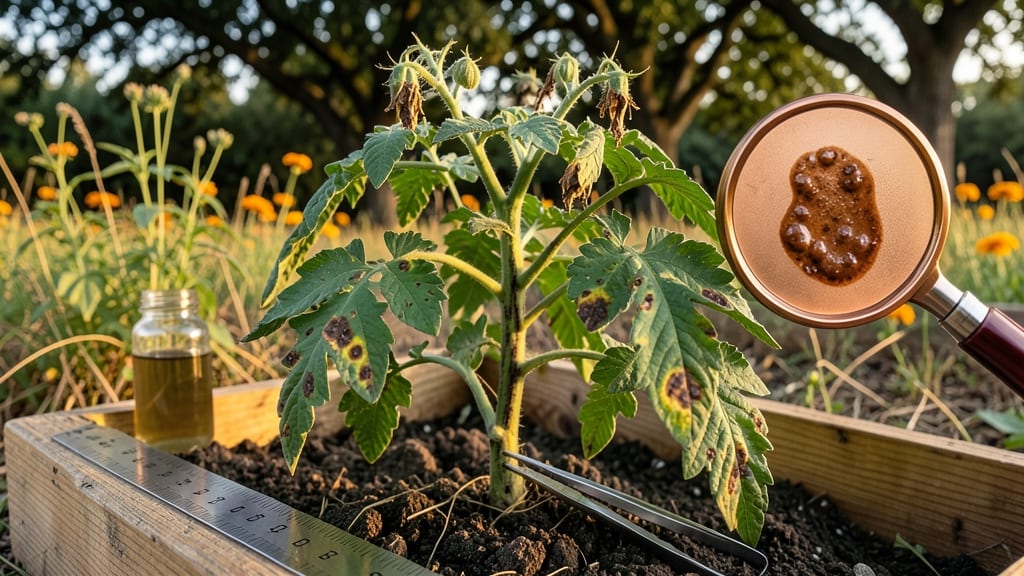
Your tomato plants are covered in dark spots that won’t quit—tomato leaf bacterial spot is the culprit, and copper spray is your best defense. 🌱 I’ve battled this stubborn disease for years, and I’ll show you how to stop it before it ruins your harvest.
The spots start small—tiny brown or black marks with yellow halos—but they multiply fast, especially in warm, wet weather. Pruning infected leaves early and spacing plants properly cuts down on humidity, making them less inviting to bacteria.
Copper spray works because it creates a protective shield on leaves, preventing new infections. By combining copper treatments with proper spacing and sanitation, you’ll keep your plants thriving. The key is acting fast—once the disease takes hold, it’s harder to reverse.
Your tomatoes will stay lush and productive all season long. This method works for both garden beds and containers, and it’s safe for organic gardens when used correctly. Let’s get those plants back to their best!
Root Causes of Leaf Spots
Understanding why your tomato leaves develop those unsightly bacterial spots is the first step to stopping them in their tracks. This stubborn disease doesn’t just appear out of nowhere—it thrives thanks to a mix of environmental conditions, pathogen behavior, and even gardening habits.
Let’s break down the key triggers that turn your lush tomato foliage into a spotted mess.
Bacterial spot (Xanthomonas perforans and X. gardneri) loves moisture—especially when it lingers on leaves. Here’s how it happens:
- Splashing Water: When you water from above (like with a hose or sprinkler), droplets splash bacteria from infected leaves, soil, or even nearby weeds onto healthy foliage. 💦 This is like giving the bacteria a free ride to new hosts. - Stagnant Moisture: Humidity above 70% (or prolonged leaf wetness) creates the perfect breeding ground.
Bacteria multiply rapidly in these conditions, weakening plant defenses. - Poor Airflow: Crowded plants or dense foliage trap moisture, preventing leaves from drying quickly. Stagnant air = bacterial buffet.
Actionable Fix:
- Water at the base (early morning) to avoid wetting leaves.
- Use drip irrigation or soaker hoses to keep foliage dry.
- Space plants 3–4 feet apart for better airflow.
Temperature and rainfall play a huge role in bacterial spot outbreaks. Here’s the science:
- Ideal Temperature Range: Bacteria thrive between 77–95°F (25–35°C). If your summer is hot and humid, you’re basically rolling out the welcome mat. ☀️💦 - Heavy Rainfall: Each 0.1-inch (2.5mm) of rain can increase bacterial spread by 20–30%.
Flooding or frequent downpours wash bacteria into plant tissues. - Sudden Temperature Shifts: Cool nights followed by scorching days stress tomatoes, making them more susceptible to infections.
Actionable Fix:
- Monitor local weather forecasts—if humidity is high, proactively spray copper fungicide (more on this later!).
- Choose disease-resistant varieties (like ‘Celebrity’ or ‘Mountain Merit’) if your climate is prone to bacterial spot.
Bacteria are sneaky survivors—they can hide in:
- Pruners, gloves, or stakes that haven’t been sanitized between uses.
- Infected plant debris (fallen leaves, stems) left in the soil or compost.
- Weeds or volunteer tomato plants acting as reservoirs for the bacteria.
How It Spreads:
- You prune an infected leaf with dirty shears.
- The bacteria hitch a ride to a healthy plant.
- Boom—new infection site.
Actionable Fix:
- Sanitize tools with 70% rubbing alcohol or a 10% bleach solution between uses.
- Remove and destroy infected leaves/debris immediately (don’t compost them!).
- Rotate crops—don’t plant tomatoes in the same spot year after year.
A weak tomato plant is an open invitation for bacterial spot. Common stressors include:
- Nutrient Deficiencies (especially potassium or calcium).
- Overcrowding (competing for light/nutrients).
- Physical Damage (hail, harsh pruning, or pests like aphids creating entry points).
Why It Matters: Stressed plants can’t fight off infections as effectively. Their cuticle weakens, making it easier for bacteria to penetrate leaf tissues.
Actionable Fix:
- Fertilize properly: Use a balanced 10-10-10 or tomato-specific feed with extra potassium.
- Prune for airflow—remove suckers and inner leaves to reduce humidity pockets.
- Support plants with cages or stakes to avoid soil-borne bacteria splashing up.
Did you know weeds and volunteer tomato plants can harbor bacterial spot even when they look healthy?
Here’s how: - Alternate Hosts: Some weeds (like nightshade or black nightshade) carry the same bacteria. - Seedborne Pathogens: If infected seeds sprout, they release bacteria into the soil. - Windborne Spread: Bacteria can hitch rides on wind from infected plants to your tomatoes.
Actionable Fix:
- Remove weeds within a 10-foot radius of your tomato patch.
- Test seeds (if saving your own) by soaking in water—floating seeds may be infected.
- Solarize soil (cover with clear plastic for 4–6 weeks in summer) to kill bacteria before planting.
Bacterial spot doesn’t disappear—it overwinters in:
- Infected plant debris in the soil.
- Contaminated compost or mulch.
- Surviving bacteria in cracks of pots or garden tools.
Result? Even if you removed all infected plants last season, the bacteria might still be lurking, ready to pounce on new growth.
Actionable Fix:
- Plant cover crops (like clover or buckwheat) in the off-season to outcompete bacteria.
- Solarize or fumigate soil in late summer to kill overwintering pathogens.
- Avoid planting tomatoes in the same spot for 3+ years.
Bacterial spot doesn’t strike alone—it’s usually a combo of wet conditions + stressed plants + poor hygiene. But here’s the good news: You can break the cycle by addressing just a few key factors (like watering habits, airflow, and sanitation).
Next up: How to stop the spread and protect your harvest with copper sprays and organic remedies. Stay tuned! 🍅✨
Practical ways to stop leaf spots
Now that you understand the root causes of those pesky bacterial spots on your tomato leaves, let’s tackle the fixes—before they ruin your harvest! 🌱🛡️ The good news?
Most solutions are simple, cost-effective, and prevent future outbreaks. Below, we’ve mapped the most common causes to their best fixes, plus proactive prevention tips to keep your plants thriving.
Bacterial spot thrives in wet conditions, so if your plants are drowning, it’s time to adjust.
How to Fix It: ✅ 💧 Adjust Your Watering Schedule
- Water deeply but less frequently—aim for 1–1.5 inches per week (including rain).
- Morning is best—wet leaves dry faster, reducing bacterial spread. Avoid evening watering.
- Use drip irrigation or soaker hoses to keep foliage dry (splashing spreads bacteria!).
✅ 🏗️ Improve Soil Drainage
- Amend heavy clay soil with compost or perlite to prevent waterlogging.
- Raise garden beds or plant in containers with drainage holes if drainage is poor.
✅ 🌡️ Mulch Smartly
- Use straw or wood chips (not plastic) to keep soil moist without trapping excess water.
- Keep mulch 2–3 inches away from stems to prevent fungal/bacterial buildup.
💡 Pro Tip: If your soil stays soggy for days, consider planting tomatoes in raised beds—they dry out faster and reduce bacterial risk.
Once spots appear, act fast to stop the bacteria from jumping to other plants.
How to Fix It: ✅ 🔪 Prune & Remove Damaged Leaves
- Snip off infected leaves (don’t compost them—bag and discard in the trash).
- Focus on lower leaves first, as they’re most vulnerable to splashing water.
✅ 🛡️ Apply Copper-Based Fungicides
- Copper spray (like Bordeaux mixture or copper hydroxide) is the gold standard for bacterial spot.
- Mix: 1 tbsp copper fungicide per gallon of water.
- Spray: Coat both sides of leaves and stems, especially undersides where bacteria hide.
- Frequency: Apply every 7–10 days or after heavy rain.
- Organic option: Neem oil (mix 1 tbsp per quart of water + a drop of dish soap) can help suppress bacteria (though it’s not a cure).
✅ 🚫 Quarantine Affected Plants
- If bacterial spot is severe, isolate infected plants 3–5 feet away from healthy ones.
- Avoid working with plants when they’re wet (bacteria spreads via tools and hands!).
⚠️ Warning: Never use copper spray when tomatoes are flowering or fruiting—it can harm pollinators and leave residue on fruit.
Healthy tomatoes fight infections better. Strengthen their defenses with these tweaks.
How to Fix It: ✅ 💪 Fertilize for Strength
- Reduce nitrogen (too much = soft, bacteria-loving leaves). Instead, use a balanced 10-10-10 or low-nitrogen fertilizer.
- Add compost or worm castings for natural resistance-boosting nutrients.
✅ 🌿 Rotate Crops & Clean Up
- Don’t replant tomatoes, peppers, or eggplants in the same spot for 3–4 years (bacteria lingers in soil).
- Sanitize tools with rubbing alcohol or bleach solution (1 part bleach to 9 parts water) between uses.
✅ 🌞 Optimize Airflow & Spacing
- Space plants 18–24 inches apart to improve airflow (bacteria thrives in humid, stagnant areas).
- Prune suckers to reduce leaf density—more airflow = less bacterial growth.
🎯 Prevention Power Move: Plant resistant varieties like ‘Mountain Merit,’ ‘Defiant PhR,’ or ‘Bush Early Girl’—they’re bred to tolerate bacterial spot better!
Stop bacterial spot before it starts with these habits:
- 🌧️ Avoid overhead watering—stick to drip irrigation or hand watering at the base.
- 🌡️ Monitor humidity—use a fan in greenhouses or prune for airflow in humid climates.
- 🧹 Clean up debris—remove fallen leaves and plant waste weekly to eliminate bacterial hiding spots.
- 🔄 Test soil pH—aim for 6.0–6.8; adjust with lime (to raise pH) or sulfur (to lower pH) if needed.
Final Thought: Bacterial spot is manageable—don’t let it stress you out! With consistent copper sprays, smart watering, and a little plant TLC, your tomatoes will bounce back stronger. 🍅💪 Stay vigilant, and you’ll be harvesting spot-free beauties in no time.
Frequently asked questions
What do tomato leaf bacterial spots look like at first?
Early signs include tiny, water-soaked spots (often 1/16-inch wide) that turn dark brown or black with yellow halos. These spots may merge as the disease progresses, creating larger necrotic areas. Look for them on the lower leaves first—they’re most vulnerable to splashing water.
How often should I apply copper spray for bacterial spot?
Apply copper fungicide every 7–10 days or immediately after heavy rain. For prevention, start spraying when plants are young and continue until harvest. Always apply in the early morning so the spray has time to dry before evening humidity sets in.
Can I still eat tomatoes with bacterial spot?
Yes, but focus on fruit that’s already formed before the spots appeared. Avoid tomatoes from heavily infected plants, as the bacteria can enter through leaf scars or cracks. Always wash tomatoes thoroughly before eating, and remove any leaves that touch the fruit during growth.
Will neem oil work as well as copper spray?
Neem oil can suppress bacterial spot but isn’t as effective as copper. Mix 1 tablespoon neem oil per quart of water with a drop of dish soap, and spray every 5–7 days. For best results, use it as a preventive measure alongside copper treatments during outbreaks.
How do I know if my tomato plants have bacterial spot or early blight?
Bacterial spot spots are tiny, water-soaked, and often have yellow halos, while early blight spots are larger, brown, and concentric (like target patterns). Bacterial spot spreads faster in warm, wet conditions, while early blight thrives in cooler, damp weather. Check the leaf undersides—bacterial spot often appears there first.