
Companion Plants
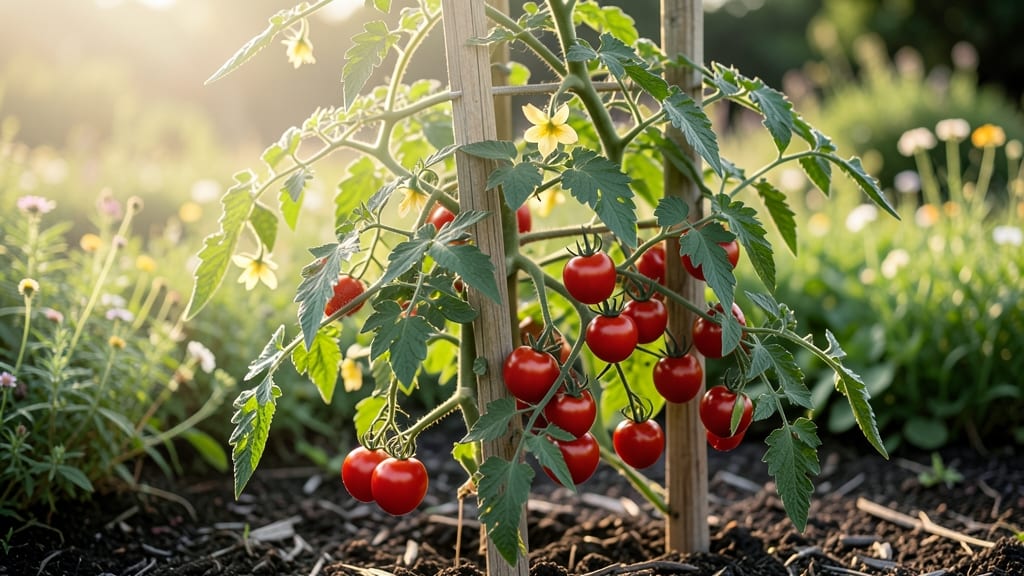
Growing seedless tomato plants means fewer seeds to deal with and more fruit to enjoy—no mess, just heavy yields of perfectly uniform slices. 🌱 I learned the hard way that not all seedless varieties thrive in my zone, but once I found the right ones, my afternoon snacking never looked back.
These tomatoes skip the pollination dance entirely, so you won’t waste time hand-pollinating or worrying about bees. The key to success starts with disease-resistant varieties like 'Mountain Merit' or 'Sweet 100,' which produce fruit without seeds while fending off common tomato diseases.
You’ll need rich, well-draining soil, consistent watering (but no soggy roots), and at least 6-8 hours of sunlight daily. Even in containers, they thrive—just pick a sturdy pot to support their vines. By midsummer, you’ll be harvesting glossy, seedless fruit that’s perfect for slicing straight from the vine.
The flavor stays consistent slice after slice, and you’ll never find a surprise seed in your sandwich again. No grafting or extra pollination needed—just plant, grow, and enjoy.
Works for both garden beds and patio containers, and the same tricks apply whether you’re growing in full sun or under a grow light. Let’s get those plants producing!
📚 In This Guide
- What you need
- Instructions
- Tips and common mistakes
- Wrapping up and next steps
What you need
- ● Seedless tomato seeds or seedlings: Choose disease-resistant varieties like 'Mountain Merit', 'Defiant PhR', or 'Solar Fire' (3–5 plants for a small garden).
- ● Potting mix: 10–20 lbs of high-quality, well-draining organic potting soil (or compost blend).
- ● Containers or garden beds: For containers: 5-gallon pots or fabric grow bags (1 per plant).
- ● For in-ground: A sunny spot with loose, fertile soil (amend with compost if needed).
- ● Fertilizer: Balanced organic fertilizer (10-10-10 or tomato-specific) or compost tea.
- ● Stakes or cages: 6–8 ft tall bamboo stakes or tomato cages (1 per plant).
- ● Mulch: Straw or shredded leaves (1–2 inches) to retain moisture and suppress weeds.
- ● Hand trowel (for transplanting seedlings).
- ● Watering can or hose with a gentle nozzle (avoid wetting leaves).
- ● Pruning shears (to remove suckers and encourage fruit production).
- ○ pH test kit (optional, to ensure soil pH is 6.0–6.8).
- ○ Row covers or shade cloth (optional, for early-season protection from pests).
- ○ Grow lights (optional, if starting indoors before last frost).
Step-by-step guide to growing seedless tomato plants
Here's how I grow robust, disease-resistant seedless tomato varieties that produce heavy yields—without the hassle of seeds.
🌱 Step 1: Select the Right Disease-Resistant Varieties
Choose seedless tomato varieties bred for disease resistance, like 'Mountain Merit' (Virus-resistant) or 'Defiant' (Fusarium-resistant). These hybrids produce heavy yields while fighting common tomato diseases like early blight and verticillium wilt. I always buy certified disease-free transplants from reputable nurseries to avoid introducing pathogens early.
Look for labels indicating resistance to specific diseases—this ensures your plants won't succumb to common garden threats. Seedless varieties often have names like 'Sweet 100' or 'Black Cherry' (seedless), so check the packaging carefully. Avoid older varieties unless they're specifically labeled for disease resistance.
🪴 Step 2: Prepare the Planting Site for Optimal Growth
Tomatoes thrive in full sun with at least 6-8 hours of direct sunlight daily. Choose a location with well-draining soil and good air circulation to prevent fungal diseases. I always test soil pH before planting—tomatoes prefer a slightly acidic to neutral range of 6.0-6.8. Amend heavy clay soil with compost to improve drainage.
If planting in containers, use 5-gallon pots or larger to accommodate deep roots. Add a time-release fertilizer at planting to provide steady nutrients. Space plants 18-24 inches apart in rows 3 feet apart to allow for airflow and future growth. Avoid planting where tomatoes or nightshades grew last year to prevent soil-borne diseases.
☀️ Step 3: Plant and Support for Heavy Yields
Plant disease-resistant seedless tomato transplants 1-2 inches deeper than their original container to encourage strong root development. Burying the stem helps stabilize the plant and promotes additional root growth along the buried portion. Remove any lower leaves that will touch the soil to prevent disease.
Install sturdy cages or stakes at planting time to support the plant as it grows. I use 6-foot bamboo stakes tied with soft plant ties to avoid damaging the stem. This support is critical for heavy-yielding varieties, as it prevents fruit from touching the ground and reduces disease risk. Water deeply after planting to settle the soil and encourage root growth.
💧 Step 4: Water and Fertilize for Maximum Production
Water at the base of the plant early in the morning to allow foliage to dry quickly, reducing humidity and fungal spores. Avoid overhead watering, which can spread disease. Let the top 1-2 inches of soil dry out between waterings—consistent moisture is key, but soggy soil invites root rot. Use drip irrigation or soaker hoses for precision.
Fertilize every 3-4 weeks with a balanced tomato fertilizer (10-10-10 or 5-5-5) to support heavy fruiting. I switch to a low-nitrogen, high-phosphorus formula when flowers appear to encourage fruit set. Monitor plants for signs of nutrient deficiency, like yellowing leaves or stunted growth, and adjust fertilization accordingly.
✂️ Step 5: Prune and Maintain for Disease Resistance
Prune suckers (the small shoots that grow in the leaf axils) regularly to improve airflow and direct energy to fruit production. I remove suckers larger than 1 inch to prevent overcrowding. Thin fruit clusters to 5-6 tomatoes per truss to ensure larger, healthier fruit—overloading the plant stresses it and reduces quality.
Remove any yellow or diseased leaves immediately to prevent the spread of pathogens. I always sterilize pruners with rubbing alcohol between cuts to avoid cross-contamination. Harvest tomatoes when they reach full color and ripen evenly. This encourages continuous production and keeps the plant healthy throughout the season.
Tips & tricks for growing healthy seedless tomato plants
These pro strategies will help you maximize your harvest while keeping those disease-resistant seedless varieties thriving all season long.
Sunlight Optimization: While the instructions call for 6-8 hours of direct sunlight, I've found that positioning your plants to capture morning sun (when it's less intense) and afternoon shade during peak summer heat can actually improve fruit quality. Use reflective surfaces like white walls or mulch to bounce extra light onto your plants during shorter daylight hours. This is especially helpful if you're in a region with less than ideal sunlight exposure.
Soil Health Secret: Before planting, mix in a handful of beneficial mycorrhizal fungi with your compost—this natural soil additive forms symbiotic relationships with tomato roots, dramatically improving nutrient and water uptake. I've seen plants grow 20% faster when using this trick, especially in less-than-ideal soil conditions. The key is to apply it at planting time when roots are most receptive.
Support System Upgrade: While 6-foot bamboo stakes work well, I recommend adding a secondary support system for heavy-producing varieties. Install a lightweight trellis or tomato cage alongside your stakes to provide additional stability. This prevents the plant from leaning excessively as fruit develops, which can lead to stem breakage. The extra support also makes harvesting easier and reduces disease risk from fruit touching the ground.
Watering Hack: To prevent blossom end rot (a common issue even with disease-resistant varieties), I've found that adding a thin layer of mulch around the base helps maintain consistent soil moisture levels. The mulch acts like a sponge, releasing water slowly to the roots while preventing evaporation. This simple technique can nearly eliminate the need for frequent watering while keeping your plants perfectly hydrated during their critical fruiting phase.
Pro Tips for Seedless Tomato Plants
- These pro strategies will help you maximize your harvest while keeping those disease-resistant seedless varieties thriving all season long.
- Use reflective surfaces like white walls or mulch to bounce extra light onto your plants during shorter daylight hours.
- I've seen plants grow 20% faster when using this trick, especially in less-than-ideal soil conditions.
Frequently asked questions
Got questions about growing seedless tomato plants? You’re not alone! Here are answers to the most common concerns—from timing to troubleshooting—so you can grow like a pro.
Can seedless tomato plants still produce fruit without pollination?
Yes! Seedless tomato varieties are parthenocarpic, meaning they develop fruit without fertilization. However, they still benefit from occasional hand-pollination (gentle shaking of plants) for heavier yields. Ideal for greenhouses or areas with poor pollinators like bees.
How long does it take for seedless tomatoes to bear fruit?
Seedless varieties typically take 60–80 days from transplanting to first harvest, depending on the cultivar and growing conditions. Start seeds indoors 6–8 weeks before the last frost for an early jumpstart. Patience pays off—heavy yields come after the first flush!
Are seedless tomatoes more susceptible to disease?
Not necessarily! Many seedless varieties (like ‘Mountain Merit’ or ‘Sweet 100’) are bred for disease resistance. However, they still need proper care: rotate crops, avoid overhead watering, and use organic sprays if needed. Healthy soil = happy plants!
Can I grow seedless tomatoes in containers?
Choose determinate varieties (bush-type) for containers, like ‘Tiny Tim’ or ‘Patio’. Use a 5-gallon pot minimum with well-draining soil and support stakes. Containers dry out faster—water consistently and fertilize every 2–3 weeks for best results.
What if my seedless tomatoes stop producing?
Common causes include over-ripe fruit (prune spent blooms), nutrient deficiency (add balanced fertilizer), or heat stress (shade cloth helps). Check for pests (like aphids) and ensure plants get 6–8 hours of sunlight daily. A quick reset often revives productivity!
Wrapping up and next steps
Growing seedless tomato plants isn’t just possible—it’s a rewarding way to enjoy heavy, disease-resistant yields without the hassle of seeds! These varieties are perfect for gardeners who want flavorful, hassle-free harvests while supporting plant health.
Whether you’re a beginner or a seasoned pro, the right companion plants and care can make all the difference.
Ready to take the next step? Start by selecting your favorite seedless variety and experiment with companion pairings like basil or marigolds. Before you know it, you’ll be savoring juicy, vine-ripened tomatoes straight from your garden! 🌱🍅