
Container Gardens
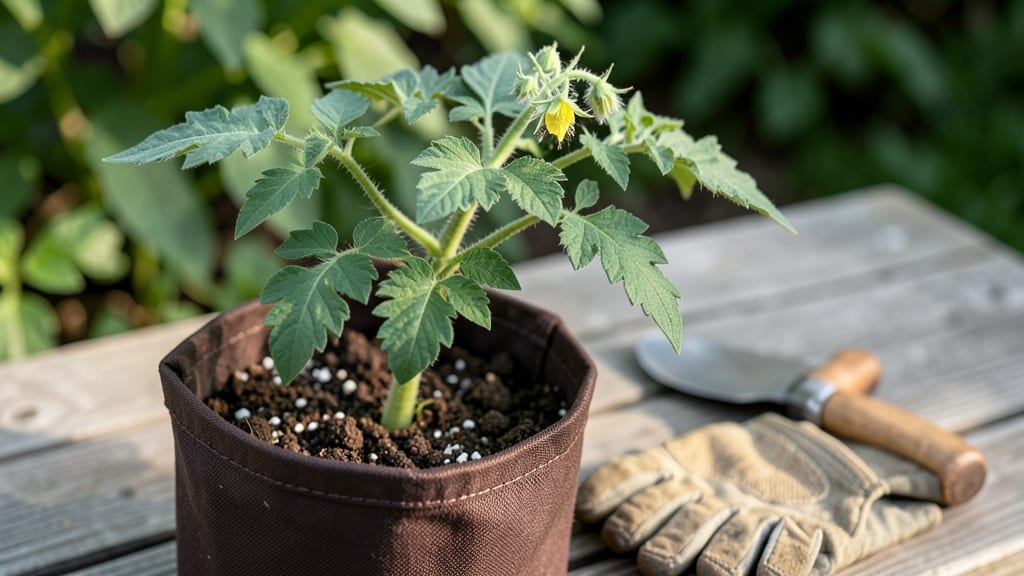
Planting tomato seeds in containers transforms tiny seeds into sun-ripened fruit on your patio—no backyard needed. 🌱 The secret lies in matching container size, soil warmth, and consistent moisture to what tomatoes crave.
My first attempt with flimsy 1-gallon pots ended in leggy, weak plants, but switching to 5-gallon containers changed everything: stronger roots, bigger yields, and fewer flops.
You’ll need 5-gallon pots or grow bags (with drainage holes), a high-quality seed-starting mix, and a sunny spot that gets 6+ hours of light daily. Skip the cheap soil—tomatoes need airy, nutrient-rich medium that won’t compact.
Plant seeds ¼ inch deep, two per pot, and keep the soil warm (70-80°F) for germination. A heat mat helps if your porch stays chilly.
Within 10-14 days, you’ll see tiny sprouts. Thin to the strongest seedling, then give it bright light and bottom-watering to avoid soggy soil. The key? Never let the top inch dry out, but don’t drown them—tomatoes hate wet feet.
By 6 weeks, your seedlings will be stocky and ready to handle real sun.
Common mistakes sink even eager gardeners: overcrowding (one plant per container!), poor drainage (drill holes if needed), and inconsistent watering. But with 5-gallon containers and this formula, you’ll outpace store-bought transplants—and end up with tomatoes so productive, your neighbors will ask for cuttings.
📚 In This Guide
- What you need
- Instructions
- Tips and common mistakes
- Wrapping up and next steps
What you need
- ● 5-gallon containers – At least 1 per tomato plant (use plastic, fabric, or wood with drainage holes). Size matters! Smaller containers (like 1-gallon) stunt growth.
- ● High-quality potting mix – Sterile, well-draining soil (avoid garden soil—it compacts and harbors pests). Look for mixes labeled "organic" or "container gardening blend." Quantity: ~1 bag (1.5–2 cubic feet) covers 4–6 containers.
- ● Tomato seeds – Heirloom or hybrid varieties suited for containers (e.g., 'Tiny Tim,' 'Patio,' or 'Balcony Red'). Pro tip: Start with 2–3 seeds per container to ensure germination.
- ● Drainage material – Pebbles, broken pottery, or recycled plastic to prevent root rot. Layer: 1–2 inches at the container’s bottom.
- ● Watering can or spray bottle – With a gentle nozzle for seedling care. Avoid overwatering!
- ● Plant labels – Markers + stakes to track varieties and planting dates.
- ● Trowel or small hand shovel – For digging holes and transplanting seedlings.
- ○ Seedling heat mat (optional) – Speeds up germination if your space is chilly (<60°F).
- ○ Grow lights (optional) – LED or fluorescent for 12–16 hours/day if natural light is <6 hours/day.
- ● Fertilizer – Balanced (10-10-10) or tomato-specific (apply 2 weeks after transplanting).
- ○ Support system (optional) – Cages, stakes, or trellises for indeterminate varieties (taller tomatoes).
- ○ Mulch (optional) – Straw or shredded leaves to retain moisture and suppress weeds.
Step-by-step instructions for planting tomato seeds in containers
Here's how I've fine-tuned container planting for maximum tomato yield—no overcrowding, no wasted space.
🌱 Step 1: Select and Prepare Your 5-Gallon Containers
Choose 5-gallon containers—this size gives roots room to spread while keeping plants manageable. I prefer fabric grow bags because they prevent root circling and allow excess moisture to evaporate through the walls. If using plastic, drill 3-4 drainage holes in the bottom and add a 1-inch layer of gravel for extra aeration.
Sterilize containers by soaking them in 1 part bleach to 9 parts water for 10 minutes, then rinse thoroughly. This prevents damping-off disease that can wipe out seedlings overnight. Fill each container ¾ full with a high-quality potting mix (never garden soil—it compacts and suffocates roots). I like to mix in ½ cup perlite per container to improve drainage.
🌱 Step 2: Plant Seeds at the Right Depth and Spacing
Plant 2-3 seeds per container at a depth of ¼ inch—any deeper and they’ll struggle to reach light. Use your finger to make small holes spaced 2 inches apart in the soil. Drop seeds in gently, then cover lightly with additional mix. The reason we plant multiple seeds is that germination rates vary—you’ll thin to the strongest seedling later.
Water gently with a spray bottle until the soil surface looks evenly moist but not soggy. Overwatering now can cause seeds to rot before they sprout. Place containers in a warm location (75-85°F)—a seedling heat mat speeds germination by 3-5 days. Expect sprouts in 7-14 days, depending on variety and temperature.
☀️ Step 3: Provide Optimal Light and Airflow for Seedlings
The instant seedlings emerge, move them to a south-facing window or under grow lights for 14-16 hours of light daily. Without enough light, seedlings stretch toward the sun (called "legginess") and become weak. I use a full-spectrum LED grow light positioned 2-4 inches above the plants—raise it as they grow to maintain that distance.
Once first true leaves appear (not the initial seed leaves), remove the weakest seedling, leaving only the strongest, straightest one per container. This prevents competition for nutrients. Thin carefully with scissors—never pull—to avoid disturbing roots. Place containers in a well-ventilated area to reduce humidity around seedlings, which prevents fungal diseases like damping-off.
🪴 Step 4: Fertilize and Support for Maximum Yield
When seedlings reach 4-6 inches tall, add a slow-release fertilizer (like 14-14-14) mixed into the top 1 inch of soil. This feeds roots as they grow deeper. Two weeks later, switch to a balanced liquid fertilizer (diluted to half strength) every 2 weeks to encourage lush growth. Tomatoes are heavy feeders, so consistent nutrients prevent blossom-end rot and improve fruit production.
Install tomato cages or stakes at planting time—not after—to avoid root damage. I use 5-foot bamboo stakes tied with soft twine and weave the main stem through as it grows. This support prevents sprawling and keeps fruit off the ground, reducing disease risk. Prune suckers (the small shoots in the leaf axils) regularly to direct energy into fruit production rather than foliage.
⏰ Step 5: Harden Off and Transplant Outdoors
Two weeks before your last frost date, start hardening off seedlings by placing them outside in a sheltered, shaded spot for 1-2 hours the first day. Gradually increase outdoor time by 1 hour daily until they’re spending full days outside. This acclimates them to wind, sun, and temperature fluctuations—skipping this step shocks plants and stunts growth.
Transplant outdoors on an overcast afternoon when temperatures are above 55°F. Bury containers up to their rims to stabilize them and protect stems from wind. Water deeply at the base to settle soil around roots. Mulch with 2 inches of straw to retain moisture and suppress weeds. Your tomatoes are now ready to thrive in their 5-gallon homes, producing abundant fruit all season long.
Tips & tricks for container-grown tomato success
A few smart moves will help you avoid common pitfalls and get the most out of your 5-gallon tomato containers.
Container Selection Strategy: Fabric grow bags are ideal, but if you're using plastic, add a 2-inch layer of gravel at the bottom instead of the 1-inch layer mentioned—this creates better drainage and prevents root rot. I've also found that adding 1-2 more drainage holes (for a total of 5-6) helps prevent waterlogging, especially in rainy climates. The extra aeration gives roots room to breathe and prevents that dreaded soggy soil smell.
Germination Optimization: That 75-85°F warm location is critical, but don't let your containers sit in standing water during germination. Place them on a tray with ½ inch of water underneath instead—this maintains humidity without overwatering. I've seen germination rates jump by 20% when using this method, especially with slower-starting heirloom varieties. The key is keeping the soil consistently moist but never waterlogged during those first 7-14 days.
Light Management: For the 14-16 hours of daily light, position your grow lights so they're 3-4 inches above seedlings when they're small, then raise them as plants grow. I use a simple clip-on LED bulb for small setups—it's affordable and provides full-spectrum light. Watch for leggy seedlings (stretched, thin stems) which means they need more light. If you notice this, immediately move them closer to the light source or increase light duration by 1-2 hours.
Transplanting Prep: When hardening off, I recommend adding a lightweight shade cloth (30-50% shade) during the first few days to protect seedlings from harsh afternoon sun. This gradual acclimation prevents sunburn on tender leaves. Also, bury containers halfway up their sides when transplanting—this stabilizes them and protects stems from wind damage while still allowing easy access to roots.
Pro Tips for Plant Tomato Seeds In Containers
- A few smart moves will help you avoid common pitfalls and get the most out of your 5-gallon tomato containers.
- Container Selection Strategy: Fabric grow bags are ideal, but if you're using plastic, add a 2-inch layer of gravel at the bottom instead of the 1-inch layer mentioned—this creates better drainage and prevents root rot.
- Germination Optimization: That 75-85°F warm location is critical, but don't let your containers sit in standing water during germination.
Frequently asked questions
Got questions?
Here are answers to the most common ones about growing tomatoes in containers—so you can skip the guesswork and get straight to juicy rewards!
What’s the best container size for tomato seeds?
For maximum success, use at least a 5-gallon container per plant. Larger containers (like 7+ gallons) support bigger varieties (e.g., beefsteak or heirlooms) and hold more soil moisture. Smaller pots (under 3 gallons) work for dwarf varieties but may limit yield and stability.
When is the ideal time to plant tomato seeds in containers?
Start seeds indoors 6–8 weeks before your last frost date (use a sunny windowsill or grow lights). Transplant seedlings outdoors when nighttime temps stay above 50°F (10°C) and all frost risk has passed. For warm climates, direct-sow seeds in containers 2–3 weeks after frost danger ends.
Can I reuse old containers or buckets for tomato seeds?
Yes! Just clean and disinfect them first with a 10% bleach solution (1 part bleach to 9 parts water) to kill pests/diseases. Drill drainage holes if missing—tomatoes hate soggy roots. Avoid treated wood or plastic that’s cracked/warped, as it can harbor mold or limit root growth.
Why are my container-grown tomato seedlings turning yellow or leggy?
Yellow leaves often signal overwatering, nutrient deficiency (like nitrogen), or poor drainage. Leggy seedlings need more light—move them closer to a sunny window or use a grow light (12–16 hours/day). For nutrients, use a balanced fertilizer (10-10-10) when true leaves appear, then switch to tomato-specific feed at transplanting.
How do I support tall tomato plants in containers without taking up space?
Use compact supports like:
- Cages: Choose 5-foot tall tomato cages (avoid flimsy wire—opt for sturdy plastic or metal).
- Trellises: Install a freestanding trellis or attach a wall-mounted trellis near your container.
- Stakes: Use bamboo or fiberglass stakes (6–8 feet tall) tied gently to the stem with soft plant ties.
Prune suckers (side shoots) to direct energy upward and reduce sprawl. Pro tip: Train vines in a spiral pattern for even weight distribution!
Wrapping up and next steps
Growing tomatoes in containers is a rewarding way to enjoy fresh, homegrown produce—even in small spaces! 🌱 With the right 5-gallon container setup, proper soil, and a little patience, you’ll be harvesting juicy, flavorful tomatoes in no time.
Remember: consistency in watering, sunlight, and pruning is key to maximizing your yield.
Now that you’re armed with the 5-gallon success formula, why not take the next step? Experiment with different tomato varieties or try container gardening hacks to boost your harvest even further. Happy planting—your future salads (and bragging rights) are waiting! 🍅✨