
How To
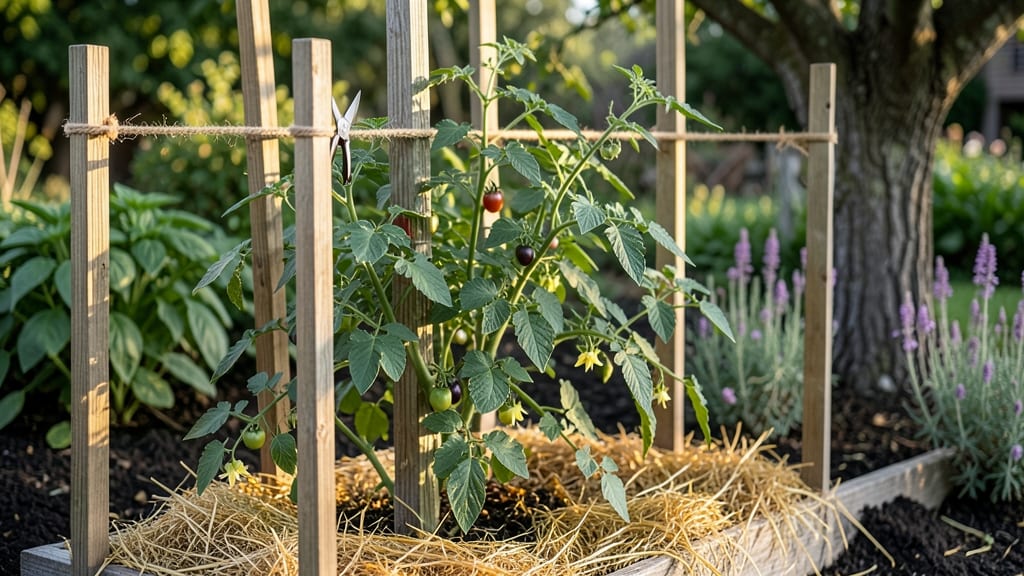
Black cherry tomatoes grow as determinate or indeterminate varieties, with compact bush plants producing a single flush of fruit versus sprawling vines that yield continuously. Choose determinate types for small gardens or early harvests, while indeterminate varieties excel in warm climates with trellis support.
Determinate black cherry tomato plants develop as self-supporting bushes, typically reaching 3-4 feet tall and producing fruit simultaneously over a 2-3 week period.
This makes them ideal for container gardening or small spaces where vertical growth isn't practical. 🌱 Indeterminate varieties, on the other hand, grow continuously throughout the season, often reaching 6-10 feet if properly trellised, which maximizes space efficiency in larger gardens or urban settings.
What sets these varieties apart isn't just their growth patterns but also their seasonal performance. Determinate types mature quickly, making them perfect for short growing seasons, while indeterminate varieties thrive in extended warm weather.
I've found that indeterminate plants often produce more total fruit over time, though each individual tomato may be smaller than determinate varieties.
💡 In This Article
- How Determinate vs Indeterminate Black Cherry Tomato Vines Grow
- Best Growing Conditions for Each Black Cherry Tomato Type
How determinate vs indeterminate black cherry tomato vines grow
Determinate black cherry tomato plants develop a compact, bushy structure with a thick, woody main stem that stops growing once it reaches maturity, typically between 3-4 feet tall.
Their growth pattern is genetically programmed to produce a single, massive flush of fruit over a 2-3 week period, which is why they're often called "bush tomatoes." This growth habit stems from a terminal bud that signals the plant to stop growing vertically and focus energy on fruit production.
The root system remains relatively shallow but spreads outward, creating a sturdy base that can support the weight of ripe tomatoes without collapsing.
The indeterminate varieties, in contrast, grow continuously throughout the season, often reaching 6-10 feet tall if given proper support. Their main stem never stops growing, producing new leaves and flowers at the tips, which means they'll keep producing fruit until frost kills the plant.
The vines are slender and flexible, designed to climb or sprawl rather than stand upright. What's fascinating is how their root systems adapt—they develop deeper, more extensive roots to support the vertical growth, often reaching 2-3 feet deep in ideal conditions.
This root structure also makes them more resilient to drought once established.
Here's where pruning becomes crucial: determinate plants rarely need pruning since their growth is naturally controlled. However, you might remove suckers (side shoots) to improve airflow and reduce disease risk.
Indeterminate varieties, though, thrive with strategic pruning—removing suckers (the shoots that grow between the main stem and branches) every 7-10 days encourages stronger, more productive vines.
I've found that pruning indeterminate plants to 2-3 main stems increases fruit size and improves air circulation, which is especially important in humid climates where diseases like early blight can spread rapidly.
The fruiting cycles also differ dramatically. Determinate plants set all their flowers at once, which means you'll harvest hundreds of black cherry tomatoes in a concentrated period—perfect for canning or preserving.
Indeterminate varieties, however, produce flowers continuously, resulting in a steady, extended harvest that can last 2-3 months in warm climates. This continuous production is possible because indeterminate plants prioritize vegetative growth (leaf and stem development) while still flowering and fruiting. The trade-off?
Each individual tomato may be slightly smaller than determinate varieties, but the total yield often surpasses determinate plants over a full season.
Climate plays a surprising role in how these growth patterns manifest. Determinate varieties mature quickly (typically 60-70 days from transplant), making them ideal for short growing seasons or cooler climates where frost arrives early.
Indeterminate plants, however, require a longer warm season—they won't produce well if temperatures drop below 50°F at night. In my experience growing both in Zone 8a, indeterminate plants continued yielding until mid-November, while determinate varieties finished by early October.
This seasonal difference is why indeterminate types are often recommended for warmer regions or greenhouse growing.
One often-overlooked factor is how these growth habits interact with pollination. Both types are self-pollinating, but indeterminate plants' continuous flowering can lead to uneven pollination if bees aren't abundant.
In my garden, I've found that hand-pollinating indeterminate varieties with a small brush on overcast days (when bees are less active) boosts fruit set significantly.
Determinate plants, with their synchronized flowering, are less prone to this issue since all flowers open at once, creating a "pollination party" that attracts hordes of bees.
The choice between these growth habits isn't just about space—it's about harvest timing, climate adaptation, and even flavor development. Determinate varieties often produce sweeter, more concentrated flavors because their fruit ripens all at once in optimal conditions.
Indeterminate types, while sometimes slightly less sweet individually, offer a longer window to enjoy fresh tomatoes straight from the vine. 🌿