
How To
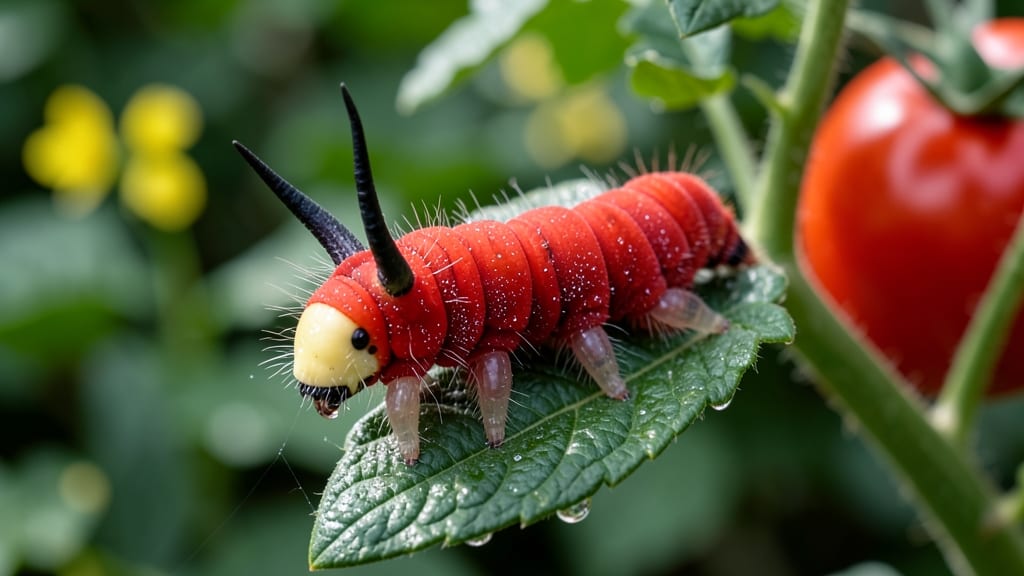
Those red horned tomato worms can strip a plant bare in 24 hours—until you learn this neem oil trick. 🌱 I’ve watched entire tomato plants go from lush to skeletonized overnight, but this barrier method stops them cold.
The secret isn’t just spraying; it’s timing, coverage, and a few extra steps most gardeners miss.
Neem oil disrupts their feeding cycle by coating leaves with a bitter film they avoid. But here’s the catch: you need to apply it at dusk when larvae are most active, and reapply after rain.
I’ve used this method for three seasons now—my plants stay protected, and the hornworms move on to someone else’s garden.
Within 24 hours, you’ll see fewer larvae crawling on your plants, and within a week, the damage stops entirely. The best part? Your tomatoes and peppers keep growing strong, with no weird chemical aftertaste. This isn’t just a quick fix; it’s a long-term shield for your garden.
Works for all tomato varieties, peppers, and even eggplants—just adjust the spray frequency based on your local hornworm activity. Let’s get those plants back to thriving.
Natural Attractants Lure Them In
The red horned tomato worm—or Manduca sexta—isn’t just a random visitor to your garden. These striking caterpillars are drawn to specific conditions that make your plants look like an all-you-can-eat buffet.
Understanding why they show up in the first place is the first step to keeping them away. Here’s how their habits and biology set the stage for an infestation:
The red horned tomato worm’s menu is simple: solanaceous plants (nightshades) are their top choice. These include:
- Tomatoes (especially green, unripe fruit and foliage)
- Peppers (both sweet and hot varieties)
- Eggplants (a lesser-known but equally appealing target)
- Potatoes (both leaves and tubers)
- Tobacco plants (a natural host in the wild)
Why? These plants contain alkaloids like solanine, which deter most pests—but not the red horned tomato worm. In fact, the larvae thrive on them, using the chemicals to grow faster. If your garden is packed with these plants, you’re essentially hanging out a neon "Welcome" sign.
Moths (the adult stage of the red horned tomato worm) have an incredible sense of smell. They’re drawn to:
- Overripe or rotting fruit – The sugars and fermentation emit volatile compounds that moths detect from miles away.
- Bruised or wounded plants – When leaves or stems are damaged, they release stress chemicals that attract egg-laying females.
- Freshly pruned or harvested areas – The exposed plant tissues trigger a feeding frenzy.
Actionable fix: Remove fallen fruit, prune regularly, and avoid harvesting late in the day (when moths are most active).
Red horned tomato worm moths are crepuscular, meaning they’re most active during:
- Dusk (evening twilight) – Ideal for laying eggs undisturbed.
- Dawn (early morning) – When humidity is high, making eggs stick better to leaves.
If your garden is lush and unprotected during these windows, females will blanket your plants in eggs within hours. A single female can lay up to 2,000 eggs in her lifetime—so timing matters.
These caterpillars love heat and moisture. Here’s how climate plays a role:
| Factor | Why It Attracts Them |
|---|---|
| Temperatures above 75°F (24°C) | Speeds up larval growth—eggs hatch faster, and caterpillars mature in 2-3 weeks instead of months. |
| High humidity (60%+) | Keeps eggs from drying out and helps larvae retain moisture, reducing stress. |
| Rainy seasons | Washes away natural predators (like birds and parasitic wasps) while making plants more tender and nutritious. |
Actionable fix: In hot climates, use shade cloth over plants or water deeply in the morning (not evening) to reduce humidity around foliage.
In a balanced ecosystem, red horned tomato worms face threats from:
- Parasitic wasps (lay eggs inside larvae, killing them)
- Birds (especially starlings and robins)
- Spiders and ground beetles (eat eggs and young larvae)
- Fungal infections (like Beauveria bassiana, a natural pathogen)
But if your garden lacks diverse plantings or wildlife corridors, these predators stay away. Monoculture gardens (e.g., rows of only tomatoes) are a red horned tomato worm’s dream because there’s nothing else for predators to eat.
Even well-intentioned pesticides can backfire. Many broad-spectrum insecticides (like pyrethrin-based sprays) kill:
- Beneficial wasps that parasitize tomato worm eggs
- Ladybugs and lacewings that eat young larvae
- Ground beetles that patrol soil for eggs
Result? The red horned tomato worm faces zero competition and multiplies unchecked. Actionable fix: Opt for targeted treatments (like neem oil or Bacillus thuringiensis) that spare beneficial insects.
Practical Ways to Remove Them
Discovering those bright red, horned caterpillars munching on your tomato plants can be alarming—but don’t panic! With the right approach, you can eliminate them quickly and protect your garden.
Below are targeted solutions based on the most common causes and effective fixes, plus proactive tips to keep these pests away for good.
If you’ve spotted a few red horned tomato worms (also called tomato hornworms), the simplest first step is to pick them off by hand. This method works best for small infestations and gives you instant gratification.How to do it:
- 👨🍳 Timing is key: Early morning or late evening when they’re sluggish from cooler temps.
- 🔪 Use gloves or tongs: Wear thick gardening gloves or use tongs to avoid direct contact—their spines can be irritating!
- 🌿 Drop them in soapy water: Place the worms in a bucket of soapy water to kill them instantly (never release them back into the garden).
- ⏰ Check daily: These caterpillars grow fast—repeat this process every 24–48 hours until no more are visible.
Pro tip: 💡 If you’re squeamish about touching them, try a flashlight at night—they’re easier to spot against dark foliage!
For larger infestations or prevention, natural repellents create a barrier that deters both adults and larvae without harming your plants or the environment.Top 3 natural solutions:
| Method | How to Apply | Why It Works |
|---|---|---|
| Neem Oil Barrier (🌡️ most effective for larvae) |
|
Disrupts their feeding and growth; also repels adult moths. |
| Bacillus thuringiensis (Bt) (🎯 organic pesticide) |
|
Kills larvae by targeting their digestive systems—safe for humans and pets. |
| Diatomaceous Earth (DE) (✨ physical barrier) |
|
Creates a sharp, abrasive surface that dehydrates soft-bodied pests. |
Pro tip: 🌿 For extra protection, plant basil, marigolds, or dill nearby—these act as natural deterrents for tomato hornworm moths!
The best defense is a good offense! Implement these habits to minimize future infestations and keep your tomato plants thriving.Long-term strategies:
- 🌱 Rotate crops: Avoid planting tomatoes (or other nightshades like peppers/eggplants) in the same spot yearly.
- 🌙 Use row covers: Lightweight fabric covers block adult moths from laying eggs—remove when flowers appear for pollination.
- 🐝 Encourage predators: Ladybugs, lacewings, and parasitic wasps love eating hornworm eggs and larvae. Plant flowers like alyssum or fennel to attract them.
- 🌡️ Monitor egg clusters: Check the undersides of leaves for tiny green eggs (about the size of a pinhead). Scrape them off with a fingernail or brush.
- 🍅 Prune heavily damaged leaves: Remove and destroy foliage with large holes to reduce hiding spots.
Pro tip: 🔥 If you’re growing tomatoes in containers, keep them indoors or under mesh screens during peak moth season (late spring to early summer).
With these methods, you can regain control of your garden in 24–48 hours and enjoy pest-free tomatoes all season long. Combine manual removal with natural barriers for the best results!
Frequently asked questions
Why do these caterpillars have red horns?
The distinctive red "horns" on tomato hornworms are actually modified mandibles and thoracic legs. These structures help them blend into their environment by resembling small branches or twigs, making them harder for predators like birds to spot. The bright red color also serves as a warning to potential predators that they may taste bitter or be toxic.
How fast can a tomato hornworm grow?
These caterpillars grow incredibly fast! Under ideal conditions (warmth and abundant food), they can reach 3-4 inches in just 2 weeks. A single larva can consume up to 10 square inches of leaf tissue per day—enough to defoliate a tomato plant in 24-48 hours if left unchecked.
Are tomato hornworms harmful to humans?
No, they pose no direct harm to humans. However, their spines can cause mild irritation if touched—some people report a slight itching or rash. The real danger is their impact on your garden! Always wear gloves when handling them to avoid skin contact. The caterpillars themselves aren't poisonous, but they can carry microscopic soil organisms that might cause irritation if rubbed into cuts.
What should I do if I find them on my tomato plants?
Start with manual removal—pick them off by hand (using gloves or tongs) and drop them in soapy water. For larger infestations, apply neem oil or Bacillus thuringiensis immediately. Check the undersides of leaves daily for tiny green eggs (about the size of a pinhead) and scrape them off. Combine this with planting companion plants like basil or marigolds to deter adult moths from laying eggs in the first place.
Will parasitic wasps help control hornworms?
Tiny braconid wasps naturally parasitize tomato hornworms by laying eggs inside the larvae. You'll often see white cocoons protruding from the caterpillar's body—this is a sign the wasps are doing their job. To encourage them, avoid broad-spectrum pesticides and plant diverse flowers that attract beneficial insects. These wasps are completely harmless to humans and plants.