
Pests
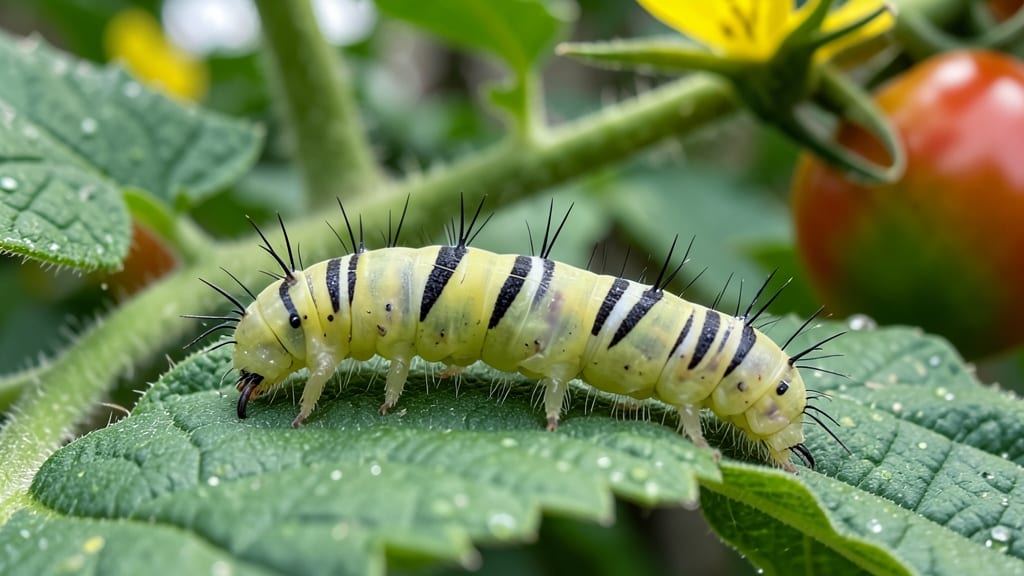
Horned tomato worms turn your prized plants into skeleton leaves overnight—those spiky green caterpillars with yellow stripes are the tomato hornworm larvae, and they’re far more destructive than they look. 🌱 I’ve watched entire tomato plants stripped bare in just 48 hours, leaving behind nothing but chewed vines and wilting fruit.
The key to stopping them isn’t just spotting them early—it’s understanding their lifecycle so you can outsmart their feeding frenzy.
These caterpillars hatch from eggs laid by moths in late spring, and within weeks, they’re devouring leaves at an alarming rate. The damage isn’t just cosmetic—heavy feeding weakens plants, reduces yields, and invites secondary pests.
But here’s the twist: while they’re destructive as larvae, their adult moth form plays a surprising role in pollination. The battle isn’t black-and-white; it’s about balance.
You’ll learn how to identify their telltale damage patterns, when they’re most active, and the foolproof manual removal techniques that actually work. No more losing your entire harvest—just targeted action that protects your plants without harming beneficial insects.
The best part? Many solutions take less than 10 minutes and require nothing but your hands and a little patience.
From inviting natural predators to strategic pruning, we’ll cover organic methods that keep your garden thriving—without resorting to harsh chemicals. Even if you’ve already lost a plant or two, this guide gives you the tools to reclaim control before next season’s infestation hits.
Let’s get those tomatoes back on track.
The Science Behind These Spiky Invaders
Those striking, horned tomato worms—Manduca sexta larvae—don’t just appear out of nowhere. Their presence in your garden is the result of a mix of environmental cues, plant chemistry, and natural life cycles.
Understanding why they target your tomatoes (and other nightshades) helps you stay one step ahead. Here’s a breakdown of the key factors driving their behavior.
Tomato worms are drawn to your garden by more than just the sight of lush green leaves—they’re following their noses. These caterpillars rely on volatile organic compounds (VOCs) emitted by plants in the Solanaceae family (tomatoes, peppers, eggplants, and potatoes).
When these plants are stressed—whether by drought, heat, or damage—they release even stronger chemical signals, acting like a dinner bell for hungry larvae.
Key attractants include:
- Green leaf volatiles (GLVs): Compounds like hexanal and Z-3-hexenol are released when leaves are bruised or chewed, signaling "easy prey" to foraging moths.
- Solanaceous alkaloids: Tomatoes produce solanine and chaconine as natural defenses, but these same compounds can ironically make the plant more appealing to Manduca moths, which have evolved to tolerate them.
- Floral scents: Moths are also attracted to the sweet, musky fragrance of tomato flowers, where they lay eggs. A single whiff of β-ocimene or linalool can trigger oviposition (egg-laying).
Actionable insight: Reduce stress on your plants by ensuring consistent watering (especially during dry spells) and avoiding physical damage (like rough harvesting). Pro tip: 💡 Prune lower leaves where eggs are often laid—this disrupts the moths’ ability to detect and target your plants.
The adult Manduca sexta moths are nocturnal pollinators, but their egg-laying habits are tightly linked to temperature and humidity. These factors determine when they’re most active—and when their larvae will hatch in your garden.
Critical triggers include:
| Factor | Optimal Range for Moth Activity | Why It Matters |
|---|---|---|
| Nighttime temperatures | 70–85°F (21–29°C) | Moths are most active when nights are warm but not scorching. Cooler nights (<60°F/15°C) suppress flight and egg-laying. |
| Humidity | 50–70% | High humidity keeps eggs moist, speeding up hatching. Dry conditions (<40%) can delay or prevent egg viability. |
| Moon phase | New moon to first quarter | Moths are less active during a full moon (bright light disrupts their navigation). They prefer darker nights for stealthy egg-laying. |
Actionable insight: Monitor your local weather forecasts and use row covers during peak moth activity (typically late spring to early fall in most climates). Pro tip: 🌡️ If nights drop below 65°F (18°C), moths may avoid your garden entirely—use this to your advantage by planting early-season tomatoes in cooler microclimates.
Once eggs hatch, the larvae face a gauntlet of plant defenses—yet they’ve evolved clever strategies to thrive. Their horns (modified mandibles) aren’t just for show; they’re part of a survival toolkit that includes:
- Chemical deterrence: The horns secrete cantharidin, a toxic compound that deters predators like birds and spiders. This chemical also makes the larvae unpalatable to many insects.
- Camouflage: Their green bodies blend into foliage, while their frass (droppings) falls in a way that mimics bird droppings, confusing predators.
- Rapid growth: Horned tomato worms grow 1 inch (2.5 cm) per day under ideal conditions, allowing them to strip a plant before natural enemies (like parasitic wasps) can catch up.
Actionable insight: Disrupt their life cycle by introducing beneficial predators early. Ladybugs, lacewings, and Trichogramma wasps target eggs and young larvae. Pro tip: ✨ Plant dill, fennel, or Queen Anne’s lace nearby—their flowers attract parasitic wasps that hunt Manduca larvae.
By targeting these root causes—plant chemistry, moth behavior, and larval adaptations—you can create an environment where horned tomato worms struggle to thrive. The key is proactive management, not just reactive damage control.
Fixing and Preventing Worm Infestations
Got a garden overrun by those spiky little invaders? Don’t stress—these horned tomato worms (aka hornworms) might look intimidating, but they’re easy to manage with the right approach. Below, we’ll tackle the most common issues—from early detection to long-term prevention—so your tomato plants stay lush and your harvest stays safe.
The sooner you spot these guys, the easier they are to remove. Here’s how to identify and act fast:
🔍 Spot the Signs
- Missing leaves? Look for jagged, irregular holes—this is their calling card.
- Black droppings? Hornworms leave behind dark, pellet-like frass (poop) near the damage.
- Spiky caterpillars? If you see a 3-inch green worm with "horns," you’ve found the culprit.
💡 Pro Tip: Check the undersides of leaves and inside tomato foliage—that’s where they hide during the day.
🧹 Manual Removal (The Fastest Fix) 1. 👨🍳 Grab gloves (trust us, you don’t want those spines touching your skin). 2. 🔪 Use tongs or a damp paper towel to pick them off—drop them in soapy water to kill them instantly.
- 🌿 Check daily for at least a week, as new eggs may hatch.
If you prefer chemical-free solutions, these methods work wonders:
🦋 Encourage Beneficial Predators
- Parasitic wasps (like Cotesia congregata) lay eggs inside hornworms—the larvae then eat the caterpillar from the inside out. No action needed from you!
- Ladybugs, lacewings, and birds also love munching on hornworms. Plant dill, fennel, or marigolds to attract them.
🌿 Neem Oil Spray (Organic Barrier)
- 🍳 Mix: 1 tbsp neem oil + 1 tsp mild soap + 1 quart water.
- 🥘 Spray on leaves (especially undersides) every 5–7 days.
- ⏰ Best time: Early morning or evening to avoid harming bees.
🧴 Bacillus Thuringiensis (BT)
- 💡 What it is: A natural bacteria that kills caterpillars but is safe for humans and plants.
- 📊 How to use: Sprinkle BT powder or mix with water and spray. Reapply after rain.
Stop future infestations with these easy, proactive steps:
🌱 Plant Smart
- 🍅 Space tomato plants 18–24 inches apart for better airflow (less hiding spots for worms).
- 🌿 Interplant with basil, thyme, or oregano—their strong scents repel pests.
- 🍅 Avoid over-fertilizing with nitrogen—soft, fast-growing plants attract more caterpillars.
🕯️ Use Row Covers Early
- 🌙 Lightweight fabric covers (like floating row covers) block moths from laying eggs.
- ⏰ Install before flowers appear (when tomato hornworm moths are active).
🧹 Clean Up Debris
- 🍃 Remove fallen leaves and plant waste—eggs love hiding in organic matter.
- 🌿 Prune suckers and lower leaves to reduce hiding spots.
🕰️ Timing Matters: Trap Crops
- 🌱 Plant a few tomato plants early as a "trap" for hornworms.
- 🔪 Once infested, remove and destroy them before they spread to your main crop.
If your garden is heavily infested (dozens of worms, severe damage), consider:
- 🐝 Professional pest control for large-scale gardens.
- 🧴 Pyrethrin-based sprays (use as a last resort—harms beneficial insects too).
🎯 Final Reminder: Hornworms are part of nature’s cycle, but a few simple steps can keep them from wrecking your harvest. Act fast, stay consistent, and your tomatoes will thank you! 🍅✨
Frequently asked questions
Are horned tomato worms harmful to humans?
While they look intimidating, horned tomato worms are completely harmless to humans! The spines on their backs can't pierce skin, and they don't bite or sting. Their only defense is their chemical deterrent (cantharidin), which is toxic to predators but harmless when touched by humans. You can safely handle them with gloves if needed.
How quickly can a single horned tomato worm destroy a plant?
These caterpillars grow 1 inch (2.5 cm) per day under ideal conditions, and a single worm can strip a medium-sized tomato plant of all its leaves in just 2-3 days. Their rapid growth means you need to act fast—check plants daily during peak season (late spring to early fall) to catch them early.
What's the best time of day to look for horned tomato worms?
Morning is ideal! These caterpillars hide in foliage during the day but become more active at dawn. Check the undersides of leaves and inside plant clusters when the sun is low—this is when they're easiest to spot before they start feeding aggressively.
Can I use coffee grounds to repel horned tomato worms?
Yes, but with caution. Fresh coffee grounds can deter some pests, but their effectiveness against horned tomato worms is limited. For better results, mix equal parts coffee grounds with neem oil and sprinkle around plant bases. The key is consistency—reapply every 3-4 days during peak worm season.
Do horned tomato worms affect other vegetables besides tomatoes?
While they prefer tomatoes, these caterpillars will happily munch on other nightshades like peppers, eggplants, and potatoes. They'll also attack tobacco plants, petunias, and jasmine if no better options are available. The key is to monitor all susceptible plants in your garden.