
Vegetables
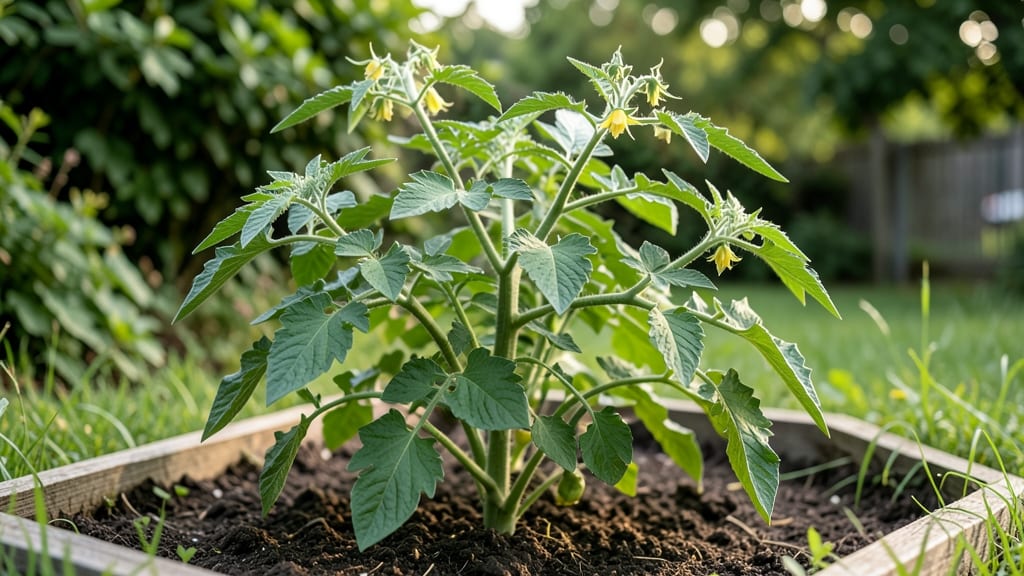
Growing Tomato Supersweet 100 means sweet, crack-resistant fruit that tastes like summer in every bite. 🌱 The secret isn’t just the variety—it’s the soil, which prevents blossom-end rot and keeps plants thriving.
I’ve grown this heirloom for years, and the difference between a good harvest and a great one comes down to calcium-rich soil, consistent moisture, and smart pruning. This tomato thrives in full sun (6-8 hours daily) and well-draining soil with a pH of 6.0-6.8.
The key is calcium supplementation—whether through crushed eggshells, gypsum, or a balanced fertilizer like 5-5-5. Without it, even the hardiest plants succumb to rot. Start seeds indoors 6-8 weeks before last frost, then transplant after soil warms to 60°F.
By mid-summer, you’ll be picking 2-3 pound tomatoes with sugar levels that rival store-bought peaches. The plants grow 4-5 feet tall, so sturdy cages or stakes are a must.
Prune suckers weekly to focus energy on fruit production, and watch for early signs of disease—like yellowing leaves or cracked blossoms—so you can act fast. Works in containers (5+ gallons) or in-ground beds, and the flavor improves with full ripening on the vine.
Here’s how to set it up for success!
📚 In This Guide
- What you need
- Instructions
- Tips and common mistakes
- Wrapping up and next steps
What you need
- ● Tomato Supersweet 100 seeds – 10–20 seeds (or 1–2 starter plants if buying seedlings).
- ● High-quality potting mix – 5–10 gallons (or enough to fill 4–6" pots). Look for a soil blend with 50–70% compost and a pH of 6.0–6.8.
- ● Calcium-rich amendment – 1–2 cups of crushed eggshells, oyster shell, or gypsum per plant (prevents blossom-end rot!).
- ● Organic fertilizer – 1 lb of balanced 5-5-5 or 10-10-10 (or compost tea for organic gardeners).
- ● Containers or garden space – 5-gallon pots (if container gardening) or a sunny, well-draining garden bed (6+ hours of sunlight daily).
- ● Seed trays or small pots – 4–6" deep (for seedlings).
- ● Trowel or hand shovel – For transplanting.
- ● Watering can or hose with a gentle nozzle – Avoid overwatering!
- ● Pruning shears – To remove suckers and encourage bushier growth.
- ○ Mulch (optional but recommended) – Straw or shredded leaves to retain moisture and deter weeds.
- ● Warmth – Seeds germinate best at 70–85°F (21–29°C). Use a heat mat if needed.
- ● Patience – Germination takes 7–14 days; seedlings need 6–8 weeks before transplanting.
- ● Blossom-end rot prevention – Consistent moisture (but no soggy soil!) and the calcium boost mentioned above.
Step-by-step instructions for growing Tomato 'Supersweet 100' without blossom-end rot
Here's how I grow this disease-resistant variety with juicy, sweet tomatoes every season.
🌱 Step 1: Prepare Calcium-Rich Soil Foundation
Start with a well-draining soil mix that includes crushed eggshells or gypsum—both provide calcium to prevent blossom-end rot. I blend 2 parts high-quality potting mix with 1 part compost and 1 part perlite. This creates a loose, airy medium that prevents waterlogging while delivering steady calcium.
Test your soil's pH—aim for 6.2-6.8. Too acidic or alkaline locks out calcium uptake. If your soil tests low, work in 1 tablespoon of dolomitic lime per gallon of soil and mix thoroughly. The key is consistency: uneven calcium distribution leads to spotty fruit quality.
☀️ Step 2: Plant in Warm, Sunlit Location
'Supersweet 100' thrives in full sun (6-8 hours daily) and warm soil. Wait until nighttime temperatures stay above 55°F—cold soil slows root growth and stresses plants. I plant mine in 5-gallon containers filled with the prepared mix, burying stems up to the first leaves to encourage stronger root systems.
Space plants 24-36 inches apart to prevent crowding. Overcrowded plants compete for calcium, making blossom-end rot more likely. After planting, water deeply until water runs from drainage holes—this settles soil and removes air pockets where roots can't access nutrients.
💧 Step 3: Water Consistently with Calcium Boost
Water at the base of plants in the morning to allow foliage to dry quickly—this prevents fungal diseases. Use calcium-rich water: dissolve 1 teaspoon of calcium chloride per gallon of water and apply every 2-3 weeks. I also mulch with straw or shredded leaves to retain moisture and regulate soil temperature.
Never let soil dry completely between waterings. The plant's calcium uptake drops when stressed. You'll know moisture is right when the top 1-2 inches of soil feel damp but not soggy. Yellowing lower leaves signal overwatering; crispy edges mean underwatering.
✂️ Step 4: Prune for Airflow and Fruit Quality
Remove suckers (side shoots) regularly to focus energy on fruit production. I prune mine to 3 main stems, leaving 12-15 leaves below each flower cluster. This improves airflow, reducing humidity around leaves where fungal spores thrive. Remove any leaves touching the soil to prevent rot.
Support plants with stakes or cages as they grow. Heavy fruit can pull stems down, stressing roots and disrupting calcium flow. Harvest tomatoes when they're fully colored and slightly soft to touch—waiting too long reduces sweetness and increases rot risk.
🌿 Step 5: Monitor and Adjust Calcium Levels
Check for blossom-end rot early: it appears as dark, sunken spots on the blossom end of fruit. If you see signs, immediately apply a calcium nitrate solution (1 tablespoon per gallon of water) as a foliar spray and soil drench. I also add crushed eggshells to the soil surface monthly as a natural calcium source.
As plants mature, reduce nitrogen fertilizer—too much promotes leafy growth at the expense of fruit. Switch to a low-nitrogen, high-phosphorus fertilizer (5-10-10 ratio) to support flowering and fruiting. The goal is balanced growth: strong stems, healthy leaves, and sweet, rot-free tomatoes.
Tips & tricks for growing perfect Supersweet 100 tomatoes
Real talk: growing these tomatoes well comes down to understanding their calcium needs and environment. Here's what I've learned from years of trial and error.
Calcium Delivery System: The 1 teaspoon of calcium chloride per gallon of water every 2-3 weeks is your best defense against blossom-end rot. But here's the thing: if you notice early signs of rot, increase the frequency to weekly until symptoms disappear. I also add a pinch of Epsom salt (magnesium sulfate) to the same watering solution—it works synergistically with calcium for stronger cell walls.
Soil Temperature Secret: The 55°F nighttime temperature minimum isn't just about roots—it's about calcium absorption. Cold soil locks out nutrients, so if your nights dip below this, use black plastic mulch to warm the soil by 5-10°F. I've seen plants in cooler climates thrive with this simple trick, producing fruit that's actually sweeter because the plant isn't stressed.
Pruning Precision: When you're pruning to 3 main stems with 12-15 leaves below each flower cluster, don't just count leaves—look for the "V" shape where leaves meet the stem. This is your plant's natural growth pattern, and maintaining it ensures proper energy distribution. I always prune in the morning so any cuts have time to callus over before evening moisture sets in.
Harvest Timing Insight: The "fully colored and slightly soft to touch" cue is more about texture than color for Supersweet 100. These tomatoes actually continue ripening off the vine, so harvest when they're 80% colored and firm. The remaining ripening happens indoors, giving you better control over final sweetness—especially important if you're growing in cooler climates where daytime heat is limited.
Pro Tips for Tomato Supersweet 100
- Real talk: growing these tomatoes well comes down to understanding their calcium needs and environment.
- Calcium Delivery System: The 1 teaspoon of calcium chloride per gallon of water every 2-3 weeks is your best defense against blossom-end rot.
- Soil Temperature Secret: The 55°F nighttime temperature minimum isn't just about roots—it's about calcium absorption.
Frequently asked questions
Got questions about growing Tomato Supersweet 100? You’re not alone! This hybrid variety is a gardener’s dream—but it’s not without its quirks. Below, we tackle the most common concerns to help you cultivate a bountiful harvest with ease.
How long does it take for Supersweet 100 tomatoes to produce fruit?
With proper care, Tomato Supersweet 100 typically starts flowering in 45–55 days after transplanting and produces fruit within 60–70 days. In warmer climates, you might see tomatoes even sooner! Patience pays off—these beauties are worth the wait for their sweet, crack-resistant flavor. Pro tip: Use a tomato cage or trellis early to support vines and encourage faster fruiting.
Can I grow Supersweet 100 in containers, or does it need a garden bed?
This variety thrives in 5-gallon containers or larger, making it perfect for balconies, patios, or small spaces. Just ensure the pot has drainage holes and use a high-quality potting mix with added compost. Avoid overcrowding—space plants 18–24 inches apart for airflow. Container hack: Bury a slow-release fertilizer tablet in the soil at planting for a nutrient boost.
Why are my Supersweet 100 tomatoes developing blossom-end rot?
Blossom-end rot is a common (but preventable!) issue caused by calcium deficiency or inconsistent watering. To fix it:
- Water deeply and evenly—avoid letting soil dry out completely.
- Add crushed eggshells or calcium-rich amendments (like gypsum) to the soil.
- Mulch around plants to retain moisture and stabilize pH.
Are Supersweet 100 tomatoes good for canning or sauces?
Yes! These tomatoes are low-acid but packed with sweetness, making them ideal for salsas, fresh eating, and even sauces—though you’ll need to add acid (like lemon juice or bottled vinegar) if canning to meet safety standards. Their thick walls and crack-resistant skin hold up well during cooking. Try this: Roast them with garlic and olive oil for a smoky, sweet twist on classic tomato sauce.
What’s the best alternative if Supersweet 100 isn’t available?
If you can’t find Supersweet 100, try these sweet, crack-resistant hybrids:
- ‘Sweet 100’ – Classic choice with similar sweetness.
- ‘Super Sweet Million’ – Indeterminate, great for containers.
- ‘Mountain Merit’ – Disease-resistant and productive.
Wrapping up and next steps
Growing your own Tomato Supersweet 100 isn’t just rewarding—it’s a game-changer for your garden! 🌱 With the right soil prep, you’ll dodge blossom-end rot and enjoy sweet, juicy tomatoes that outshine store-bought varieties. This heirloom gem thrives with care, and now you’re armed with the secrets to success.
Ready to take the next step? Start by testing your soil’s pH and nutrients—your plants will thank you! Then, grab those seeds, get your hands dirty, and watch your garden flourish. Happy growing! 🌿