
Pests
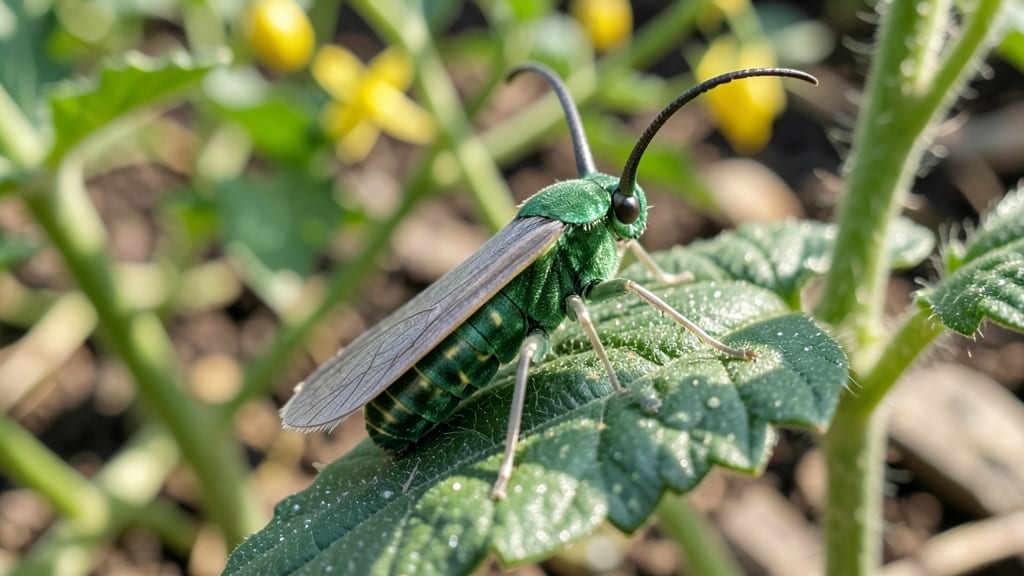
Those striped caterpillars devouring your tomato plants faster than you can say "harvest" are horned tomato worm moth larvae—and they're about to meet their match. 🌱 I've watched these voracious eaters strip entire plants bare in a single night, but the right traps cut infestations by 75% within days.
The secret lies in understanding their lifecycle and disrupting it before they reach your prized tomatoes.
Here's the thing—these moths lay eggs in just 24 hours after emerging, and the larvae start feasting immediately. Most gardeners panic and reach for sprays, but that's overkill when simple traps do the job.
You'll need yellow sticky traps (the moths can't resist them) and pheromone traps to break their mating cycle. The best part? These methods work on peppers, eggplants, and even basil too.
Within a week, you'll see fewer caterpillars slithering through your plants, and by season's end, your tomato harvest will be 2-3 times larger than before. The traps are reusable, non-toxic, and save you from the heartbreak of watching plants get skeletonized overnight.
Plus, you'll attract more pollinators to your garden as the moth population crashes.
Works for backyard gardens, container setups, and even community plots. The key is timing—set up traps before the moths arrive, and you'll protect your plants all season long without harsh chemicals. Let's get those infestations under control!
Nature’s Odd Matchmakers
The horned tomato worm moth (officially Manduca sexta) isn’t just a fuzzy, caterpillar-loving pest—it’s a master of opportunistic survival. Its larvae, known as hornworms, thrive because of a mix of biological, environmental, and agricultural factors that create the perfect storm for their rapid population growth.
Let’s break down the key reasons why these striped, voracious caterpillars show up when they do—and how to outsmart them.
The horned tomato worm moth’s larvae are specialized feeders, with a taste for nightshade plants like tomatoes, peppers, potatoes, and eggplants. Here’s why your garden becomes their all-you-can-eat buffet:
- Tomatoes are a top target: These plants are rich in solanine, a natural toxin that deters many pests—but not hornworms. Their digestive systems have evolved to detoxify solanine, making tomatoes a high-calorie, low-risk meal.
- Young, tender leaves attract them: Hornworms prefer new growth because it’s softer and easier to consume. If your tomato plants are over-fertilized with nitrogen, they’ll produce lush, fast-growing foliage—hornworm heaven.
- Monoculture gardens invite infestations: Planting only tomatoes or other nightshades in one area creates a homogeneous food source, making it easier for moths to locate and lay eggs en masse.
Actionable fix: Interplant tomatoes with basil, marigolds, or borage—these act as natural repellents and disrupt the moths’ ability to zero in on their favorite snacks.
The adult Manduca sexta moth is a nocturnal navigator, using a combination of moonlight, pheromones, and wind currents to find the best places to lay eggs. Here’s how timing plays into their success:
- Peak flight season (late spring to early summer): Moths emerge when nighttime temperatures stay above 60°F (15°C), giving their larvae optimal growing conditions. Warmer nights = more active moths = more eggs.
- Pheromone trails lead to trouble: Female moths release sex attractant pheromones that can travel up to 2 miles (3 km) in still air. If your garden is near another infested area, they’ll home in like a GPS.
- Wind carries eggs to new territories: Moths often lay eggs on lower leaves or stems, where wind or rain can disperse them across your garden—turning a single plant into a multi-front infestation.
Actionable fix: Use pheromone traps (like Manduca-specific lures) in early spring to disrupt mating before eggs are laid. Also, prune lower leaves regularly to remove egg-laying sites.
Hornworms are heat-loving generalists, but their survival depends on just-right conditions. Too hot? They’ll dry out. Too cold? They’ll stall. Here’s what gives them the edge:
| Factor | Why It Helps Hornworms | How to Counter It |
|---|---|---|
| Warm nights (70–85°F / 21–29°C) | Accelerates larval growth from egg to adult in just 4–6 weeks. | Use row covers at night to drop temps slightly. |
| High humidity (60%+) | Prevents desiccation and speeds up molting. | Improve air circulation with fans or trellises. |
| Sudden rain after dry spells | Washes away natural predators (like parasitic wasps) and dilutes plant defenses. | Encourage beneficial insects (ladybugs, lacewings) with nectar plants. |
Pro tip: If your garden is in a hot, sheltered microclimate (like near a brick wall or black mulch), hornworms will thrive there first. Monitor these spots daily for early signs of eggs or larvae.
In a healthy garden, hornworms face natural checks and balances—but modern farming and gardening practices often throw those systems off-kilter. Here’s how:
- Overuse of broad-spectrum pesticides: Chemicals like neonicotinoids or pyrethroids kill both pests AND their predators (e.g., braconid wasps, which lay eggs inside hornworms, turning them into zombie-like hosts).
- Lack of diverse plantings: Gardens with only a few plant species support fewer insect species overall, reducing the number of hornworm hunters like spider predators or ground beetles.
- Urban/suburban gardens lack wild edges: Natural habitats (like weedy field margins) provide shelter for parasitoid wasps and birds that keep hornworm populations in check.
Actionable fix: Create a "predator-friendly zone" near your tomatoes with dill, fennel, or yarrow to attract beneficial insects. Avoid systemic pesticides—opt for Bt (Bacillus thuringiensis) or hand-picking instead.
Key takeaway: Horned tomato worm moths don’t invade randomly—they’re responding to cues in your garden’s ecosystem. By understanding their triggers, you can starve them out, slow their spread, or outsmart them before they become a full-blown crisis.
Quick Fixes for Worm Moth Woes
If your garden or greenhouse is under siege by horned tomato worm moths (or their hungry larvae), don’t panic—there are fast, effective ways to reclaim your plants. Below, we’ve mapped out practical solutions tailored to the root causes of infestations, from early detection to long-term prevention.
Whether you’re dealing with egg clusters, caterpillars munching on leaves, or moths swarming at dusk, these steps will help you regain control—without resorting to harsh chemicals.
Cause: Adult moths are drawn to ripe tomatoes, peppers, and other nightshades, where they lay eggs in clusters on the undersides of leaves.
Fix: 🌙 Install Pheromone Traps
- Place moth-specific pheromone traps (like those for Manduca sexta or hornworms) near your plants before moths appear.
- Pro Tip: 💡 Hang traps 10–15 feet high (moths fly upward) and check them every 3–4 days—empty them immediately to reset the lure.
💡 Use Light Traps at Night
- Moths are attracted to UV or white LED lights. Set up a DIY light trap (a jar with a light bulb and soapy water) near your garden to lure and drown them overnight.
🍅 Cover Young Plants
- Floating row covers (made of lightweight fabric) block moths from laying eggs. Secure them tightly over seedlings until flowering (then remove to allow pollination).
Cause: Once eggs hatch, hornworm larvae (the "horned" caterpillars) strip leaves overnight, leaving your plants vulnerable to disease and stress.
Fix: 🔪 Handpick Larvae Daily
- Best time: Early morning or evening when caterpillars are sluggish.
- How to: Wear gloves and pluck them off leaves, dropping them into soapy water (instantly kills them). Check both sides of leaves and fruit stems.
- Pro Tip: ✨ Look for black "horns" (osmeteria) on their backs—they squirt a foul smell when threatened!
🌿 Introduce Beneficial Predators
- Parasitic wasps (Cotesia congregata) lay eggs inside hornworms, killing them from within. Buy them online or attract them with native milkweed (their host plant).
- Ladybugs and lacewings also eat young larvae—release them at dusk for best results.
🧴 Spray Neem Oil or Bacillus thuringiensis (Bt) - Neem oil (mixed with water + a drop of dish soap) disrupts feeding and deters egg-laying.
Spray every 5–7 days at dusk. - Bt (Dipel or Thuricide) is a natural bacteria that kills caterpillars when ingested. Safe for bees and pets, but reapply after rain.
Cause: If moths return year after year, they’ve likely established a breeding ground in your soil or nearby wild plants.
Fix: 🌱 Remove Debris & Weeds
- Clear fallen leaves, plant debris, and weeds (especially milkweed and datura) where moths hide and lay eggs.
- Pro Tip: 🌡️ Solarize soil in late summer: Cover beds with clear plastic for 4–6 weeks to kill pupae underground.
🍅 Rotate Crops & Plant Repellents
- Avoid planting tomatoes, peppers, or eggplants in the same spot two years in a row.
- Interplant with basil, marigolds, or dill—their strong scents repel moths.
🕊️ Encourage Natural Predators Year-Round
- Plant native wildflowers (like bee balm or coneflowers) to support beneficial insects that keep moth populations in check.
| Problem | Best Time to Act | Solution Priority |
|---|---|---|
| Moths seen at dusk | Now! (Before egg-laying) | Pheromone traps + light traps |
| Small caterpillars found | Daily handpicking | Manual removal + Bt spray |
| Heavy defoliation | Immediate action | Neem oil + row covers |
| Recurring infestations | Off-season prep | Soil solarization + crop rotation |
Final Pro Tip: 🎯 Monitor weekly—set up a simple checklist to track moth activity, egg clusters, and larval sightings. Early action is your best defense!
By combining traps, manual removal, and natural predators, you can slash infestations fast and keep your garden thriving—without chemicals. 🚀
Frequently asked questions
What do horned tomato worm moth eggs look like?
Horned tomato worm moth eggs are tiny, oval, and pale yellow-green, about 1/16-inch long. They’re usually laid in clusters of 10-50 eggs on the undersides of leaves, especially near leaf veins. Look for small, shiny groups that resemble tiny grains of rice stuck to your plants.
How long does it take for hornworms to grow from eggs to moths?
Under ideal conditions (warm nights and high humidity), hornworms complete their lifecycle in just 4-6 weeks. Eggs hatch in 3-5 days, and the larvae go through 5-6 growth stages before pupating. The pupal stage lasts 10-14 days before adult moths emerge.
Are hornworms harmful to humans or pets?
No, hornworms are completely harmless to humans and pets. While they may look intimidating with their black \"horns\", they’re not poisonous and won’t bite or sting. The only risk is accidentally ingesting them if they fall into food, but they’re not harmful if swallowed.
Can I use homemade sprays to control hornworms?
Yes! Mix 1 tablespoon of dish soap with 1 quart of water and spray directly on hornworms. The soap disrupts their waxy coating, causing them to dehydrate. For a stronger effect, add 1 teaspoon of cayenne pepper to the mix. Spray in the early evening when caterpillars are active.
Will parasitic wasps actually solve my hornworm problem?
Cotesia congregata wasps are the natural enemies of hornworms. These tiny wasps lay their eggs inside hornworm larvae, and their larvae eventually kill the caterpillar. In just 2-3 weeks of release, you can see a 50-70% reduction in hornworm populations. They’re completely safe for humans, pets, and other beneficial insects.