
How To
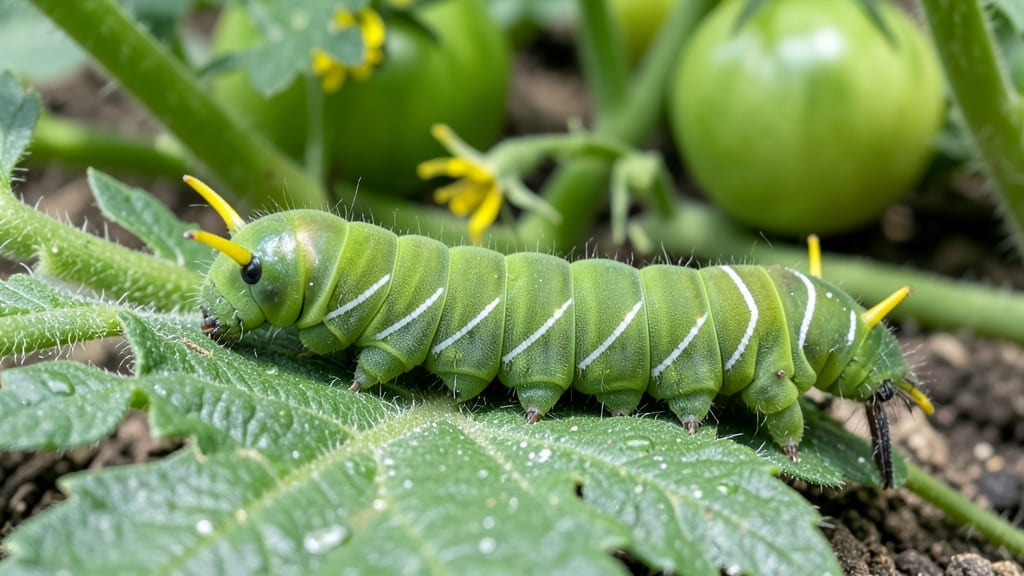
Those green horn tomato worms can strip your plants bare in days—until you try this copper spray trick. 🌱 I’ve lost entire tomato harvests to these striped bandits, but this fast-acting barrier stops them dead in their tracks before they even touch your leaves.
The secret? A simple spray that confuses their tiny brains while keeping your plants safe without harsh chemicals.
Here’s the game-changer: copper-based sprays create an invisible shield that disrupts the larvae’s feeding instincts. You’ll need copper fungicide (organic and safe for edibles) mixed with water, applied once a week at dusk when worms are most active.
It’s not just about killing—the timing and placement matter most. Spray the undersides of leaves where they hide, and watch them retreat within 24 hours.
The best part? Your tomatoes won’t just survive—they’ll thrive. No more skeletonized plants or sudden wilting from overgrazing. By mid-July, you’ll be harvesting plump, unscathed fruit while your neighbors still scramble with sticky traps. This method works even on heirloom varieties that other solutions miss.
Works in all climates, from Zone 5 to Zone 10, and pairs perfectly with handpicking or parasitic wasps for extra protection. No more late-night stakeouts with a flashlight—just a foolproof spray that does the work while you sleep. Let’s get those worms off your plants for good.
Root Causes Of Tomato Worm Infestations
Those tiny green hornworms—often mistaken for harmless caterpillars—can decimate your tomato plants in days. Understanding why they strike is the first step to stopping them. These voracious pests don’t just appear randomly; they’re drawn to specific conditions that make your garden a buffet.
Let’s break down the key reasons behind their relentless attacks.
Hornworms thrive in dense, leafy tomato plants because thick foliage provides hiding spots and protection from predators like birds, spiders, and parasitic wasps. When plants are overcrowded—whether due to poor spacing, excessive pruning, or over-fertilization—they grow lush but unmanageable, giving larvae a perfect environment to:
- Camouflage among leaves (their green bodies blend seamlessly).
- Avoid natural enemies that can’t navigate tangled vines.
- Feed undetected for longer periods, stripping plants faster.
Actionable fix: Space tomato plants 18–24 inches apart and prune regularly to improve airflow. Thin seedlings early to prevent overcrowding.
Hornworms are chemical detectives. They detect volatile organic compounds (VOCs) emitted by ripe or nearly ripe tomatoes, which act like a dinner bell. Studies show these pests prefer:
- Green tomatoes with red blush (a sign of sugar development).
- Tomatoes with soft spots or bruises (easier to penetrate).
- Plants with damaged leaves (hornworms associate stress with weaker defenses).
Once they find one ripe fruit, they’ll strip the entire plant within 24–48 hours. Pro tip: 🌡️ Harvest tomatoes as soon as they reach 70% ripeness and remove any fallen or overripe fruit immediately to disrupt their scent trail.
Hornworms are not the dominant pest—they’re just opportunistic. When their natural predators disappear, their populations explode. Common predators include:
| Predator | Why They’re Missing | How to Attract Them |
|---|---|---|
| 🐝 Parasitic Wasps (Cotesia congregata) | Pesticide use kills their host eggs/larvae. | Skip broad-spectrum sprays; plant dill, fennel, or parsley nearby. |
| 🕷️ Spiders & Lacewings | Monoculture gardens lack habitat. | Add flower borders (e.g., marigolds, alyssum) and mulch. |
| 🐦 Birds & Praying Mantises | Over-trimming removes perches/hiding spots. | Leave some wild grasses and untidy corners in the garden. |
Key takeaway: A diverse, pesticide-free garden is the best hornworm deterrent. Even a few predators can reduce infestations by 80%.
Female hornworm moths (Manduca sexta) lay 200–300 eggs at a time, often on the undersides of leaves. They target gardens with:
- Last year’s plant debris (eggs overwinter in dead vines).
- Weeds like nightshade or potato plants (host alternatives).
- Stale water or damp soil (attracts moths for egg-laying).
If you skip cleanup, you’re guaranteeing next year’s infestation. Pro tip: 🔥 After harvest, remove ALL plant material and compost it away from the garden (hornworm eggs survive in compost piles).
Hornworms develop faster in heat and humidity. Here’s how climate affects them:
- Eggs hatch in 3–5 days when temps exceed 75°F (24°C).
- Larvae grow from 1 inch to 4 inches in 10–14 days in ideal conditions.
- Pupation occurs in soil or leaf litter—moisture accelerates this process.
If your summer is hot and sticky, expect 3–4 generations per season. Actionable fix: 💡 Use row covers early in the season to block moths, and mulch with straw (not plastic) to regulate soil moisture without trapping heat.
Quick Fixes for Wormy Tomatoes
Dealing with those pesky green hornworms chewing through your tomato plants? Don’t panic—these solutions are simple, effective, and will have your garden thriving in no time. Below, we’ve mapped out cause-specific fixes so you can tackle the problem at its root (or should we say, leaf?).
Plus, we’ll share prevention tips to keep future worm invasions at bay.
Fix: Manual Removal + Natural Predators
If you’ve already spotted these striped munchers, act fast—they grow quickly and can strip a plant bare in days.
- 👨🍳 Scout & Squish
- Inspect leaves (especially the undersides) early morning or late evening when hornworms are most active.
- Drop them into soapy water (a few drops of dish soap in a bucket) to kill them instantly.
- Pro tip: 💡 Wear gloves—some gardeners swear these worms have a "stinger" that can give a mild pinch!
- 🐝 Encourage Beneficial Bugs
- Parasitic wasps (like Cotesia congregata) lay eggs in hornworms, turning them into zombie-like "mummies." Leave some worms behind—nature’s cleanup crew will handle the rest!
- Attract wasps by planting dill, fennel, or parsley nearby.
- 🍃 Neem Oil Spray (Emergency Backup)
- Mix 1 tbsp neem oil + 1 tsp mild soap + 1 quart water, spray on leaves (avoid flowers to protect bees).
- Reapply every 3–5 days until worms disappear.
Fix: Barriers, Traps & Garden Hygiene
Stop worms before they start with these low-effort strategies:
- 🔥 Copper Tape Barrier (Best Defense!)
- Wrap copper tape (like Copper Barrier Tape) around tomato stakes or plant stems.
- Hornworms hate copper—it disrupts their nervous system, making them avoid crossing it.
- Pro tip: 🌡️ For extra protection, combine with row covers early in the season.
- 🍅 Trap Cropping
- Plant basil or dill near tomatoes—hornworms love these more than your prized fruits.
- Sacrifice the trap plants by removing them weekly to break the worm life cycle.
- 🧹 Clean Up Debris
- Remove fallen leaves and plant debris where hornworm eggs (tiny green ovals) hide.
- Rotate crops yearly to starve out worm populations.
Fix: Time-Sensitive Rescue Tactics
If worms strike close to harvest, use these fast-acting methods:
- 🍳 BT (Bacillus thuringiensis) Spray
- A microbe-based pesticide that kills hornworms’ stomachs without harming humans or pets.
- Spray every 7–10 days (it degrades in sunlight).
- Warning: ⚠️ Reapply after rain—it washes off quickly.
- 🥘 Hand-Pick & Drop in Alcohol
- For a guaranteed kill, pluck worms and drop them into rubbing alcohol (denatures their proteins instantly).
- 🌿 Plant Companion Crops
- Interplant tomatoes with marigolds or nasturtiums—their strong scents repel hornworms.
To keep your tomatoes worm-free next season: ✅ Start copper barriers early (before eggs hatch). ✅ Check plants 2x/week—early detection = easy removal. ✅ Avoid over-fertilizing (lush plants attract more pests). ✅ Rotate planting locations every 2–3 years.
Final Thought: With these fixes, your tomato plants will stay worm-free, healthy, and productive—no more sad, skeletonized leaves! 🍅✨ Which method will you try first?
Frequently asked questions
Why do green hornworms suddenly appear in my garden?
These pests thrive when tomato plants grow too lush, providing perfect hiding spots. They're also attracted to ripe tomatoes and gardens lacking natural predators like parasitic wasps. Hot, humid weather accelerates their life cycle, leading to rapid population growth.
How do I tell if those green caterpillars are actually hornworms?
Look for white diagonal stripes and a horn-like projection at their rear end. They grow up to 4 inches long and leave large, irregular holes in leaves. Their droppings (frass) are also a key clue—dark and pellet-shaped.
Is copper spray safe to use around edible tomato plants?
Yes, when used correctly! Organic copper fungicides are approved for edible plants. Always follow label instructions, apply at dusk, and avoid spraying flowers to protect pollinators. Harvest within 24 hours of application for maximum safety.
Will parasitic wasps completely eliminate my hornworm problem?
They won't eradicate the issue alone, but they can reduce populations by 80% when combined with other methods. Attract them by planting dill or fennel nearby and avoiding pesticides. The wasps lay eggs inside hornworms, which then die from the inside out.
Can I still save my tomatoes if they're already heavily infested?
Remove all visible worms immediately, then apply BT spray (Bacillus thuringiensis) or neem oil. For severe cases, wrap plants in lightweight row covers to block moths. Prune damaged foliage to redirect energy to fruit production.