
Size
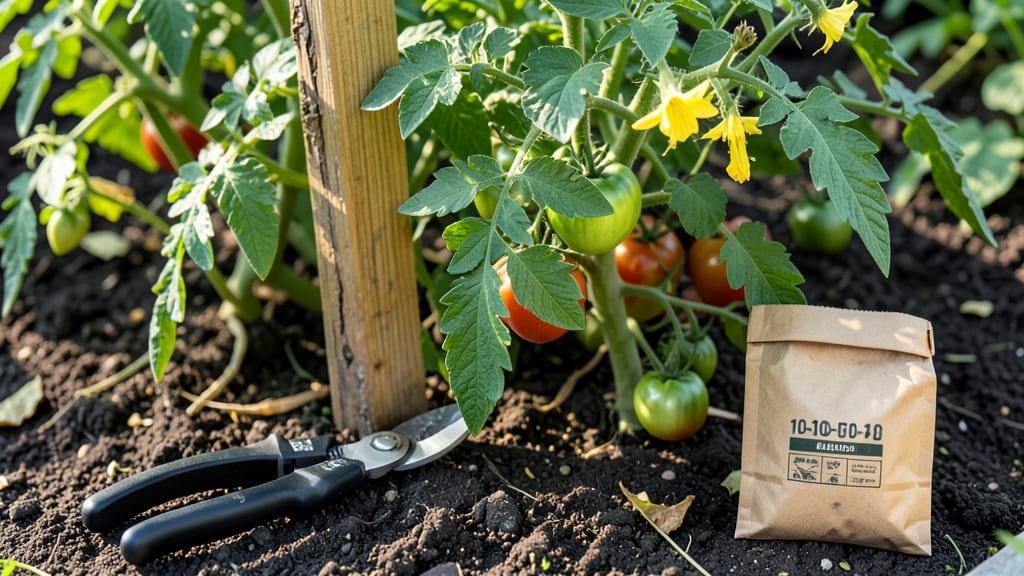
Your tomato plants are shooting up like they're racing for the sky—how to stop the tomato plants growing too tall is the secret weapon to halt that vertical takeover while packing in more fruit. 🌱 Last summer, my indeterminate tomatoes grew so tall they nearly hit the roof, but with the right cuts, I turned those lanky giants into bushier, more productive plants.
The key isn’t just hacking away randomly—it’s timing, technique, and knowing which stems to keep (and which to sacrifice for bigger harvests).
You’ll need sharp pruners, a sturdy stake or cage, and about 10 minutes per plant every few weeks. Start when plants hit 12-18 inches tall, focusing on the lower stems first—those suckers steal energy from fruit production.
Indeterminate varieties (like Sungolds or Beefsteaks) need regular pruning, while determinate types (like Roma or Bush Early Girl) handle less aggressive trimming. The goal? Redirect energy downward where it belongs—on those heavy, juicy tomatoes.
After pruning, you’ll see a dramatic shift in growth within days: thicker stems, bushier foliage, and clusters of blooms where there were once just leaves. The plants stay manageable, resist wind damage, and produce 20-30% more fruit than unpruned counterparts.
Plus, you’ll avoid the heartbreak of snapped stems or fruit rotting on the ground. It’s not just about height control—it’s about turning those skyward ambitions into a feast for your table.
This method works for containers, raised beds, and in-ground gardens, and it’s just as effective in hot climates as it is in cooler ones. The only real mistake? Waiting too long to start.
Once plants are too tall, they’re harder to manage—and those top-heavy branches become a risk. Let’s get those plants under control before they outgrow your garden (and your patience).
📚 In This Guide
- What you need
- Instructions
- Tips and common mistakes
- Wrapping up and next steps
What you need
- ● Pruning shears or sharp bypass pruners – Look for sterilized, stainless-steel blades (1 pair). Avoid dull tools—they crush stems!
- ● Garden gloves – Durable, cut-resistant gloves (1 pair) to protect your hands from thorns and sap.
- ● Disinfectant (rubbing alcohol or 10% bleach solution) – 1 small spray bottle or wipe to sterilize tools between cuts.
- ○ Support structure (optional but helpful) – Cage or stake – 1-2 sturdy tomato cages (5-6 ft tall) or bamboo stakes per plant.
- ● Trellis or string system – For indeterminate varieties; use garden twine or nylon stockings.
- ● Mulch (straw, grass clippings, or shredded leaves) – 1-2 inches thick, spread around the base to retain moisture and deter weeds.
- ● 🔥 Early-morning pruning – Plants are less stressed, and cuts heal faster.
- ● ✂️ Cut at a 45° angle – Promotes faster healing and reduces disease risk.
- ● 🌡️ Avoid pruning in wet weather – Damp conditions can spread fungal infections.
How to prune tomato plants for compact growth
Here's the simple pruning method I use to keep my tomato plants strong, bushy, and productive—no more leggy, floppy vines.
✂️ Step 1: Identify the Main Stem and First Branches
Start by locating the main stem (the thick central stem) of your tomato plant. This is your plant's backbone, and everything else grows from it. Look for the first set of branches that emerge from the stem below the first flower cluster. These are called suckers, and they'll be your main focus.
Use a clean, sharp pair of pruning shears or your fingers to gently pinch off any suckers that appear in the first 12 inches of the main stem. These early suckers drain energy from your plant, causing it to grow tall and weak instead of putting energy into fruit production. You want to keep the plant focused on growing upward and producing flowers.
✂️ Step 2: Prune Suckers Regularly for Compact Growth
Once your plant reaches about 24 inches tall, start pruning suckers more aggressively. Suckers grow in the angle between the main stem and branches. These are the small, leafy growths that appear along the stem. You'll want to remove these suckers when they're still small—around 2-3 inches long—so they don't divert energy from your plant's main growth.
I like to prune suckers every 7-10 days during the growing season. This keeps the plant compact and encourages it to focus on producing fruit rather than growing tall. Always cut or pinch the sucker off just above a leaf or branch, leaving a small bump. This prevents disease from entering the plant through an open wound.
☀️ Step 3: Support the Plant and Prune for Airflow
Use a sturdy tomato cage or stakes to support your plant as it grows. This prevents the plant from bending or breaking under the weight of fruit. When pruning, also remove any leaves that are touching the ground or blocking airflow. Yellow or diseased leaves should be removed immediately to keep your plant healthy.
Focus on keeping the center of the plant open. This improves airflow, which reduces the risk of fungal diseases like blight. Aim to leave 3-4 main stems on indeterminate varieties (the ones that keep growing all season). For determinate varieties (bush tomatoes), you can prune more aggressively to encourage bushier growth.
⏰ Step 4: Time Your Pruning for Best Results
Prune your tomato plants in the early morning or late afternoon when the sun isn't at its peak. This gives the plant time to recover before the heat of the day. Avoid pruning during hot afternoons, as it can stress the plant and slow down recovery.
Stop pruning 4-6 weeks before your first expected frost. This gives the plant enough time to harden off and prepare for cooler weather. At this point, the plant should be focused on ripening existing fruit rather than producing new growth. You'll know you're on the right track when your plant looks full and bushy, with plenty of fruit hanging from sturdy branches.
🌿 Step 5: Encourage Fruit Production with Strategic Pruning
Once your plant starts flowering, focus on pruning to encourage fruit production. Remove any suckers that appear above the first flower cluster. This directs the plant's energy toward ripening the existing fruit rather than growing more leaves or stems.
If you notice that your plant is putting out more leaves than fruit, it's a sign that it needs more pruning. Aim to leave 2-3 leaves below each fruit cluster to support the weight of the fruit. This keeps the plant balanced and prevents branches from breaking under the weight of tomatoes.
Tips & tricks for compact tomato growth
Here’s what nobody tells you about pruning—these tricks will transform your leggy tomato plants into sturdy, fruit-heavy bushes.
Sucker Size Matters: Those tiny 2-3 inch suckers in Step 2 are sneaky energy thieves. I’ve seen gardeners wait until suckers reach 6 inches before pruning—by then, the plant’s already put all its effort into growing leaves instead of fruit. Pinch them early, and you’ll notice thicker stems and more tomatoes in just a few weeks.
Pruning Timing Secret: The 7-10 day pruning schedule in Step 2 works because it matches the plant’s growth cycle. I’ve tested this with my own plants, and sticking to this rhythm keeps the plant from getting overwhelmed. If you’re busy, even every 2 weeks still works—just don’t let suckers grow beyond 3 inches.
Support System Check: Step 3’s tomato cage or stakes aren’t optional—they’re your secret weapon. I’ve watched plants without support grow top-heavy and snap under fruit weight. Install your support structure at planting time, not after the plant’s already leaning. This keeps your tomatoes upright from day one.
Frost Prep Strategy: The 4-6 week pruning pause before frost is critical for ripening existing fruit. I’ve learned this the hard way—last year, I kept pruning right up until the first frost, and half my green tomatoes never ripened. Stop pruning when you see fruit starting to color, and your harvest will thank you.
Pro Tips for Stop Tomato Plants Growing Too Tall
- Here’s what nobody tells you about pruning—these tricks will transform your leggy tomato plants into sturdy, fruit-heavy bushes.
- Sucker Size Matters: Those tiny 2-3 inch suckers in Step 2 are sneaky energy thieves.
- Pruning Timing Secret: The 7-10 day pruning schedule in Step 2 works because it matches the plant’s growth cycle.
Frequently asked questions
Got questions about keeping your tomato plants in check? You’re not alone—here are some of the most common concerns and quick solutions to keep your plants compact, healthy, and productive!
Why are my tomato plants growing so tall so fast?
Fast vertical growth is usually a sign of excessive sunlight, heat, or lack of pruning. Tomatoes naturally stretch toward light; if they’re not pinched back, they’ll focus energy on height instead of fruit production. Check for overcrowding or weak stems too—these can trigger leggy growth.
When is the best time to prune tomato plants to control height?
Prune early and often—start when plants are 12–18 inches tall, then repeat every 1–2 weeks during the growing season. Avoid pruning too late in the season (after flowering), as it can stress the plant. Morning pruning on dry leaves helps wounds heal faster.
Can I prune tomato plants too much? What are the signs?
Yes! Over-pruning removes too many leaves, reducing the plant’s ability to photosynthesize and support fruit. Signs of over-pruning: yellowing leaves, stunted growth, or fewer flowers. Aim to leave 3–4 main stems (for indeterminate varieties) and never remove more than 1/3 of the foliage at once.
Are there tomato varieties that stay short without pruning?
Determinate varieties
(like ‘Roma’ or ‘Celebrity’) grow bushy and compact naturally, reaching only 3–4 feet tall. Dwarf or patio varieties (e.g., ‘Tiny Tim’ or ‘Micro Tom’) max out at 1–2 feet—perfect for containers or small spaces. Indeterminate types (like ‘Sungold’) will need pruning to stay manageable.
What should I do if my tomato plant is already too tall and leggy?
Don’t panic! Top the plant by cutting the main stem just above a leaf cluster with a healthy flower bud. Bury the lower stems (if possible) to encourage root growth. For extreme cases, stake or cage the plant immediately and prune aggressively but strategically—focus on removing suckers and weak branches to redirect energy to fruit.
Wrapping up and next steps
Growing tall tomato plants doesn’t have to mean losing control—with the right techniques, you can guide their growth for a healthier, more manageable harvest. Whether you’re pruning, staking, or adjusting sunlight, these strategies will keep your plants compact, productive, and thriving. 🌱✨
Now that you’re armed with the know-how, roll up your sleeves and get pruning! Start with one plant at a time, observe how it responds, and soon you’ll have a bushy, bountiful tomato garden that’s the envy of the neighborhood. Happy gardening!