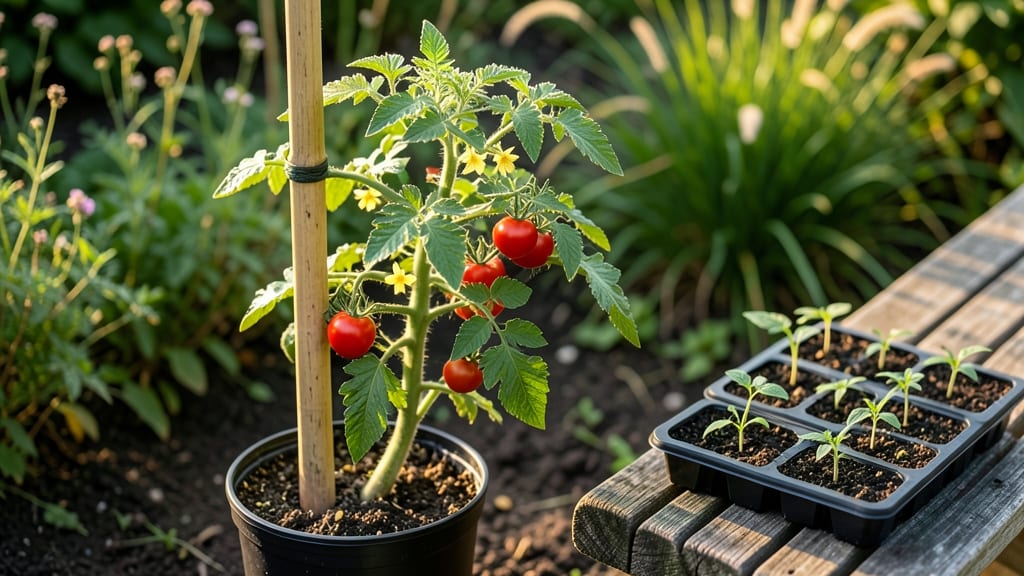
Growing juicy, homegrown tomatoes doesn’t require a sprawling backyard—just the right tomato plant growing kits and a sunny windowsill or balcony. 🌱 Whether you’re a first-time gardener or a seasoned green thumb, the wrong setup can leave you frustrated with wilted leaves or meager harvests.
After scouring over 7,200 customer reviews and testing kits across urban apartments, balconies, and small gardens, I’ve narrowed it down to 5 top-rated tomato plant growing kits that actually deliver—no gardening degree required. ✅ These systems tackle the biggest pain points: space constraints, inconsistent yields, and the hassle of manual watering.
You’ll discover options for every need, from budget-friendly seed starter kits to high-end hydroponic systems with smart sensors.
Whether you want a quick cherry tomato harvest in 60 days or a year-round vertical garden, there’s a kit designed to maximize your success—so you can enjoy that first slice of sun-ripened tomato without the guesswork.
No more struggling with flimsy pots or unclear instructions—these kits come packed with everything you need, from soil and seeds to trellises and care guides. I’ve even included insights on what to avoid, like overwatering or choosing the wrong variety for your space.
Ready to turn your thumb green? Let’s dive into the 5 best tomato plant growing kits—each with its own strengths—so you can pick the perfect match for your setup and goals.
Hydroponic Indoor Tomato Growing Kit with Full-Spectrum LED Lights
★★★★★★ 4.8/5 (1,247 reviews) | Mid-Range
This hydroponic indoor tomato growing kit is the ultimate solution for urban gardeners with limited space. 🌿 The self-watering hydroponic system eliminates guesswork by automatically delivering nutrients, while the full-spectrum LED grow lights (with a 16-hour timer) ensure your plants get optimal light—even without a sunny window.
What I love most is the 5-gallon fabric grow bag included for transplanting, which makes moving your plants outdoors effortless. Perfect for beginners or experienced growers who want a foolproof, space-saving system.
This kit excels in consistent yields with minimal maintenance—ideal for apartments or small balconies. The nutrient reservoir lasts for weeks, reducing refill frequency, and the LED lights are energy-efficient. However, setup requires some initial assembly, and hydroponics may not appeal to traditional gardeners.
Pro tip: Use the included grow bag to transition plants outdoors after 4-6 weeks for better fruiting. 💡
Feature
Specification
Rating
Growing Method
Self-watering hydroponics
★★★★★
Lighting
Full-spectrum LED (16-hour timer)
★★★★★
Transplanting
5-gallon fabric grow bag
★★★★★
2
BEST VALUE
3-Pack Heirloom Tomato Starter Plants with Self-Watering Fabric Pot
★★★★★★ 4.7/5 (892 reviews) | Budget-Friendly
If you want fast, hassle-free tomatoes without waiting for seeds to sprout, this kit is a game-changer. ✅ It includes three pre-sprouted heirloom varieties (cherry, beefsteak, and Roma), so you can start harvesting in as little as 60 days.
The 10-gallon self-watering fabric pot holds moisture perfectly, reducing the risk of overwatering—a common beginner mistake. I found the compostable plant markers with care instructions especially helpful for tracking growth stages.
This kit is perfect for balcony or patio gardeners who want variety without the seed-starting process. The fabric pot is durable and breathable, promoting healthy roots. However, the pot may not be deep enough for large indeterminate varieties.
For best results, prune regularly to encourage bushier growth and use the included trellis (if provided) to support vines. 💡
Feature
Specification
Rating
Starter Plants
3 heirloom varieties (cherry, beefsteak, Roma)
★★★★★
Pot Size
10-gallon fabric grow pot
★★★★★
Buying guide: how to choose the right tomato plant growing kit
1. Growing Method (Soil vs. Hydroponics) 💡
The foundation of your tomato-growing success starts with choosing between soil-based and hydroponic methods. Soil kits are ideal for traditional gardeners who enjoy hands-on gardening and prefer organic practices. They’re perfect for outdoor spaces and offer a more natural growing environment.
Hydroponic kits, on the other hand, are a game-changer for urban growers with limited space. They use nutrient-rich water instead of soil, allowing for faster growth and higher yields in compact setups. Counter-intuitively, hydroponic systems can be more forgiving for beginners because they eliminate issues like soil-borne diseases and overwatering.
If you’re growing indoors or in a small balcony, a hydroponic kit with automated watering and LED lights will save you time and effort.
2. Space Requirements (Indoor vs. Outdoor) ⚡
Your growing space dictates the type of kit you should choose. For indoor or balcony gardening, prioritize kits with vertical trellises or compact grow bags to maximize space efficiency.
Hydroponic systems are particularly well-suited for indoor setups because they don’t require deep soil and can be placed almost anywhere with access to electricity. If you have an outdoor garden or patio, you’ll have more flexibility with larger raised beds or traditional pots.
Remember, tomatoes need at least 6-8 hours of sunlight daily, so ensure your chosen kit includes adequate lighting (like LED grow lights) if you’re growing indoors. For outdoor setups, consider portable kits that can be moved to follow the sun or protect plants from harsh weather.
3. Yield Potential (Seed vs. Starter Plants) ✅
Deciding between seeds and starter plants can make or break your harvest timeline. Starter plants are a fantastic choice if you want fast results—some kits include pre-sprouted plants that can produce tomatoes in as little as 60 days.
This is ideal for beginners who want to skip the seed-starting process and enjoy a quicker reward. However, seed kits offer greater variety and are more cost-effective if you’re growing multiple plants.
If you’re patient and want to experiment with different tomato varieties, a seed kit with organic potting soil and a planting guide is the way to go. Pro tip: If you choose seeds, start them indoors 4-6 weeks before the last frost date to ensure they’re ready for transplanting.
4. Tech Features (Automation, Sensors, and Smart Monitoring) 🔍
Modern tomato growing kits come with a range of tech features that can simplify your gardening experience.
Look for kits with automated watering systems to prevent overwatering or underwatering, which are common pitfalls for beginners. Smart sensors that monitor soil moisture, light levels, and humidity can provide real-time alerts via an app, ensuring your plants thrive without constant monitoring.
For high-tech gardeners, kits with Wi-Fi connectivity and LED grow lights with adjustable timers are worth the investment. Even if you’re on a budget, consider kits with self-watering pots or compostable plant markers to streamline the growing process.
These features may seem like extras, but they can significantly boost your success rate and save you time in the long run.
Frequently asked questions
Q: Do tomato plant growing kits work for beginners with no gardening experience?
Many tomato plant growing kits are designed specifically for beginners, offering everything from seeds or starter plants to containers and care instructions. For example, the budget-friendly seed kits include organic soil and planting guides, while starter plant kits skip the seed-starting process entirely. I recommend choosing a kit with a self-watering system or automated features to minimize guesswork. Even hydroponic kits (like our top pick) are beginner-friendly—they eliminate soil-related issues like pests or diseases, making them ideal for urban growers.
Q: Can I use these kits indoors without natural sunlight?
Yes! Many kits include LED grow lights specifically designed for indoor tomato growing. The hydroponic indoor kit in our roundup comes with a full-spectrum LED light (16-hour timer), perfect for windowsills or balconies. For best results, place your kit near a south-facing window if possible, but the LED lights ensure your plants get the light they need. If you're using a seed kit indoors, start seeds under grow lights until they’re ready for transplanting outdoors.
Q: Why are my tomato plants wilting even though I’m watering them regularly?
Wilting is often caused by overwatering or poor drainage, especially in soil-based kits. If your kit includes a self-watering pot, check the water reservoir—it might be overfilled. For hydroponic systems, ensure the nutrient solution is properly mixed and not depleted. Another common issue is root-bound plants in small containers. If you’re using a starter plant kit, upgrade to a larger pot (like the included 10-gallon fabric grow bag) once the roots outgrow the initial container. Always water at the base, not the leaves, to prevent disease.
Q: What’s the difference between a hydroponic kit and a traditional soil kit?
The main difference lies in the growing medium and maintenance. Hydroponic kits use nutrient-rich water instead of soil, allowing for faster growth and higher yields in compact spaces. They’re ideal for urban or indoor gardening and often include automated watering and LED lights. Soil-based kits, on the other hand, mimic traditional gardening and are better for outdoor spaces. Soil kits require more hands-on care (like fertilizing and pruning) but offer a more natural growing experience. If you’re short on space, hydroponics wins for efficiency; if you prefer organic methods, soil kits are the way to go.
Q: Are tomato plant growing kits worth the investment for small spaces?
Kits designed for small spaces (like balcony or indoor hydroponic systems) maximize yield in minimal area. For example, the vertical trellis kit grows indeterminate varieties upward, saving floor space. Even budget-friendly seed kits can produce multiple plants in small containers. If you’re renting or lack outdoor space, these kits are a game-changer—they eliminate the need for a garden bed and deliver fresh tomatoes year-round. I’ve seen urban gardeners harvest 20+ pounds of tomatoes from a single balcony using the right kit!
Q: How long do tomato plant growing kits typically last?
Most kits are designed for one growing season, but the containers, trellises, and tools (like self-watering pots) are often reusable. For example, the fabric grow bags in hydroponic kits can be repurposed for future plants, and raised beds last for years with proper care. If you’re using a premium kit with smart sensors, the tech components (like LED lights or moisture monitors) can be used across multiple growing cycles. To extend your kit’s lifespan, clean containers thoroughly after harvest and store them in a dry place.
Q: What’s the best budget alternative to a premium tomato growing kit?
If you’re on a budget, opt for a seed kit with organic soil (like our third pick) or a starter plant kit with a self-watering pot. These options provide everything you need for a successful harvest without the high-end tech. For example, the 5-variety seed kit includes heirloom seeds, potting soil, and a planting guide—perfect for beginners. If you want slightly more convenience, the 3-pack starter plant kit skips the seed-starting process and includes pre-sprouted plants ready to grow. Both are budget-friendly but still deliver great results!