
Companion Plants
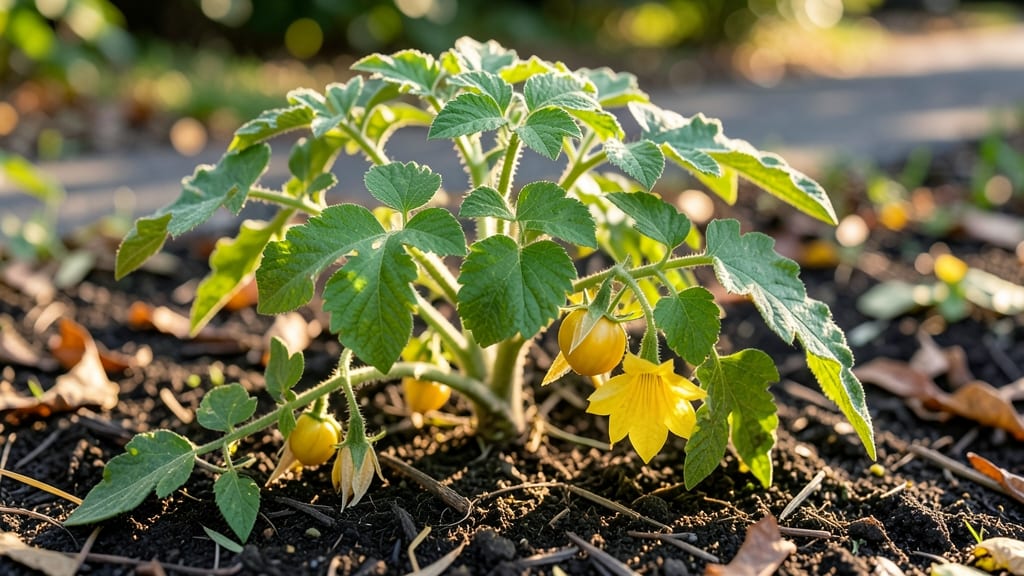
Growing ground cherry tomato plants on a trellis turns those papery orange fruits into a year-round harvest instead of a fleeting summer treat. 🌱 I learned the hard way that letting them sprawl means fewer fruits and more pests—until I built a simple trellis system that doubled my yield and kept them off the ground.
The key is matching their needs: 6-8 hours of sun, well-draining soil with compost, and a sturdy trellis (even a DIY bamboo frame works). Water consistently at the base—never overhead—to prevent disease. My plants now climb happily, producing hundreds of fruits from spring through fall, even in cooler climates.
You’ll harvest sweet, tangy tomatoes that burst with flavor, not the mealy store-bought kind. The trellis also keeps them cleaner and easier to pick, saving your back from bending over soggy vines. Plus, the decorative foliage adds a tropical touch to any garden corner.
Works for containers, raised beds, or in-ground plantings. Here’s how to set it up without the guesswork!
📚 In This Guide
- What you need
- Instructions
- Tips and common mistakes
- Wrapping up and next steps
What you need
- ● Ground cherry tomato seeds or seedlings: Choose disease-resistant varieties like 'Goldie' or 'Black Prince' (6-12 plants, depending on space).
- ● Trellis or support system: Bamboo stakes (5-6 ft tall, 3-5 stakes per plant)
- ● OR a sturdy tomato cage (5-6 ft tall, 1 per plant)
- ● OR a DIY wire trellis (16-18 gauge galvanized wire, 6-8 ft tall)
- ● Potting mix or garden soil: Well-draining, nutrient-rich soil (1-2 bags for containers or amend existing garden beds).
- ● Compost or organic fertilizer: Balanced 10-10-10 or tomato-specific fertilizer (1-2 lbs per plant).
- ● Mulch: Straw or shredded leaves (1-2 inches thick to retain moisture).
- ● Basic gardening tools: Trowel or hand shovel
- ● Pruning shears (for trimming vines)
- ● Gloves (to protect your hands)
- ● Watering supplies: Drip irrigation kit or watering can (1-2 gallons capacity)
- ○ Soaker hose (optional, for efficient watering)
- ○ Support accessories (optional but helpful): Soft plant ties or twine (to secure vines to trellis)
- ● Cloche or row cover (for early-season protection from frost)
- ● Stake clips (to keep vines in place without tying)
- ● Prerequisites: Full sun location (6-8 hours of sunlight daily)
- ● Well-draining soil (pH 6.0-6.8)
- ● Space for vines to sprawl (3-4 ft diameter per plant)
Instructions for growing ground cherries with a year-round trellis
Here's the straightforward method I've used to coax heavy harvests from ground cherries—even in cooler climates.
🌱 Step 1: Select and Prepare Your Trellis Site
Ground cherries thrive when their vines climb, so choose a location with partial shade to full sun (at least 4-6 hours daily). I always pick a spot near my kitchen so I can harvest fresh fruit without trekking across the yard. Clear the area of weeds and loosen the top 6 inches of soil with a fork—this helps roots spread and absorb water efficiently.
If your soil drains poorly, mix in 2 inches of compost from the materials list into the top layer. Ground cherries hate soggy roots, so if you're in a wetter climate, consider building a raised bed frame (even a simple wooden box works). The key is keeping the soil loose and well-draining—this prevents the classic ground cherry problem of blossom-end rot.
🪴 Step 2: Install the Trellis Structure
For 4 plants, use a 5-foot tall trellis (like a sturdy tomato cage or a wooden lattice). I like to bury the base 6 inches deep in the soil for stability—this prevents the trellis from toppling when vines get heavy with fruit. Space plants 18-24 inches apart in a square pattern so they can grow toward the center of the trellis.
If you're growing in containers, use a smaller 3-foot trellis and place it in the center of the pot. The vines will naturally wrap around the structure, saving you from constantly tying them up. Here's the thing—ground cherries produce hundreds of tiny fruits, so the trellis isn't just for show. It keeps the fruit off the ground (where it rots) and makes harvesting a breeze.
☀️ Step 3: Plant and Train Vines Early
Plant seeds ¼ inch deep or set out transplants after the last frost when soil reaches 60°F. I like to bury the lower leaves slightly—this encourages stronger root growth. The moment you see true leaves (not the first tiny seed leaves), start gently weaving the main vine up the trellis. Don't wait until the plant is tall—ground cherries grow fast, and leggy vines are harder to train later.
Once the vine reaches the top of the trellis (about 4-5 feet), pinch off the growing tip. This sounds counterintuitive, but it forces the plant to put energy into side branches instead of one long stem. You'll see small clusters of flowers forming along those side branches within 2-3 weeks. Here's where it gets fun—the more you train the vines, the more fruit you'll get.
💧 Step 4: Water and Feed for Continuous Blooms
Water deeply 2-3 times per week, aiming for 1 inch of water total. Let the top 1-2 inches of soil dry out between waterings—this prevents blossom-end rot, which turns the fruit into mushy, worthless pulp. I water at the base in the morning so the leaves stay dry, which cuts down on disease risk. Mulch with 2 inches of straw to keep moisture in and weeds out.
Feed with a balanced fertilizer (10-10-10) every 4-6 weeks during the growing season. The goal is to keep the plant producing flowers and fruit nonstop. You'll know you're doing it right when you see new blooms forming even as old fruit ripens. If the plant looks leggy or flowers drop off, it's usually a sign of either not enough light or too much nitrogen (which encourages leafy growth over fruit).
⏰ Step 5: Harvest and Extend the Season
Ground cherries ripen 60-70 days after planting, but they don't all mature at once. Harvest when the paper-like husk turns golden brown and feels dry to the touch. Gently twist the fruit—it should pop free easily. I pick every 2-3 days in peak season because these fruits rot fast once ripe. The flavor? Like a cross between a tomato and a cherry, but sweeter and more complex.
To extend the season, cover plants with row fabric when temperatures drop below 50°F at night. Ground cherries are semi-tender, so they'll survive light frosts if protected. In warmer climates, you can even get two harvests per year by planting a second crop in late summer. The trellis makes this easy—just train the new vines up alongside the old ones.
Tips & tricks for growing ground cherries with a year-round trellis
Here's what nobody tells you about maximizing your harvest with minimal effort—these tricks have saved me from wasted seasons.
Soil Drainage is Non-Negotiable: The instructions mention compost for poor drainage, but I've learned the hard way that ground cherries need more than just compost. If your soil stays damp for more than 24 hours after watering, build a raised bed or add a layer of gravel at the bottom before planting. I once lost an entire crop because I ignored this—now I test drainage by digging a hole, filling it with water, and timing how long it takes to drain. If it's slower than 4 hours, I know I need to improve drainage. This prevents the dreaded blossom-end rot that turns fruit into mushy disappointment.
Trellis Height Matters More Than You Think: While the instructions call for a 5-foot trellis, I've found that adding an extra foot (6 feet total) in cooler climates gives vines more room to escape early frosts. The key is positioning the trellis so the top extends above your expected frost line. In containers, that 3-foot trellis works, but I add a second smaller trellis inside the pot for extra support when fruit load gets heavy. The vines will naturally climb both structures, creating a dense canopy that produces more flowers and fruit.
Pinching at the Right Time: The instructions mention pinching when vines reach 4-5 feet, but timing is everything. I look for when the main vine has about 5-6 leaves below the growing tip—this is when the plant has enough energy to support new side branches. If you pinch too early, you'll limit growth; too late, and you'll get fewer side branches. I also pinch any suckers (side shoots) that form below the first set of leaves on the main stem—this directs all energy upward where it belongs. This simple step can double your fruit production.
Harvesting Strategy for Continuous Production: Ground cherries ripen unevenly, so I've developed a system to maximize yield. Start by harvesting the ripest fruits every other day during peak season (60-70 days after planting), then switch to every 3 days once production slows. The trick is to always leave some fruit on the plant—this stimulates more flowers to form. I also harvest in the morning when fruits are firmest, which helps prevent bruising. Store them in a single layer on a tray in the fridge to avoid crushing, and they'll keep for up to 5 days.
Pro Tips for Ground Cherry Tomato Plants
- Here's what nobody tells you about maximizing your harvest with minimal effort—these tricks have saved me from wasted seasons.
- Soil Drainage is Non-Negotiable: The instructions mention compost for poor drainage, but I've learned the hard way that ground cherries need more than just compost.
- Trellis Height Matters More Than You Think: While the instructions call for a 5-foot trellis, I've found that adding an extra foot (6 feet total) in cooler climates gives vines more room to escape early frosts.
Frequently asked questions
Got questions about growing ground cherry tomato plants? You're not alone!
Here are some of the most common queries—and their answers—to help you grow these sweet, papery-skinned gems like a pro.
How soon can I expect fruit after planting ground cherry tomato plants?
Ground cherries typically take 60–80 days from transplanting to harvest, depending on your climate and variety. If you start seeds indoors 6–8 weeks before the last frost, you’ll likely see fruit by mid-to-late summer. For year-round harvests, stagger plantings every 2–3 weeks for a continuous supply.
Can I grow ground cherry tomato plants in containers, or do they need a garden bed?
Ground cherries thrive in 5-gallon containers or larger with well-draining soil and a trellis for support. Just ensure the pot has drainage holes and place it in a spot with 6–8 hours of sunlight daily. Containers also make it easier to move plants indoors if frost threatens.
What pests should I watch for, and how do I keep them away?
Common pests include aphids, whiteflies, and tomato hornworms. Use neem oil or insecticidal soap for soft-bodied pests, and handpick hornworms (they’re sneaky but visible!). Pro tip: Plant basil or marigolds nearby—they repel pests naturally while boosting flavor!
Do ground cherry tomato plants need special care in hot or cold climates?
These plants are heat-tolerant but may struggle in extreme cold (<32°F). In hot climates, provide afternoon shade and mulch to retain moisture. For cold regions, grow them in containers or raised beds and move them indoors before frost. Bonus: Their papery husks protect fruit from cracking in fluctuating temps!
What can I do if my ground cherry tomato plants stop producing fruit?
Fruit set can stall due to lack of pollinators, heat stress, or over-fertilization. Hand-pollinate with a small brush if bees are scarce, avoid high-nitrogen fertilizers (they promote leaves over fruit), and ensure consistent watering. If flowers drop without fruiting, it may be too hot—provide shade cloth until temps cool.
Wrapping up and next steps
Growing ground cherry tomato plants on a trellis isn’t just about maximizing space—it’s about unlocking a bountiful, year-round harvest with minimal fuss.
By mastering companion plants, pruning techniques, and seasonal care, you’ll transform your garden into a high-yielding haven. Your next step? Grab those stakes, pick your favorite varieties, and start experimenting—your taste buds (and Instagram feed) will thank you! 🌱✨