
Planting
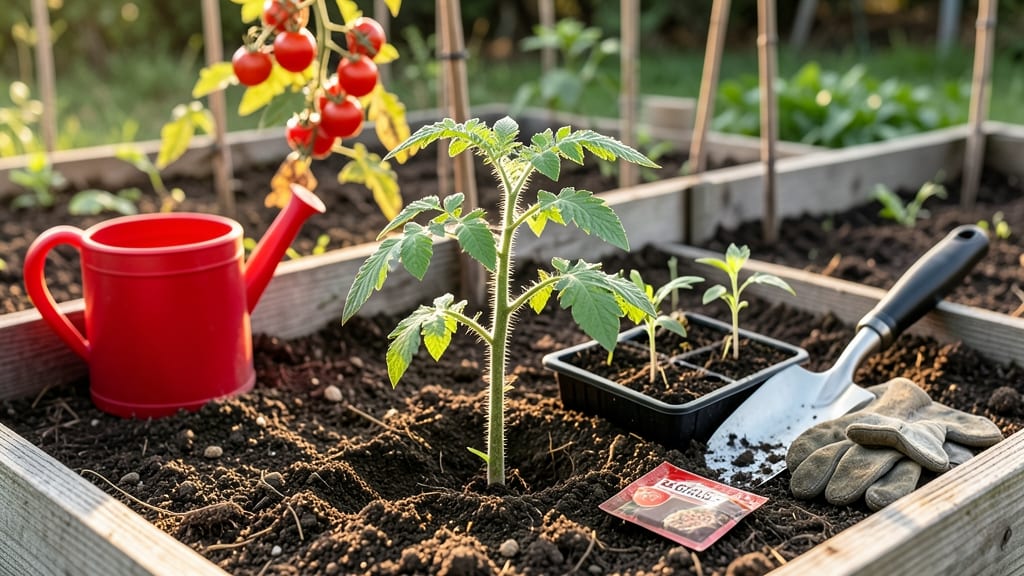
It is too late to plant tomato seeds for a full season? Not necessarily—with the right varieties and timing, you can still yield a plentiful harvest even when starting late. Watching your neighbors' tomato plants flourish while your seed packets gather dust?
Don’t toss them yet—some tomato varieties can still deliver a bountiful harvest even when planted late in the season.
In Zone 6a, where the last frost typically hits around April 15, you’ve got a narrow window to act. But with fast-growing types and a few smart tricks, you can still coax 60- to 75-day tomatoes to maturity before the first frost in October.
Below, I’ll break down the exact varieties that work best for late planting, how to stretch your growing season, and the one mistake that kills even the hardiest seedlings when the weather turns.

How late is too late for planting tomato seeds?
Determining the perfect time to plant tomato seeds depends on your local frost dates and growing season length. Most gardeners aim to plant after the last frost date, but late plantings can still succeed with the right approach.
The key is understanding your tomato variety's maturity time and adjusting your planting schedule accordingly.
For example, in USDA Zone 6a, where the frost-free period spans about 165 days, you typically plant seeds in April or early May.
However, if you choose fast-maturing varieties, you might extend your planting window into June or even early July—just be prepared for a smaller harvest.
Your soil temperature is just as critical as frost dates. Tomato seeds need soil that's at least 60°F (15°C) to germinate properly. Cold soil can delay germination by weeks, leaving your plants vulnerable to late frosts. Always check soil temperature with a soil thermometer before planting.
| Factor | Ideal Condition | Last-Minute Adjustment |
|---|---|---|
| Frost Dates | Plant after last frost | Use row covers for late frosts |
| Soil Temperature | 60°F+ (15°C+) | Warm soil with black plastic |
| Variety Maturity | 60-90 days to harvest | Choose <60-day varieties |
| Sunlight | 6+ hours daily | Use reflective mulch |
| Planting Window | April-May (Zone 6a) | June-July (with adjustments) |
If you're in a warmer climate, like USDA Zone 8 or higher, your window stretches longer—possibly into July or August. However, late-season heat can stress plants, so focus on shade cloth and consistent watering to protect your seedlings.
In cooler regions, aim for early June at the latest, pairing your seeds with fast-growing varieties.
Another critical factor is your tomato variety's days to maturity. A 60-day variety planted in early July might still produce fruit before frost, while a 90-day heirloom planted the same time will likely fail. Always check seed packets for maturity timelines and adjust your planting date accordingly.
For gardeners in short-season zones, consider starting seeds indoors 6-8 weeks before your last frost date. This gives you a head start and allows you to transplant hardier seedlings into the garden later. Use grow lights or a sunny windowsill to keep seedlings strong until outdoor conditions improve.
If you've already missed your ideal planting window, don't panic—container gardening can save the day. Growing tomatoes in large pots (at least 5 gallons) gives you control over soil temperature and moisture.
Place containers near your home's south-facing wall to absorb and retain heat, extending the growing season by weeks.
Protecting your late-planted tomatoes from pests and diseases is also essential. Use row covers or floating row fabric to shield seedlings from aphids, flea beetles, and other early-season pests.
Avoid overhead watering, which can spread fungal diseases like early blight, and always water at the base of the plant in the morning.
Remember, even late plantings can yield delicious tomatoes if you choose the right varieties and provide optimal care. Focus on fast-maturing types, warm soil, and protective measures to maximize your harvest.
With the right approach, you might just beat the frost and enjoy homegrown tomatoes well into fall! 🍅
Fast-growing tomato varieties perfect for last-minute planting
If you're staring at those tomato seed packets wondering if it's too late, I've got good news: some varieties mature so quickly they can still give you a harvest even when planted late. The key is choosing early-maturing hybrids and heirlooms that thrive in short seasons.
These varieties can go from seed to harvest in as few as 50-60 days, leaving plenty of time for fruit development before fall frost.
For northern climates or late starts, prioritize varieties labeled "early" or "fast-maturing" on seed packets. These often include cherry tomatoes and small-fruited types, which grow quickly and produce abundantly. Even if you miss the ideal planting window, these varieties can still deliver a rewarding harvest with the right care.
Here's a breakdown of my top recommendations, including both heirloom and hybrid options that consistently perform well in late plantings:
Late Planting Tomato Varieties
Days to Harvest: 50-60
Pros: Disease-resistant, reliable producer, great for containers
Days to Harvest: 55-60
Pros: Sweet cherry tomatoes, prolific, thrives in heat
Days to Harvest: 60-65
Pros: Cold-hardy, early producer, unique yellow-green fruit
Days to Harvest: 55-60
Pros: Compact, perfect for containers, early fruit set
Use black plastic mulch to warm soil, plant deeper than usual (up to seed leaves), and provide afternoon shade in hot climates
My personal favorite for late plantings is Sungold cherry tomatoes. They're not only fast but incredibly productive, often giving me pounds of fruit from just a few plants. The Stupice variety is another winner—it's surprisingly cold-tolerant and can handle lighter frosts better than most tomatoes.
For container gardeners, Patio tomatoes are a game-changer with their compact size and early maturity.
When selecting seeds, look for varieties labeled "early" or "fast-maturing"—these are specifically bred to reach maturity quickly. Even if you're planting in July or August, these varieties can still produce a harvest before frost if given proper care.
Pair them with season-extending techniques like row covers or cold frames to maximize your chances of success.
Remember that soil temperature matters just as much as air temperature. Use a soil thermometer to ensure your planting site stays above 60°F—this is crucial for germination and early growth.
With the right variety and a little extra attention, you can still enjoy homegrown tomatoes even when planting late in the season.
Don't let missed deadlines discourage you—some of the most rewarding harvests come from last-minute plantings with the right fast-growing varieties. Grab those seeds and give these varieties a try—they might just surprise you with their productivity! 🌱