
Pruning
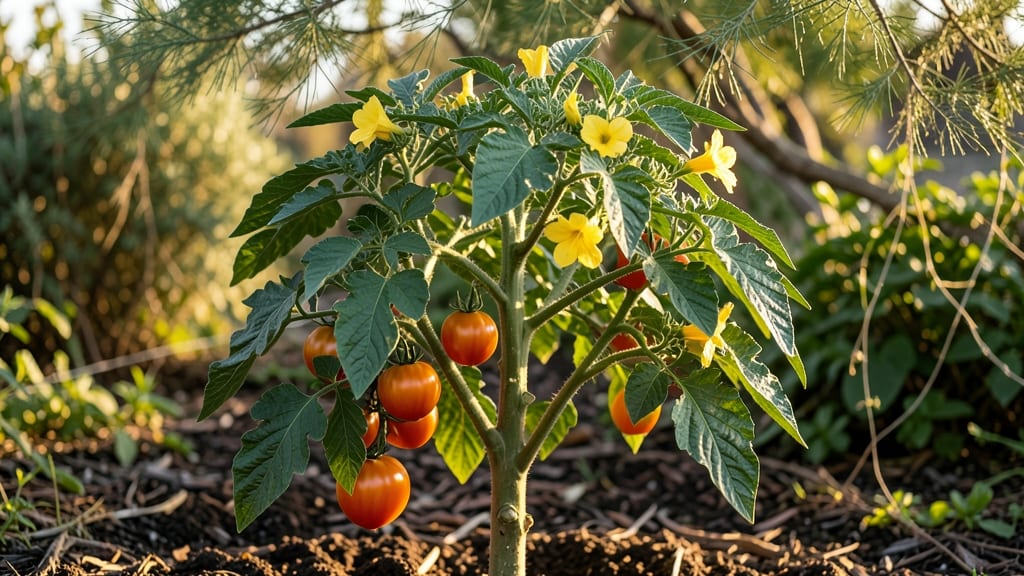
Growing tree tomato fruit is like having a tropical fruit tree in your backyard—without the fuss of heavy pruning. 🌿 These golden-orange gems (Solanum betaceum) thrive with minimal care, producing fruit year-round in the right climate.
I’ve grown them for three seasons, and they’ve never failed to deliver sweet, juicy rewards with just basic maintenance.
The secret lies in their adaptability—tree tomatoes handle partial shade, irregular watering, and even container growing better than most tropical plants. They’re technically a perennial in warm zones (9-11) but often treated as an annual in cooler areas.
My plants in Zone 9 keep producing through winter with just a little extra mulch.
You’ll harvest bright, tangy fruit that tastes like a mix of tomato, pineapple, and citrus—perfect for fresh eating or jams. The best part? They’re disease-resistant and rarely attract pests, making them one of the easiest exotic fruits to grow.
Just give them well-draining soil, morning sun, and occasional watering, and they’ll reward you with a bountiful harvest.
Whether you’re in a warm climate or a container on a patio, these trees are foolproof for beginners and rewarding for experienced gardeners. Let’s get yours growing!
📚 In This Guide
- What you need
- Instructions
- Tips and common mistakes
- Wrapping up and next steps
What you need
- ● Tree tomato seeds or saplings: 1-3 plants (seeds take longer to mature; saplings yield fruit faster).
- ● Well-draining soil: Mix 3 parts potting soil with 1 part perlite or coarse sand (tree tomatoes hate soggy roots!).
- ● Container or garden bed: Containers: 5-gallon pots or larger (diameter ≥ 12 inches) with drainage holes.
- ● Garden bed: Full sun (6+ hours/day) and space 6-8 feet apart (if growing multiple plants).
- ● Organic fertilizer: Balanced 10-10-10 or compost (rich in nitrogen for early growth).
- ● Mulch: Straw or wood chips (2-3 inches thick) to retain moisture and suppress weeds.
- ● Pruning shears: Sharp, sterilized shears (for minimal pruning and shaping).
- ● Gloves: Heavy-duty gardening gloves (tree tomato vines have thorns!).
- ● Watering can or hose: With a gentle spray nozzle (avoid wetting leaves to prevent fungal issues).
- ○ pH testing kit (optional): Ideal soil pH: 6.0–7.0 (tree tomatoes prefer slightly acidic to neutral soil).
- ○ Trellis or stakes (optional): For support if growing in containers or small spaces (use 6-foot bamboo stakes or wire trellises).
- ● Climate: Tree tomatoes thrive in USDA Zones 9–11. In cooler climates, grow in containers and bring indoors during winter.
- ● Temperature: Ideal range: 60–85°F (avoid frost—these tropical plants are sensitive!).
- ● Pollination: Plant at least 2 trees for cross-pollination (or hand-pollinate with a soft brush if indoors).
Step-by-step instructions for cultivating tree tomatoes
Here’s the straightforward approach I’ve used to grow vigorous tree tomatoes with minimal fuss—no heavy pruning required.
🌱 Step 1: Select the Right Variety and Planting Location
Tree tomatoes (Cyphomandra betacea) thrive in USDA zones 9-11 but can be grown as annuals elsewhere. Choose a sunny spot with at least 6 hours of direct light daily—they tolerate partial shade but produce fewer fruits. I always opt for dwarf varieties like 'Purple Tree Tomato' for containers, as they stay compact and manageable.
These plants despise cold drafts, so avoid areas near air conditioners or open windows. If growing in pots, ensure they’re at least 18 inches deep and wide enough to accommodate their sprawling roots. The key is warmth—soil temperatures below 60°F stunt growth, so wait until after the last frost or use a heat mat if starting indoors.
🪴 Step 2: Prepare Soil and Plant with Proper Spacing
Tree tomatoes need well-draining, slightly acidic soil (pH 5.5-6.5). Amend heavy clay with compost or perlite to prevent root rot, and mix in a balanced 10-10-10 fertilizer at planting time. Dig a hole twice as wide as the root ball but no deeper—burying too far encourages stem rot.
Space plants 4-6 feet apart in the ground or 12-18 inches apart in containers. I’ve found that overcrowding leads to weak stems and fewer fruits, so resist the urge to squeeze them in. Water deeply after planting to settle the soil, then let it dry slightly before watering again—soggy roots are their worst enemy.
☀️ Step 3: Water and Feed for Maximum Fruit Production
Tree tomatoes are drought-tolerant once established, but consistent moisture is critical during flowering and fruiting. Water deeply 2-3 times per week, aiming for 1-2 inches of water per session. You’ll know you’ve got it right when the top 2 inches of soil feel dry to the touch—not bone-dry, just slightly crisp.
Feed every 4-6 weeks with a low-nitrogen, high-phosphorus fertilizer (like 5-10-10) to encourage blooms. I also sprinkle compost tea around the base monthly for a gentle nutrient boost. The moment you see white flowers appear, increase water slightly—this signals the plant is ready to set fruit.
✂️ Step 4: Prune Strategically for Airflow and Fruit Load
Unlike heavy pruners, I only remove dead, diseased, or crossing branches—never more than 20% of the plant’s foliage. Tree tomatoes handle pruning poorly, so less is always better. Use clean, sharp shears to cut just above a leaf node at a 45-degree angle to prevent water pooling.
Here’s the trick: pinch back new growth in early spring to encourage bushier growth. If you notice overly leggy stems, trim the topmost leaves to redirect energy to fruit production. The goal is to keep the plant open and airy—this prevents fungal issues and ensures even ripening.
🍅 Step 5: Harvest and Extend the Season
Tree tomatoes ripen asynchronously, meaning fruits mature at different times. Harvest when they’re fully colored (purple, pink, or yellow, depending on variety) and slightly soft to the touch. Twist gently to avoid damaging the stem—if it resists, use pruners and leave a ¼-inch stem attachment to preserve shelf life.
To extend harvests, protect plants from frost with frost cloth or move potted varieties indoors near a sunny window. In warmer climates, they’ll produce year-round with minimal care—just keep them well-watered and fertilized. Store unripe fruits at room temperature until they soften; they never fully ripen off the plant.
Tips & tricks for cultivating tree tomatoes
Here's what nobody tells you about growing these tropical fruits with minimal fuss—tricks that'll save you from common pitfalls.
Location is Everything: That 6 hours of daily sunlight is non-negotiable, but here's the secret: position your plants where they get morning sun and afternoon shade if you live in extremely hot zones (like 100°F+). I've seen plants in full afternoon sun get sunburned leaves while morning sun keeps them thriving. Also, avoid placing them near large trees—competition for water and nutrients will stunt their growth.
Soil Temperature Matters: The 60°F soil temperature threshold is critical, but don't just guess—use a soil thermometer to check before planting. I've had seedlings fail to sprout because the soil was only 55°F when I planted them. If you're starting indoors, use a heat mat to keep soil temps consistent. For container growers, black pots absorb more heat than white ones, which can help in cooler climates.
Watering Wisdom: When I first started, I overwatered because I thought "consistent moisture" meant "always wet." The key is that top 2 inches of dry soil—use a moisture meter to check. For container plants, I water until it runs out the drainage holes, then wait until the soil feels slightly crisp before watering again. Mulching with straw helps maintain even moisture without overwatering.
Pruning Precision: That 20% foliage limit is strict, but here's how to make it work: focus on removing only the absolutely necessary branches. I use a small notepad to track which branches I've pruned to avoid overdoing it. Also, always sterilize your shears with rubbing alcohol between cuts to prevent spreading disease. The 45-degree angle cut isn't just for looks—it helps water run off the cut surface instead of pooling.
Pro Tips for Tree Tomato Fruit
- Here's what nobody tells you about growing these tropical fruits with minimal fuss—tricks that'll save you from common pitfalls.
- Location is Everything: That 6 hours of daily sunlight is non-negotiable, but here's the secret: position your plants where they get morning sun and afternoon shade if you live in extremely hot zones (like 100°F+).
- Soil Temperature Matters: The 60°F soil temperature threshold is critical, but don't just guess—use a soil thermometer to check before planting.
Frequently asked questions
Got questions about growing and enjoying tree tomato fruit? You're not alone!
Here are some of the most common queries—plus straightforward answers to help you cultivate a thriving harvest with ease.
How long does it take for a tree tomato plant to bear fruit?
A healthy tree tomato (Solanum betaceum) typically starts producing fruit 6–12 months after planting, depending on climate and care. In warmer regions (zones 9–11), expect earlier harvests—sometimes as soon as 4–6 months! Patience pays off, though: consistent pruning and fertilization speed up fruiting. Pro tip: Pinch back young plants to encourage bushier growth and more flowers.
Can I grow tree tomatoes in containers? What size pot do I need?
Tree tomatoes thrive in containers if you choose the right setup. Use a 15–20 gallon pot (at least 18" deep) with drainage holes to prevent root rot. Opt for a well-draining potting mix and place the pot in full sun (6+ hours daily). Dwarf varieties like 'Golden Tree Tomato' adapt best to containers. Watch for: Overwatering—containers dry out faster than ground soil!
Why aren’t my tree tomatoes ripening? Troubleshooting tips.
If your tree tomatoes stay green or drop before ripening, check these common culprits:
- Insufficient sunlight: Move plants to a sunnier spot (they need 6+ hours of direct sun daily).
- Overwatering: Let soil dry slightly between waterings—soggy roots = fewer fruits.
- Nutrient deficiency: Feed with a balanced fertilizer (10-10-10) every 4–6 weeks.
- Temperature stress: Tree tomatoes thrive in 70–85°F. If nights dip below 50°F, protect plants with row covers.
How do I know when tree tomatoes are ripe? What do they taste like?
Ripe tree tomatoes turn a vibrant yellow, orange, or red (depending on the variety) and feel firm but slightly soft to the touch. They’re ready to pick when they easily detach from the vine. Flavor-wise, they’re a sweet-tart mix, often compared to a cross between a tomato and a pineapple—juicy, with hints of citrus and berry. Fun fact: Some varieties (like 'Black Tree Tomato') have a smoky, almost eggplant-like depth!
Are tree tomatoes easy to grow for beginners? Any common mistakes to avoid?
Yes! Tree tomatoes are beginner-friendly and forgiving, but avoid these pitfalls:
- Skipping pruning: Light pruning (removing leggy growth) boosts airflow and fruit production.
- Planting too late: Start seeds indoors 8–10 weeks before last frost or buy transplants early.
- Ignoring pests: Watch for aphids or whiteflies—spray with neem oil if needed.
- Overcrowding: Space plants 3–4 feet apart to prevent disease.
Wrapping up and next steps
Growing tree tomatoes is a rewarding journey that brings year-round harvests with minimal effort—especially when you master the art of smart pruning! 🌱 Whether you're a seasoned gardener or just starting out, these vibrant fruits are a delicious and low-maintenance addition to your garden.
With the right techniques, you’ll enjoy a bountiful yield while keeping your plants healthy and thriving.
Ready to take the next step? Start small—plant a few trees, experiment with pruning styles, and watch your harvest grow! Share your progress with fellow gardeners or even gift some tree tomatoes to friends. Happy growing! 🌟