
How To
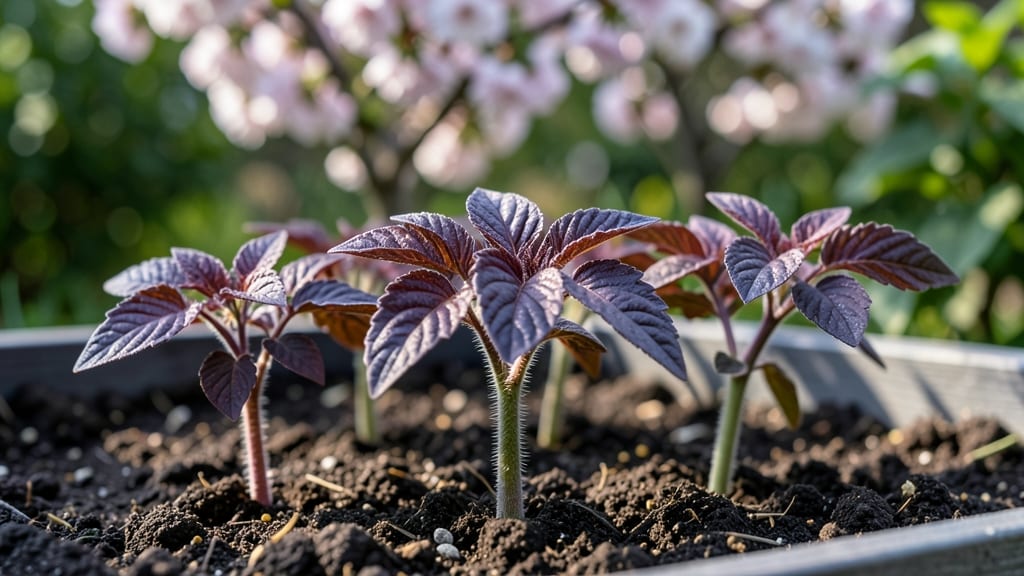
Those stunning purple leaves on tomato seedlings aren't just pretty—they're telling you something important. 🌱 I've seen this vibrant (but sometimes alarming) color in my own seedlings, and it usually points to one of three key issues: phosphorus deficiency, temperature stress, or transplant shock.
The good news? It's almost always fixable without losing your plants.
Most purple leaves appear when seedlings crave phosphorus for root development, especially in cooler soil. A quick soil test or simple amendment with bone meal or compost can turn those leaves back to their normal green in just 7-10 days.
I've also seen it happen when nighttime temps dip below 55°F—a simple row cover fixes that instantly.
What you'll end up with are healthy seedlings that keep their purple hue (a sign of strong genetics) while still producing plump, flavorful fruit. The key is acting fast—once the purple spreads to stems or flowers, it's a sign of deeper stress.
With the right adjustments, your seedlings will bounce back stronger than ever.
This works for both indoor starts and greenhouse seedlings, and the fixes apply whether you're growing heirlooms or hybrids. Let's get those leaves turning green again—without sacrificing that gorgeous purple edge.
Root Causes Behind Purple Seedling Leaves
When your tomato seedlings start sporting vibrant purple leaves instead of their usual green, it’s not just a quirky color shift—it’s a cry for help from your plants. Understanding the why behind this phenomenon is the first step to restoring their health and ensuring a bountiful harvest.
Below, we break down the most common culprits, backed by science, so you can diagnose the issue and take action.
Purple leaves in tomato seedlings are often a sign of phosphorus deficiency, but other nutrients can also play a role. Here’s what’s happening:
- Phosphorus (P): This nutrient is crucial for energy transfer in plants. When seedlings lack phosphorus, they produce anthocyanins—pigments that turn leaves purple or red. This is a survival mechanism to protect chlorophyll from damage under stress.
- Nitrogen (N): While nitrogen deficiency typically causes yellowing (chlorosis), severe lack of nitrogen can also trigger purple hues, especially in younger leaves.
- Potassium (K): Low potassium levels weaken the plant’s ability to regulate water and nutrients, leading to stress symptoms like purple tinges, particularly on the undersides of leaves or along leaf veins.
💡 Pro Tip: Test your soil’s pH and nutrient levels with a kit or send a sample to a lab. Tomato seedlings thrive in soil with a pH of 6.0–6.8. If phosphorus is low, amend the soil with bone meal or a balanced fertilizer (e.g., 10-10-10) high in phosphorus.
Tomato seedlings are sensitive to extreme temperatures, and both heat stress and cold stress can trigger purple foliage. Here’s how it works:
- Cold Stress (Below 50°F/10°C): Chilly nights or sudden temperature drops disrupt nutrient uptake and enzyme activity. The plant’s cells produce anthocyanins as a protective measure against oxidative damage.
- Heat Stress (Above 90°F/32°C): High temperatures accelerate transpiration (water loss), causing water stress. This stress signal prompts the plant to produce purple pigments to shield itself from sunburn and further damage.
🌡️ Actionable Fix: Keep seedlings in a consistent temperature range of 60–75°F (15–24°C) during the day and above 55°F (13°C) at night. Use row covers, shade cloth, or move pots to a sheltered spot if temperatures fluctuate wildly.
Water stress—whether from overwatering or drought—can cause purple leaves by disrupting nutrient availability and oxygen uptake. Here’s the science:
- Underwatering: When soil dries out, roots struggle to absorb water and nutrients, leading to cellular stress. The plant responds by producing anthocyanins to protect chlorophyll and maintain photosynthesis.
- Overwatering: Excess water displaces oxygen in the soil, suffocating roots and preventing nutrient uptake. This hypoxia (oxygen deficiency) triggers stress responses, including purple discoloration.
- Poor Drainage: Compacted or waterlogged soil restricts root growth, further exacerbating nutrient deficiencies and stress signals.
💧 Solution: Water seedlings consistently—keeping soil moist but not soggy. Use well-draining pots with holes and a mix of perlite or vermiculite to improve aeration. Stick your finger an inch into the soil; if it’s dry, water thoroughly. If it’s damp, wait a day.
Tomato seedlings crave sunlight, and insufficient light can lead to etiolation (stretched, weak growth) and purple leaves. Here’s why:
- Low Light Intensity: Without enough light, seedlings can’t perform photosynthesis efficiently. This energy deficit forces the plant to produce anthocyanins to absorb more light and protect chlorophyll.
- Long Shadows or Obstructions: Even partial shade (e.g., from nearby plants or structures) can reduce light exposure, triggering stress responses.
☀️ Quick Fix: Place seedlings in a south-facing window or under grow lights (12–16 hours/day). If outdoors, ensure they get 6–8 hours of direct sunlight daily. Rotate pots weekly for even growth.
By identifying the root cause—whether it’s a nutrient gap, temperature swing, water imbalance, or light deprivation—you can correct the issue and help your tomato seedlings bounce back to healthy green growth. Stay tuned for our next section on how to fix purple leaves and restore your plants to peak condition!
Quick Fixes for Purple Tomato Leaves
If your tomato seedlings are sporting unexpected purple hues, don’t panic—this is often a fixable issue! Below are practical, step-by-step solutions tailored to the most common causes, along with prevention tips to keep your plants thriving.
Let’s get those leaves back to their lush green while ensuring your tomatoes stay productive.
Purple leaves often signal a lack of key nutrients. Here’s how to diagnose and correct them:
💡 Phosphorus Shortage
Purple or reddish leaves (especially on younger growth) usually mean your seedlings are phosphorus-deficient. This nutrient is crucial for root development and flowering.
- 🍳 Quick Fix: Apply a phosphate-rich fertilizer (look for a high middle number, like 5-10-5 or 10-20-10). Mix it into the soil at half-strength to avoid burning roots. - 🌱 Prevention: Before planting, amend the soil with bone meal (1-2 tbsp per plant) or compost rich in organic phosphorus.
For container gardens, use a balanced liquid fertilizer every 2-3 weeks. - ⏰ Timeframe: You should see improvement in 7-10 days if the deficiency isn’t severe.
💪 Nitrogen Deficiency (Less Common but Possible)
While nitrogen deficiency typically causes yellowing, severe lack can lead to stunted growth and purplish tinges, especially in older leaves.
- 🍳 Quick Fix: Switch to a nitrogen-rich fertilizer (like blood meal or a 10-0-0 formula). Water it in lightly. - 🌱 Prevention: Avoid over-fertilizing with phosphorus-heavy mixes—balance is key!
Test your soil every few months to monitor nutrient levels. - ⏰ Timeframe: New growth should green up within 5-7 days.
Purple leaves can also pop up when seedlings are too cold or not getting enough light, especially in early stages.
🔥 Chilly Soil or Air
Tomatoes thrive in warm soil (60°F+). If your seedlings are struggling in cool weather, their metabolism slows, leading to purple foliage.
- 🍳 Quick Fix: Move pots to a warmer location (like a greenhouse, sunny windowsill, or under grow lights). If planting outdoors, use black plastic mulch to absorb heat. - 🌱 Prevention: Start seeds indoors 6-8 weeks before the last frost, then harden them off gradually.
Use heat mats if seedlings are leggy or weak. - ⏰ Timeframe: Leaves should recover in 3-5 days once temperatures stabilize.
☀️ Insufficient Light
Weak, purple-tinged seedlings often stretch toward light (etiolation), indicating they’re not getting enough 6-8 hours of sunlight daily.
- 🍳 Quick Fix: Supplement with grow lights (LED or fluorescent) 12-16 hours/day. Position lights 2-4 inches above seedlings and adjust as they grow. - 🌱 Prevention: Place seedlings in the sunniest spot in your home or garden.
Rotate pots daily for even growth. - ⏰ Timeframe: With proper light, seedlings should green up in 5-7 days.
Overwatering or underwatering can stress seedlings, leading to purple leaves. Here’s how to strike the right balance:
💧 Overwatering or Poor Drainage
Soggy soil cuts off oxygen to roots, causing nutrient uptake issues and purple discoloration.
- 🍳 Quick Fix: Let the top 1 inch of soil dry out between waterings. Ensure pots have drainage holes and use well-draining soil (mix potting soil with perlite or vermiculite). - 🌱 Prevention: Water only when the topsoil is dry—stick your finger in to check!
Avoid soggy bottoms by elevating pots on saucers. - ⏰ Timeframe: Roots should recover in 1 week if drainage improves.
🌵 Underwatering or Drought Stress
While less common, thirsty seedlings can develop purple leaves as they struggle to photosynthesize.
- 🍳 Quick Fix: Water deeply (until it drains from the bottom) and mulch with straw or shredded leaves to retain moisture. - 🌱 Prevention: Group seedlings together to create a microclimate that holds humidity.
Use a humidity dome for indoor starts. - ⏰ Timeframe: Leaves may take 3-5 days to bounce back with consistent moisture.
While rare, pests like aphids or fungal issues can stress seedlings, leading to purple or spotted leaves.
🐜 Pest Infestation
Aphids or spider mites suck sap, weakening plants and causing discoloration.
- 🍳 Quick Fix: Spray leaves with neem oil (1 tsp per quart of water) or insecticidal soap. Repeat every 3-5 days until pests are gone. - 🌱 Prevention: Inspect seedlings weekly for pests.
Introduce beneficial insects (like ladybugs) to keep populations in check. - ⏰ Timeframe: Plants should recover in 5-7 days once pests are eliminated.
🍄 Fungal Issues
Damp conditions can lead to damping-off or early blight, which may cause purple-black spots.
- 🍳 Quick Fix: Remove affected leaves and sterilize tools with rubbing alcohol.
Apply a copper fungicide or baking soda spray (1 tsp baking soda + 1 quart water + a drop of dish soap). - 🌱 Prevention: Space seedlings for good airflow, avoid overhead watering, and water in the early morning so leaves dry quickly. - ⏰ Timeframe: Fungal spread can be halted in 3-5 days with treatment.
- 💡 Soil Test First: Before fertilizing, test your soil’s pH (aim for 6.0-6.8).
Purple leaves can also indicate alkaline soil (pH >7.0), which locks out nutrients. - 🌱 Transplant Care: When moving seedlings outdoors, harden them off (acclimate to sunlight/temp changes over 7-10 days) to avoid shock. - 🍅 Focus on Fruit: If leaves are purple but plants are still growing, don’t over-correct—tomatoes prioritize fruit over foliage.
Balance nutrients to avoid stunting production.
By addressing the root cause (literally and figuratively), your tomato seedlings should regain their vibrant green in no time—without sacrificing those juicy, flavorful tomatoes you’re growing them for! 🍅✨
Frequently asked questions
Are purple leaves on tomato seedlings always a bad sign?
Not necessarily! While purple leaves often indicate stress, some tomato varieties naturally develop purple hues—especially in cooler weather or when exposed to bright light. The key difference is location: if only the undersides or edges are purple, it's usually stress-related. If the entire leaf is uniformly purple (like in 'Purple Cherokee' tomatoes), it's likely genetic and harmless.
How quickly should I expect to see results after fixing the problem?
With proper care, you'll typically see improvement within 3-7 days. Nutrient deficiencies (like phosphorus) may take 7-10 days to fully resolve, while temperature or light adjustments can show results in just 3-5 days. Monitor your seedlings daily—new growth should return to green first, followed by the older leaves.
Can I still get good tomatoes if my seedlings have purple leaves?
Purple leaves rarely affect fruit quality or yield if addressed promptly. Tomatoes prioritize fruit production over foliage health, so your plants will still grow delicious tomatoes even with some purple leaves. The key is ensuring the purple doesn't spread to stems or flowers, which could indicate deeper stress.
What's the best way to test for nutrient deficiencies at home?
Start with a simple DIY soil test: Mix 1 cup of soil with 2 cups of water, stir well, and let it settle. If the water stays clear, your soil is likely nutrient-poor. For a more accurate test, use a home soil test kit (available at garden centers) or send a sample to your local extension office. They'll tell you exact pH and nutrient levels for $15-$25.
Will bone meal fix all types of purple leaves?
No—bone meal is excellent for phosphorus deficiencies but won't help with temperature stress, light issues, or water problems. For comprehensive care, combine bone meal with proper temperature control (keep soil above 60°F), adequate light (6-8 hours/day), and consistent moisture. Think of bone meal as just one tool in your seedling care toolkit.