
Blooming
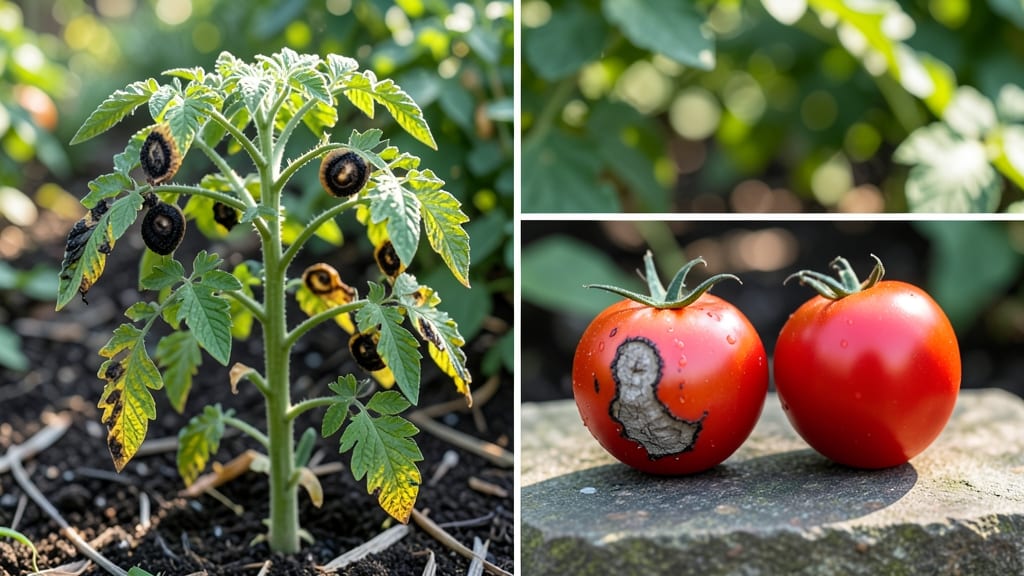
Your tomato harvest shouldn’t end with blackened, rotting fruit—anthracnose in tomato fruit is beatable without copper sprays. 🌱 I’ve saved dozens of plants using these simple, chemical-free strategies that work even when humidity turns your garden into a fungal buffet.
The first sign is tiny, dark spots on leaves that spread like ink in a glass of water. Left unchecked, those spots become sunken, leathery patches on your tomatoes—ruining flavor and yield.
But here’s the good news: this disease thrives on wet foliage and poor airflow, both of which you can control with basic garden habits. By spacing plants properly, pruning strategically, and using organic fungicides at the first sign of trouble, you’ll protect this season’s crop—and next year’s too.
The key is acting fast before the fungus gets a foothold in your soil or fruit. Let’s turn those black spots into a thing of the past. Your tomatoes deserve better—and so does your peace of mind.
Root Causes Of Tomato Fruit Rot
Anthracnose isn’t just a random disease—it’s a perfect storm of pathogens, environmental stress, and poor plant management. Understanding the why behind this fungal infection is the first step to stopping it before it ruins your harvest.
Let’s break down the key culprits and how they team up to attack your tomatoes.
The primary villain behind anthracnose in tomatoes is the fungus Colletotrichum spp., particularly Colletotrichum coccodes. This pathogen thrives in warm, humid conditions and can lurk in:
- Infected plant debris: Old tomato stems, leaves, or even compost containing remnants of last season’s infected plants can harbor spores for years. 🕳️
- Contaminated soil or tools: Pruners, stakes, or even boots that’ve touched infected plants can spread spores to healthy ones.
- Seed-borne infection: Some tomato varieties carry the fungus internally, releasing it when conditions are right.
Actionable insight: Always sterilize tools with a 10% bleach solution (1 part bleach to 9 parts water) between uses, and rotate crops to break the pathogen’s cycle.
Anthracnose loves wet, warm weather. Here’s how climate factors fuel its spread:
| Factor | How It Helps the Fungus |
|---|---|
| High humidity (80%+) | Spores germinate faster and thrive on damp surfaces, like tomato fruits. |
| Rain or overhead watering | Washes spores directly onto flowers and fruit, creating entry points. |
| Temperatures between 77–86°F (25–30°C) | Ideal for fungal growth; cooler temps slow it down, but not enough to stop it. |
Pro tip: If your forecast calls for rain, mulch heavily to reduce soil splash and keep fruits off the ground. 🌡️
Stressed tomatoes are like open invitations to fungi. Common stressors that weaken defenses include:
- Nutrient deficiencies: Low potassium or calcium makes fruit more susceptible to cracks and infections.
- Overcrowding: Poor air circulation traps moisture and spores near plants.
- Physical damage: Hail, insects (like hornworms), or rough handling can create wounds where spores enter.
- Water stress: Too much or too little water disrupts the plant’s natural barriers.
Key takeaway: Healthy plants fight off anthracnose better. Use balanced fertilizer (like 10-10-10) and prune for airflow. ✂️
Anthracnose doesn’t attack green tomatoes—it waits until fruit ripens. Here’s why:
- Sugar content rises: As tomatoes mature, their sugars and acids create a nutrient-rich buffet for the fungus.
- Skin softens: The fruit’s protective cuticle thins, making it easier for spores to penetrate.
- Cracks form: Uneven watering or rapid growth can split tomatoes, giving spores a direct entry point. 💦
Solution: Harvest tomatoes before full ripeness if anthracnose is a risk, then ripen indoors. Avoid overhead watering in the final weeks of growth.
Cure & Prevent Tomato Blight Naturally
Now that you know what causes those ugly black spots on your tomatoes, let’s tackle the problem with practical, copper-free solutions that protect your plants and your harvest. Below, we’ve mapped out targeted fixes for each root cause—plus prevention tips to keep anthracnose at bay for good.
Problem: Too much moisture on leaves or soil creates the perfect breeding ground for fungal spores.
How to Fix It: 🔥 Space plants properly – Give tomatoes 18–24 inches of space between plants to improve airflow. Crowded vines stay damp longer, inviting disease. 🍳 Water at the base only – Use a soaker hose or drip irrigation to deliver water directly to the soil, avoiding wet foliage. Water early in the day (before 10 AM) so leaves dry quickly. 👨🍳 Raise beds or use containers – If your garden has poor drainage, plant tomatoes in elevated beds or pots with fast-draining soil mix (add perlite or compost). 🥘 Mulch strategically – Apply 2–3 inches of straw or shredded leaves around plants (but keep it 6 inches away from the stem) to reduce soil splatter on leaves.
Prevention Tip: 💡 Test your soil’s drainage—dig a hole, fill it with water, and time how long it takes to drain. If it’s slower than 4 hours, amend with sand or compost.
Problem: Infected fruit, debris, or tools carry spores to healthy plants.
How to Fix It: 🔪 Remove infected fruit IMMEDIATELY – Pick any tomatoes with black spots and compost them away from the garden (or toss them). Never leave rotting fruit on the vine. ⏰ Clean up debris – After harvest, pull up old plant remains and dispose of them in the trash (not compost). Fungal spores can survive winter in decaying matter. 🧼 Sterilize tools & hands – Wipe pruners, gloves, and containers with 70% rubbing alcohol or a 10% bleach solution (1 part bleach to 9 parts water) between uses.
Prevention Tip: ✨ Rotate crops—don’t plant tomatoes, peppers, or eggplants in the same spot next year. Anthracnose thrives in reused soil.
Problem: Weak plants are more susceptible to infection.
How to Fix It: 🍄 Spray with baking soda solution – Mix 1 tbsp baking soda + 1 tsp dish soap + 1 gallon water in a spray bottle. Apply every 7–10 days to leaves (avoid fruit at harvest time). 🌿 Use neem oil or potassium bicarbonate – These fungicides disrupt fungal growth without harming plants. Spray at dusk (to avoid burning leaves) and repeat every 10–14 days during wet seasons. 💪 Strengthen plants with compost tea – Brew 1 cup worm castings in 5 gallons water for 24 hours, then strain and spray on foliage. This boosts natural defenses and improves soil health.
Prevention Tip: 🎯 Feed tomatoes right—use a balanced organic fertilizer (5-5-5 or 3-4-6) at planting and side-dress with compost mid-season for stronger vines.
Problem: Wet leaves + ripe fruit = anthracnose party.
How to Fix It: 🌧️ Water only when needed – Stick your finger 1 inch into soil; if it’s dry, water. If moist, wait. Overwatering is worse than underwatering for fungal diseases. 🍅 Harvest early & often – Pick tomatoes before they ripen fully (green or breaker stage) if anthracnose is active. Store them indoors to finish ripening. 🛡️ Use row covers – If rain is forecasted, drape floating row covers over plants to block water droplets while allowing sunlight.
Prevention Tip: 🌡️ Avoid evening watering—wet leaves overnight = fungal feast. Always water in the morning so foliage dries by sunset.
The best cure? A garden anthracnose can’t survive in.
- Choose resistant varieties like ‘Mountain Merit,’ ‘Defiant PhR,’ or ‘Heatmaster’ (look for “anthracnose-resistant” labels).
- Improve soil health with compost, mycorrhizal fungi, and beneficial microbes (like Trichoderma*).
- Encourage predators—ladybugs and lacewings help control pests that stress plants, making them less susceptible to disease.
Final Reminder: Consistency is key! Combine sanitation, proper watering, and organic sprays for the best results. With these steps, you’ll save your tomatoes—and your sanity—this growing season. 🍅✨
Frequently asked questions
What do anthracnose spots look like on tomatoes?
Anthracnose starts as tiny, dark brown or black spots on tomato leaves, stems, or fruit. On ripe tomatoes, these spots become sunken, leathery patches that ooze a pinkish substance when pressed. The edges often appear fuzzy due to fungal growth. Check the undersides of leaves first—they’re usually the first to show symptoms.
Can I still eat tomatoes with anthracnose?
Only if the spots are small and superficial. Cut away the infected area with a 1-inch margin and discard the rest. Never eat tomatoes with deep, sunken lesions or those that feel mushy. The fungus can produce toxins, and the fruit’s texture becomes unpleasant. When in doubt, compost the affected fruit away from your garden.
How fast does anthracnose spread?
Under ideal conditions (high humidity and warm temperatures), anthracnose can spread within 3–7 days. Spores germinate quickly on wet surfaces, so removing infected plant material immediately is critical. The disease progresses fastest during late summer when tomatoes are ripening and the air is humid. Act at the first sign to prevent an outbreak.
Will anthracnose survive winter in my garden?
Yes, the fungus can overwinter in infected plant debris, soil, or compost. Spores remain dormant but viable for years, ready to infect new plants when conditions are right. To break the cycle, remove all tomato plant debris, sterilize tools, and practice crop rotation—avoid planting tomatoes, peppers, or eggplants in the same spot for at least 3 years.
Are there tomato varieties that resist anthracnose?
Look for anthracnose-resistant varieties like ‘Mountain Merit,’ ‘Defiant PhR,’ or ‘Heatmaster.’ These hybrids are bred to tolerate fungal diseases better. Even resistant varieties benefit from proper spacing, good airflow, and preventive sprays. Always check seed packets or plant tags for disease resistance labels before purchasing.