
How To
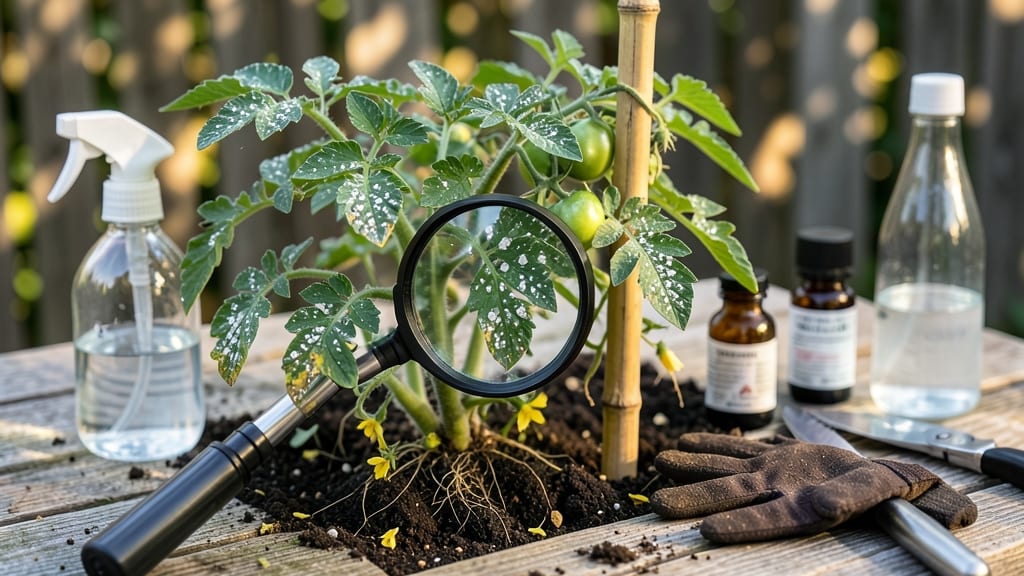
If your tomato leaves have white spots, your plants are battling fungal blight—and it’s fixable without harsh chemicals. 🌱 I’ve battled this myself, and the right spray mix (plus a few smart habits) can turn things around in a week.
The key is acting fast before the spots spread to fruit or stunt growth.
Most white spots come from early blight, powdery mildew, or bacterial spot, each with its own telltale signs. Early blight starts as small brown spots with yellow halos, while powdery mildew looks like dusty white patches.
Bacterial spot appears as greasy, water-soaked marks. The good news? Household sprays like neem oil or baking soda mix can stop the spread—if you catch it early.
Start by pruning infected leaves and improving airflow between plants. A foolproof spray routine (every 5–7 days) with organic options like milk spray or copper soap keeps blight at bay.
For severe cases, fungicides labeled for tomatoes work fast. The goal? Healthy foliage that keeps producing until frost—no more wasted harvests.
Prevention is easier than cleanup: space plants properly, water at the base (never overhead), and choose disease-resistant varieties like ‘Mountain Merit’ or ‘Defiant PhR.’ With these tricks, your tomatoes stay lush and productive all season long.
Root Causes Behind White Spots
White spots on tomato leaves aren’t just an eyesore—they’re often a red flag from nature’s way of signaling trouble. Understanding the why behind these spots is the first step to saving your plants.
Below, we break down the most common culprits, from sneaky fungi to environmental stressors, with science-backed explanations and actionable insights.
Fungi like powdery mildew and early blight are the top suspects behind white spots. These pathogens thrive in warm, humid conditions and spread via spores—often carried by wind, water, or even your gardening tools.
Powdery Mildew: The Fluffy Foe
- What’s happening? This fungus creates a white, powdery coating on leaves, blocking sunlight and stunting growth. It’s not limited to tomatoes—it loves squash, cucumbers, and roses too.
- Why now? High humidity (above 75%), poor airflow, and crowded plants create the perfect fungal buffet. Even morning dew can trigger outbreaks.
- Tell-tale signs: White spots start on upper leaves, often in a patchy pattern. Leaves may yellow or curl as the infection spreads.
- Actionable fix: Space plants 18–24 inches apart, water at the base (never overhead), and use a baking soda spray (1 tsp baking soda + 1 tsp oil + 1 tsp soap per quart of water).
Early Blight: The Spotty Saboteur
- What’s happening? Caused by Alternaria solani, this fungus creates concentric rings of white or tan spots with dark borders. It attacks older leaves first.
- Why now? Cool, wet springs or late-season rains + warm nights = blight party. Infected plant debris (like last year’s stems) can harbor spores for years.
- Tell-tale signs: Spots start as small, greasy-looking marks, then turn white with a bullseye pattern. Leaves may drop prematurely.
- Actionable fix: Remove and destroy infected leaves (don’t compost!). Apply a copper fungicide every 7–10 days until symptoms fade.
Not all white spots are fungal. Some are physical damage from pests that leave behind a trail of destruction.
Spider Mites: The Invisible Web Weavers
- What’s happening? These microscopic critters suck plant sap, causing stippling (tiny white dots) on leaves. Heavy infestations create fine webbing.
- Why now? Dry, hot weather stresses plants, making them more attractive to mites. They multiply exponentially in drought conditions.
- Tell-tale signs: White dots on leaf undersides, silvery webbing, and leaves that look bronzed or crispy.
- Actionable fix: Blast leaves with water (💦) to knock off mites, then spray with neem oil (1 tbsp per quart of water). Repeat weekly.
Whiteflies: The Fluffy Flying Menace
- What’s happening? These tiny, white, moth-like insects cluster on leaf undersides, excreting sticky honeydew that fosters sooty mold (a black, fuzzy fungus).
- Why now? Warm weather + over-fertilized plants = whitefly paradise. They’re drawn to yellow sticky traps (or your tomato’s bright leaves).
- Tell-tale signs: White specks that fly away when you shake the plant, plus black streaks on leaves.
- Actionable fix: Trap them with yellow cards coated in petroleum jelly or use insecticidal soap (spray undersides thoroughly).
Sometimes, white spots aren’t caused by pathogens or pests at all—they’re your plant’s way of screaming, “I’m uncomfortable!”
Mineral Deficiencies or Toxicity
- What’s happening? Excessive calcium or magnesium in water (from hard tap water or over-amended soil) can cause white crusting or spots on leaves.
- Why now? Over-fertilizing with lime or Epsom salt, or using well water with high mineral content, disrupts nutrient balance.
- Tell-tale signs: Spots appear crusty or chalky, often on young leaves. Plant growth may be stunted.
- Actionable fix: Flush soil with rainwater or distilled water, and avoid high-calcium amendments. Test your soil pH (aim for 6.0–6.8 for tomatoes).
Chemical Burn or Overwatering
- What’s happening? Harsh fertilizers, herbicides, or even salt buildup from tap water can scorch leaves, creating white or bleached patches.
- Why now? Overwatering (especially with chlorinated or salty water) or applying fertilizer to dry soil leads to root stress and leaf damage.
- Tell-tale signs: White spots on leaf edges, wilting, or a salty residue on soil surface.
- Actionable fix: Switch to organic fertilizer, water deeply but infrequently, and let the top inch of soil dry between waterings.
Now that you know the why, the next step is treatment—but the key to long-term success? Prevention. Healthy plants with good airflow, proper watering, and regular check-ups are your best defense against white spots! 🌱
Quick Fixes for White-Spotted Tomato Leaves
If your tomato plants are showing up with white spots—whether powdery, fuzzy, or crusty—don’t panic. Most issues are treatable with simple, garden-friendly solutions. Below, we break down the fixes for each likely cause, from fungal infections to environmental stressors, along with prevention tips to keep your plants thriving.
Let’s get those leaves back to their vibrant green!
Fungal spores love damp, warm conditions, and once they take hold, they spread fast. Here’s how to tackle them:
🔥 Step 1: Prune and Remove Infected Leaves
- Use sterilized scissors or pruners (wipe with rubbing alcohol) to snip off leaves with white spots.
- Do not compost these leaves—toss them in the trash to prevent reinfection.
- Pro Tip: 💡 Prune in the early morning when humidity is lower to reduce spore spread.
🍳 Step 2: Apply a Homemade Fungicide Spray
Mix one of these effective, non-toxic sprays and apply to the top and bottom of leaves (fungi often hide underneath!):
| Spray Recipe | How to Use |
|---|---|
| Baking Soda Spray | 1 tsp baking soda + 1 quart water + ½ tsp dish soap (optional). Spray every 7–10 days. |
| Neem Oil Solution | 1 tbsp neem oil + 1 tsp mild soap + 1 quart water. Shake well and spray at dusk. |
| Milk Spray (Lactobacillus) | 1 part milk + 9 parts water. Spray 2–3 times a week (works best for powdery mildew). |
| Copper Fungicide (Store-Bought) | Follow label instructions for concentration and reapplication. |
- Pro Tip: 🌡️ Best time to spray: Early morning or late evening when temperatures are cooler (avoid midday heat, which can burn leaves).
👨🍳 Step 3: Improve Airflow and Reduce Humidity
- Space plants at least 18–24 inches apart to allow airflow.
- Remove weeds near the base of plants (they trap moisture).
- Water at the base (not overhead) and avoid late-day watering (leaves should dry by nightfall).
- Use a fan on low setting near plants for 1–2 hours daily if humidity is high.
⏰ Step 4: Repeat Treatments and Monitor
- Reapply sprays every 7–10 days until new growth appears spot-free (usually 2–3 weeks).
- Check the undersides of leaves regularly—fungi often start there!
If the white spots are dry, crispy, or appear after extreme heat, your plants may be struggling with stress or nutrient issues.
💡 Fix: Adjust Watering and Fertilizing
- Water deeply 1–2 times per week (check soil moisture—top inch should be dry before watering).
- Avoid wetting leaves during watering to prevent fungal hitchhikers.
- Fertilize lightly with a balanced tomato fertilizer (10-10-10 or 5-5-5) every 3–4 weeks.
- Pro Tip: ✨ Mulch with straw or grass clippings to retain moisture and cool roots.
🌿 Provide Shade Cloth (If Needed)
- If temperatures exceed 90°F (32°C), use 30–50% shade cloth to protect leaves from scorching.
- Move potted tomatoes to a shadier spot during peak afternoon sun.
Tiny pests can cause white, dusty spots as they feed on leaf sap.
🔪 Step 1: Blast Off Pests with Water
- Spray leaves with a strong stream of water to knock off mites and whiteflies.
- Repeat every 2–3 days for a week.
🌿 Step 2: Introduce Natural Predators
- Ladybugs, lacewings, or predatory mites eat spider mites and whiteflies. Buy them online or at garden centers.
- Plant companion flowers like marigolds or nasturtiums to attract beneficial insects.
🛡️ Step 3: Use Insecticidal Soap
- Mix 1.5 tbsp castile soap + 1 quart water and spray directly on pests.
- Pro Tip: 🎯 Test on a small leaf first—some plants are sensitive to soap.
Once your plants recover, prevent future outbreaks with these habits:
- Rotate crops—don’t plant tomatoes in the same spot yearly (fungi linger in soil).
- Choose resistant varieties like ‘Celebrity,’ ‘Mountain Merit,’ or ‘Defiant PhR’ (phytophthora-resistant).
- Clean tools and containers with rubbing alcohol between uses.
- Harvest promptly—ripe tomatoes attract pests, and overripe ones can spread disease.
- Test soil pH (aim for 6.0–6.8)—extreme pH levels weaken plants.
With consistent care, your tomato plants should bounce back in 2–4 weeks. Keep an eye on them, and don’t hesitate to adjust treatments if spots return. Happy gardening!
Frequently asked questions
Are white spots on tomato leaves always caused by disease?
Not always! While fungal diseases like powdery mildew or early blight are common causes, white spots can also come from environmental stress, pests like spider mites, or even mineral buildup from hard water. Always check for other symptoms like webbing (mites) or leaf curling (fungus) to diagnose correctly.
How quickly can homemade sprays like baking soda or neem oil work?
With consistent application (every 7–10 days), you should see improvement in 1–2 weeks. Baking soda works fastest for powdery mildew, while neem oil takes slightly longer (2–3 weeks) but prevents reinfection. Spray both leaf surfaces and repeat until new growth appears spot-free.
Can I still harvest tomatoes if the leaves have white spots?
Yes, but focus on ripe, healthy-looking fruit first. Avoid tomatoes near heavily infected leaves, as spores can contaminate them. Once you’ve treated the plants, continue harvesting as usual—just monitor for new spots on the fruit itself.
Why do my tomato plants keep getting white spots even after treatment?
Recurring spots often mean poor airflow, overwatering, or untreated soil/fungus from last year. Improve spacing (18–24 inches apart), water at the base only, and remove all infected debris. For stubborn cases, try a copper fungicide or switch to disease-resistant varieties like ‘Defiant PhR.’
Is it safe to compost tomato leaves with white spots?
Never compost infected leaves—they’ll spread disease to your compost pile and reinfect next year’s plants. Instead, bag and trash them immediately. If you must compost, only use healthy, spot-free leaves from disease-free plants.