
Vegetables
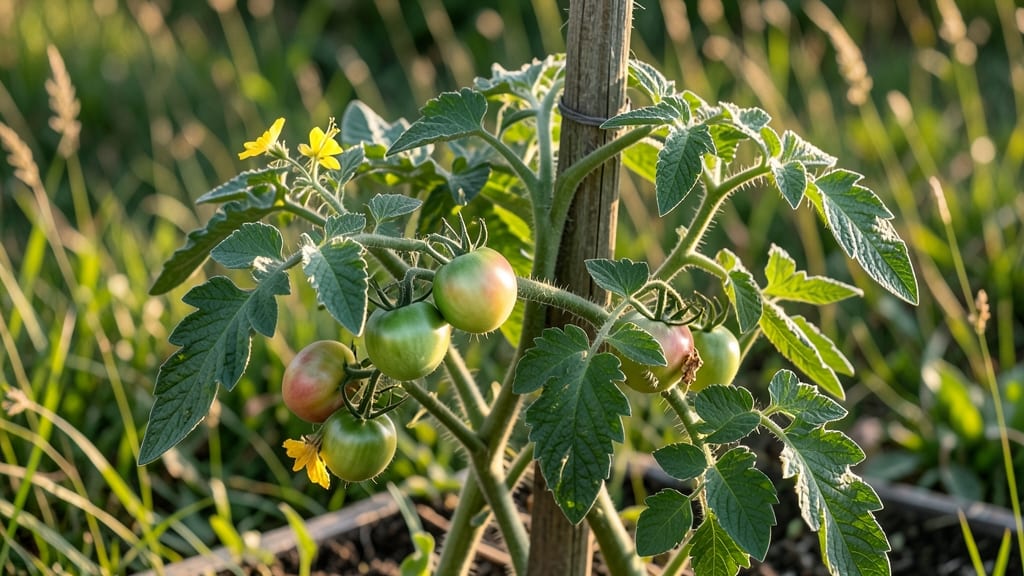
When your tomato 🍅 enters the breaker stage, you’re staring at the difference between a bland grocery-store tomato and one so sweet it’ll make you question why you ever bought store-bought.
Picture this: you’ve nurtured your plants all season, and now the first blush of color appears—pink, yellow, or orange, depending on the variety. But here’s the catch: harvest too early, and you’re left with underripe, tart tomatoes.
Wait too long, and you risk overripe, mealy fruit that’s past its prime. The breaker stage is where flavor peaks, and timing is everything.
In this guide, I’ll walk you through how to spot the exact moment your tomatoes are ready, the care tweaks that make all the difference, and how to coax the best flavor out of every fruit. No more guesswork—just garden-fresh perfection.
You’ll learn the visual cues to watch for, the best practices for harvesting, and even how to ripen tomatoes at home for that restaurant-quality taste. Let’s get started.
What is the tomato breaker stage and how to identify it
The breaker stage is the exciting moment when your tomatoes begin their color transformation, signaling they're nearing peak flavor. This transition marks the shift from green shoulder (early ripening) to full ripeness, where sugars develop rapidly.
Recognizing this stage helps you time your harvest for the best taste and texture—critical for home gardeners aiming for restaurant-quality tomatoes.
During the breaker stage, tomatoes develop pink, yellow, or orange hues depending on the variety, while still retaining some green near the stem. This partial color change indicates the plant is actively converting starches into sugars.
Missing this window means you might harvest too early (underripe) or too late (overripe), both of which compromise flavor and texture.
Timing is everything because the breaker stage is when tomatoes are most responsive to ethylene gas, the natural ripening hormone. If you harvest at this point, you can control ripening indoors, extending your harvest season.
For varieties like heirlooms, this stage is especially critical—they develop complex flavors that store-bought tomatoes lack.
| Stage | Visual Cues | Size Threshold | Action |
|---|---|---|---|
| Green Shoulder | Mostly green with slight blush | 70-80% of final size | Wait 7-10 days |
| Breaker Stage | Partial color (pink/yellow/orange) with green cap | 85-95% of final size | Harvest or let ripen |
| Full Ripeness | Full color, slight softness | 100% of final size | Harvest immediately |
To identify the breaker stage accurately, focus on three key visual cues: the color shift (even if just 10-20% colored), the stem's slight softening, and the tomato's weight—it should feel noticeably heavier.
For example, a Brandywine heirloom might show pink streaks while still 80% green, while a Cherry Roma could turn golden-yellow with just a tiny green spot.
One common mistake is confusing the breaker stage with the green shoulder phase, where tomatoes are still mostly green but starting to blush. Harvesting at this point means you'll miss out on 30-50% of the sugar development.
Another error is waiting too long, leading to overripe tomatoes that become mealy or split—especially in high-humidity climates like the Southeast.
For determinate varieties (like Roma or Celebrity), the breaker stage arrives earlier—often 60-70 days after transplanting—while indeterminate types (such as Sungold or Beefsteak) take 75-90 days. This difference matters because indeterminate tomatoes continue producing fruit all season, so missing the breaker stage means fewer harvests later.
Pro tip: Use a magnifying glass to check for tiny color changes on cloudy days when hues might be less obvious. Also, gentle pressure with your thumb should yield a slight give—like pressing a ripe peach. If it feels rock-hard, it's not ready; if it's mushy, you've waited too long.
Why does the breaker stage matter so much? Because this is when lycopene (the antioxidant that gives tomatoes their red hue) and sugars peak.
Harvesting at this point lets you control ripening indoors, where you can slow down or speed up the process using simple tricks like ethylene exposure (placing an apple nearby) or temperature adjustments (68-77°F is ideal).
If you're growing cherry tomatoes or grape tomatoes, pay extra attention—their small size means the breaker stage happens quickly. For larger varieties, like Brandywine, you have a 5-7 day window to harvest before they overripe. Always check the stem end: a yellowing or brown calyx confirms readiness.
Remember, the breaker stage is your golden ticket to homegrown tomatoes that burst with flavor. Once you master spotting it, you'll never settle for bland, store-bought tomatoes again—just imagine slicing into a Sun Gold at this stage and tasting that tropical sweetness! 🌱
Best practices for harvesting tomatoes at the perfect breaker stage
Timing your tomato harvest at the breaker stage makes all the difference between vibrant, flavorful tomatoes and bland, mealy ones. This is when your fruit transitions from green to its mature color, typically starting with a faint blush or stripe.
For heirloom varieties like Brandywine, you’ll see deep pink or yellow streaks, while hybrids like Celebrity may develop a uniform red blush. The key is to act quickly—once they reach full color, they’ll ripen faster and may soften too soon.
Harvesting at the right time isn’t just about color, though. You’ll also want to check for size consistency and a slight give when gently squeezed. Early morning is the best time to pick because tomatoes are cooler and firmer, reducing bruising.
Avoid harvesting in the afternoon when heat can make them softer and more prone to damage. Pro tip: Use a sharp pair of pruning shears or twist gently to avoid tearing the stem—this helps prevent disease entry points.
- 1 Check for color change: Look for faint blushes or stripes on the tomato’s surface. Heirlooms may show uneven coloring, while hybrids often develop a uniform tint.
- 2 Test for firmness: Gently squeeze the tomato—it should yield slightly but not feel mushy. A firm tomato isn’t ready; a soft one is overripe.
- 3 Harvest in the morning: Pick tomatoes between 6-9 AM when they’re cool and less prone to bruising. Avoid harvesting in hot afternoons to prevent skin damage.
- 4 Use the twist-and-pull method: Grip the tomato and twist gently until it separates from the vine. If it resists, use clean pruning shears to avoid tearing the plant.
- 5 Handle with care: Place harvested tomatoes in a shaded, well-ventilated area to ripen. Avoid stacking them to prevent bruising, which can lead to rot.
After harvesting, post-harvest care is just as important as the picking process itself. Store your tomatoes in a single layer at room temperature (around 70°F) to allow them to ripen naturally. Avoid refrigerating them until they’re fully ripe—cold temperatures can turn their flesh mealy and bland.
If you need to speed up ripening, place them in a paper bag with a ripe banana for 2-3 days. The banana releases ethylene gas, which triggers ripening.
Different tomato varieties behave uniquely during the breaker stage. Heirloom tomatoes, like Cherokee Purple, often show uneven coloring and may take longer to ripen fully. In contrast, hybrids like Early Girl ripen more uniformly and quickly.
Pay attention to your plant’s specific cues—some varieties, like cherry tomatoes, can go from breaker to fully ripe in just 5-7 days, while larger types may take 10-14 days. Keep an eye on your plants and adjust your harvesting schedule accordingly.
One common mistake is leaving tomatoes on the vine too long, which can lead to overripe, cracked, or split fruit. This is especially true in humid climates or during heavy rains.
If you notice tomatoes starting to split, harvest them immediately and use them in sauces or salsas where texture isn’t as critical. For varieties prone to cracking, like Beefsteak tomatoes, consider harvesting them slightly earlier to avoid waste.
With these practices, you’ll enjoy peak-flavor tomatoes that are sweeter, juicier, and far superior to store-bought. The breaker stage is your golden opportunity—don’t miss it! 🍅