
Planting
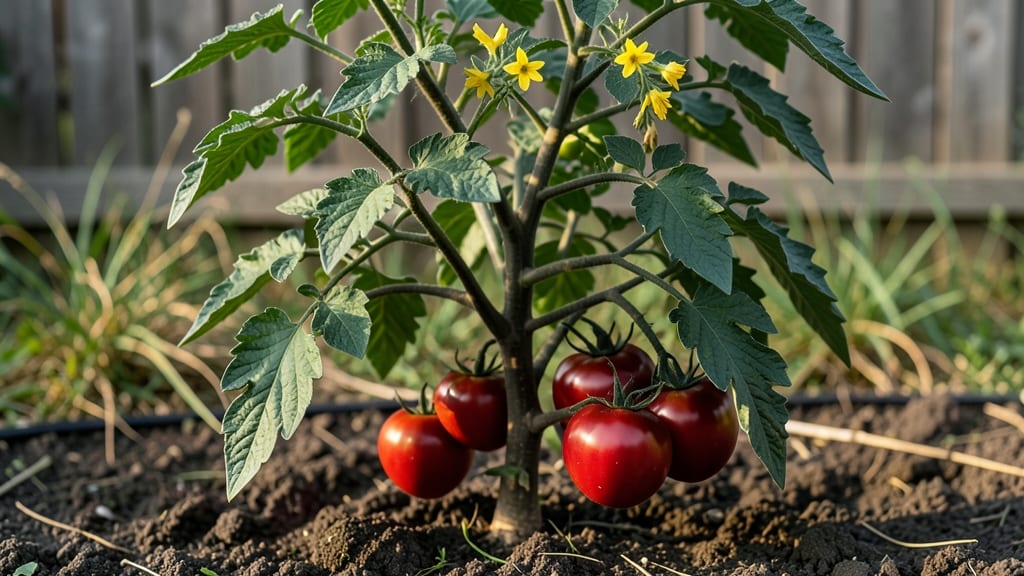
My black stem tomato plants taught me the hard way that prevention is easier than cure. 🌱 The moment you spot that telltale dark streaking or wilting leaves, it’s already a race against time—but knowing the right blight-resistant varieties and early warning signs can save your entire harvest.
Most black stems come from fungal diseases like Phytophthora or Fusarium wilt, which thrive in soggy soil or overcrowded plants. Nutrient deficiencies or even heat stress can mimic these symptoms, so don’t jump to conclusions.
The key is acting fast—whether that means pruning infected stems, improving drainage, or switching to resistant varieties like ‘Mountain Merit’ or ‘Defiant PhR.’
With the right care, you’ll keep your plants thriving all season. I’ve gone from losing entire cages to growing blight-free tomatoes that neighbors beg for. The secret? Healthy soil, smart spacing, and knowing when to intervene before the fungus spreads.
This guide covers everything from identification to treatment—so you can enjoy those juicy slices without the stress. Let’s get your plants back on track.
Root Causes of Stem Darkening
When your tomato plant’s stems turn black, it’s rarely a random act of nature—it’s usually a cry for help from the plant itself. Understanding the why behind this symptom is the first step toward saving your harvest.
Below, we break down the most common culprits, backed by science, so you can diagnose the issue like a pro and take action.
Fungal diseases are the #1 reason for blackened stems in tomato plants, and two pathogens dominate the scene: early blight (Alternaria solani) and late blight (Phytophthora infestans). Here’s how they strike:
- Early Blight:
This fungus thrives in warm, humid conditions (60–85°F) and spreads via contaminated soil, water, or plant debris. It starts with small, dark spots on lower leaves that expand upward, eventually causing stems to blacken as the disease progresses.
The fungus produces conidia (spore-like structures) that hitchhike on wind, water splashes, or even your gardening tools.
- Late Blight:
A more aggressive and fast-spreading pathogen, late blight thrives in cool, wet weather (50–77°F) and can turn stems black in as little as 3–5 days. It’s notorious for causing soft rot in stems and fruit, making them mushy and inedible.
Unlike early blight, late blight can survive in soil and water, making it harder to eradicate.
💡 Pro Tip: If you notice blackened stems paired with dark, greasy-looking spots on leaves, late blight is likely the culprit. Act fast—this disease can wipe out an entire plant in days!
Tomatoes are drought-tolerant plants, but excessive moisture creates the perfect breeding ground for fungal pathogens and root rot. Here’s how it happens:
- Waterlogged Soil:
When soil stays soggy for more than a few hours, oxygen is cut off to the roots, leading to anaerobic conditions. This stress weakens the plant’s defenses, making it vulnerable to fungal attacks. Over time, the stems darken as the vascular system struggles to transport nutrients.
- Poor Drainage:
Clay-heavy or compacted soil traps water near the roots, accelerating rot. If your garden bed or containers lack drainage holes, water pools at the base of the stem, creating ideal conditions for Phytophthora (the fungus behind late blight) to colonize.
🌡️ Science Note: Tomatoes prefer 1–1.5 inches of water per week. If your soil feels damp more than 2 inches below the surface, you’re overdoing it.
While less common than fungal diseases, bacterial wilt (Ralstonia solanacearum) is a devastating cause of blackened stems, especially in warm climates. Here’s how it infiltrates your plants:
- Entry Points:
Bacteria enter through root wounds (from pruning, transplanting, or even insect bites) or natural openings like stomata (leaf pores). Once inside, they clog the plant’s xylem vessels (water-transporting tubes), cutting off hydration and causing stems to wilt and blacken.
- Symptoms Beyond Black Stems:
Look for sudden wilting (even in cool weather), yellowing leaves, and a dark, oozy sap when you cut open the stem. Unlike fungal wilting, bacterial wilt cannot be cured—infected plants must be removed immediately.
⚠️ Warning: Bacterial wilt can persist in soil for years. If you suspect this disease, avoid planting tomatoes or related plants (peppers, eggplants) in the same spot for at least 3–4 years.
While less dramatic than pathogens, severe nutrient deficiencies can also cause stems to darken, particularly a lack of:
- Magnesium (Mg):
Critical for stem strength, magnesium deficiency (often called blossom-end rot’s cousin) causes interveinal chlorosis (yellowing between leaf veins) and weakens structural tissues. Over time, stems may darken as the plant struggles to maintain rigidity.
- Calcium (Ca):
Though more famous for causing blossom-end rot in fruit, calcium deficiency weakens cell wall integrity, making stems prone to collapse and darkening—especially in hot, dry conditions.
📊 Soil Test Tip: If your soil pH is below 6.0, magnesium and calcium become locked out of root uptake. Amend with lime (for Ca) or Epsom salt (for Mg) to restore balance.
While pests rarely directly cause black stems, their damage creates entry points for pathogens. Watch for:
- Root-Knot Nematodes:
These microscopic worms burrow into roots, causing galls (lumpy growths) that disrupt water and nutrient flow. Weakened stems become prime targets for fungal infections.
- Cutworms or Slugs:
These chewers sever stems at the base, leaving blackened, jagged wounds. The exposed tissue dries out and darkens, inviting rot.
🔥 Prevention: Use row covers for cutworms or beer traps for slugs. For nematodes, solarize soil in summer or plant marigolds as a natural repellent.
Revive Your Tomatoes Fast
When your tomato plant’s stems turn black, it’s a sign your garden needs immediate attention—but don’t panic! With the right fixes, you can save your plants and prevent future outbreaks.
Below are targeted solutions for the most common causes of black stems, along with prevention tips to keep your tomatoes thriving.
Black, sunken spots or wilting stems often signal fungal infections. Act fast to stop the spread.
🔥 Remove Infected Plant Parts
- 🍳 Snip off blackened stems, leaves, or fruit using sterilized pruners (wipe with rubbing alcohol between cuts).
- 👨🍳 Dispose of infected debris in the trash (not compost)—fungi can survive in soil.
- ⏰ Repeat every 3–5 days until new growth appears healthy.
🥘 Apply Fungicidal Sprays - 💡 Copper fungicide (organic option) or neem oil spray (mix 1 tbsp neem oil + 1 tsp mild soap + 1 quart water).
Spray early morning or evening to avoid burning leaves. - ✨ For severe cases, use a chemical fungicide (like chlorothalonil) following label instructions. - 🎯 Reapply every 7–10 days or after rain.
🌡️ Improve Air Circulation
- 🔥 Space plants 18–24 inches apart to reduce humidity.
- 🌿 Prune lower leaves to enhance airflow (focus on the bottom 6–12 inches).
- 💨 Use a small fan on low setting near plants if humidity is high.
📊 Prevention for Next Season
- 🌱 Rotate crops—don’t plant tomatoes in the same spot yearly.
- 💪 Solarize soil (cover with clear plastic for 4–6 weeks in summer) to kill fungal spores.
- 🥗 Plant resistant varieties like ‘Defiant PhR,’ ‘Mountain Merit,’ or ‘Black Krim’ (naturally more resistant).
Black, mushy stems can also mean root rot from soggy soil. Fix it with these steps:
🔥 Check Your Watering Habits
- 🍳 Water deeply but less often—tomatoes prefer 1–1.5 inches per week (adjust for rain).
- 👨🍳 Avoid wetting leaves—use drip irrigation or water at the base.
- ⏰ Water in the morning so foliage dries quickly.
🥘 Improve Soil Drainage
- 💡 Mix in compost or aged manure to loosen heavy clay soil.
- ✨ Add perlite or coarse sand (1 part to 3 parts soil) for better aeration.
- 🎯 Raise beds if your garden floods easily—elevate containers or use mounds.
🌡️ Transplant if Necessary
- If roots are black and smelly, the plant may be beyond saving. 🔥 Start fresh with a new transplant.
- 💨 For potted tomatoes, ensure pots have drainage holes and empty saucers after watering.
📊 Prevention Tips
- 🌱 Test your soil—ideal pH for tomatoes is 6.0–6.8.
- 💪 Mulch with straw to keep roots cool and moisture consistent.
- 🥗 Avoid over-fertilizing with nitrogen—too much promotes leafy growth over roots.
Tiny pests can weaken stems, making them susceptible to blackening.
🔥 Blast Off Pests Naturally
- 🍳 Spray with soapy water (1 tsp mild soap + 1 quart water) to dislodge aphids and mites.
- 👨🍳 Introduce beneficial insects—ladybugs or lacewings eat pests naturally.
- ⏰ Use row covers for young plants to block flea beetles.
🥘 Trap and Remove
- 💡 Sticky traps (yellow cards) catch flying pests like whiteflies.
- ✨ Handpick large pests (like tomato hornworms) and drop them in soapy water.
- 🎯 Prune heavily infested leaves and destroy them.
🌡️ Strengthen Plant Defenses
- 🔥 Feed with compost tea or fish emulsion for a nutrient boost.
- 💨 Avoid broad-spectrum pesticides—they kill beneficial insects too.
📊 Prevention for Next Season
- 🌱 Plant companion crops like basil, marigolds, or borage to repel pests.
- 💪 Rotate planting locations to disrupt pest life cycles.
- 🥗 Use reflective mulch (aluminum foil) to deter beetles.
If more than 50% of the plant is blackened or the stem is completely mushy, it’s often best to remove and replace the plant. Fungal diseases like Verticillium wilt can’t be cured—they only spread.
💡 Pro Tip: Before replanting, sterilize tools and soil with a 10% bleach solution (1 part bleach to 9 parts water) to prevent reinfection.
By acting quickly and adjusting your care routine, you can save your tomato plants and enjoy a bountiful, disease-free harvest! 🍅✨
Frequently asked questions
Why do my tomato plant stems turn black even when I water them regularly?
Overwatering or poor drainage is often the culprit. Black stems can signal root rot from soggy soil, where oxygen is cut off to roots. Even with regular watering, if soil stays damp for more than 24 hours, fungi like Phytophthora thrive. Test drainage by digging a hole—if water pools, amend soil with perlite or raise beds. Always water at the base, not leaves.
Can I save a tomato plant with black stems caused by fungal disease?
Yes, but act fast! Prune infected stems below the blackened area with sterilized tools, then treat with copper fungicide or neem oil. For severe cases, remove the plant entirely to prevent spread. Resistant varieties like ‘Mountain Merit’ recover better. Prevention is key—rotate crops and improve airflow between plants.
What’s the difference between black stems from disease vs. nutrient deficiency?
Disease causes dark, sunken spots that spread upward, often with wilting leaves. Nutrient deficiencies (like magnesium) cause yellowing between veins first, then stem weakening. Test soil pH—if below 6.0, amend with lime or Epsom salt. Deficiency stems feel soft and brittle, while diseased stems may ooze when cut.
How do I prevent black stems in container-grown tomatoes?
Use pots with drainage holes and lightweight soil mixes (50% potting soil, 30% compost, 20% perlite). Water only when the top 1 inch of soil is dry, and avoid saucers that trap water. Elevate containers on feet to improve airflow. Sterilize tools between plants to prevent fungal hitchhiking.
Will blackened stems always kill my tomato plant?
Not necessarily! If caught early, fungal infections can be managed with pruning and fungicides. However, bacterial wilt or advanced root rot are fatal—remove infected plants immediately. 50% or more blackened usually means it’s too late to save. Focus on prevention: choose resistant varieties, rotate crops, and maintain proper spacing for airflow.