
Planting
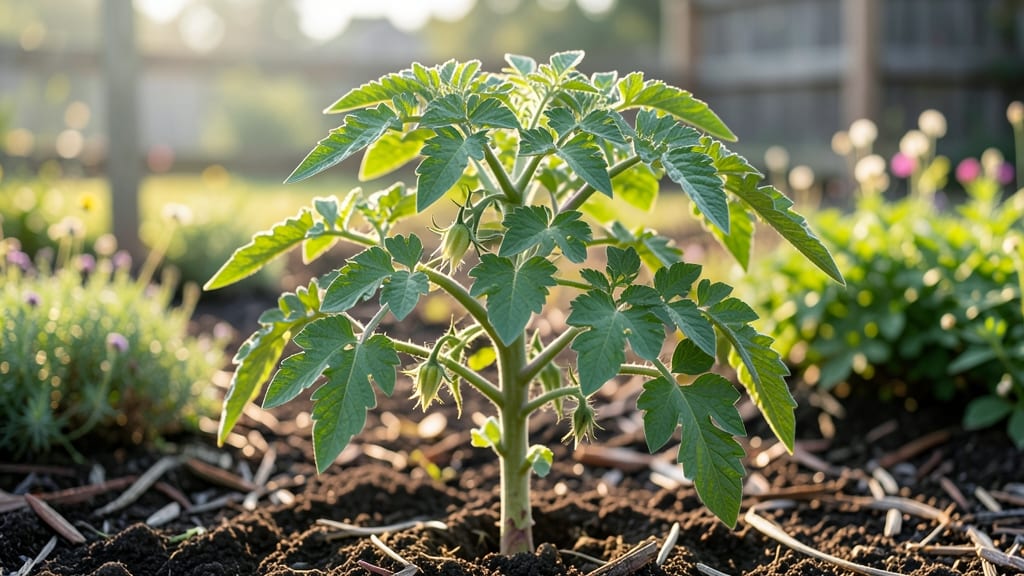
Caring for a 4-month-old tomato plant 🍅 is where the real magic happens—your plant is now shifting from leafy growth to fruit production, and the right moves will decide whether you end up with a handful of tomatoes or a vine heavy with them.
But here’s the catch: prune too much, and you stunt growth; too little, and you’re left with weak stems struggling to support a fruit load. Support it wrong, and you risk disease or broken branches.
Get it right, though, and you’ll see thicker vines, more flowers, and bigger harvests by summer.
In this guide, I’ll walk you through the exact pruning techniques for your plant’s stage, the best support systems (cages vs. stakes vs. trellises), and how to spot common mistakes before they derail your harvest. No guesswork—just proven tips to keep your tomato thriving.
Whether you’re dealing with indeterminate vines reaching for the sky or compact determinate bushes, these steps will help you maximize your yield without sacrificing plant health. Let’s get your tomato set up for success!
When and how to prune a 4-Month-old tomato plant for maximum growth
At 4 months old, your tomato plant is entering its most vigorous growth phase, where proper pruning techniques can dramatically increase fruit production. This is when indeterminate varieties like Sungold or Brandywine start sending out suckers—those small shoots growing between the main stem and branches.
Removing them redirects energy to existing flowers and fruit, leading to a heavier harvest.
Determinate varieties (like Roma or Celebrity) need less aggressive pruning since they grow to a fixed size and produce fruit in clusters. For these, focus on removing only the lowest suckers to improve airflow and reduce disease risk.
The key is timing—prune at the right moment to avoid stressing the plant while maximizing growth potential.
🌱
Step-by-Step Pruning Guide for 4-Month-Old Tomatoes
- Step 1: Choose the Right Time
- Prune in the morning when humidity is low to reduce disease risk.
- Avoid pruning at dusk or night—wounds take longer to heal.
- Step 2: Identify Suckers
- Look for small shoots in the leaf axils (where leaves meet stems).
- Suckers on indeterminate varieties grow downward; remove them entirely.
- Step 3: Prune Correctly
- Use clean, sharp pruners to avoid tearing tissue.
- Cut suckers 1/4 inch above the leaf axil to prevent disease entry.
- Step 4: Adjust for Variety
- Indeterminate: Prune aggressively—keep 1-2 main stems, remove all suckers.
- Determinate: Prune lightly—remove only lowest suckers for airflow.
- Step 5: Post-Pruning Care
- Apply mulch to retain moisture and reduce stress.
- Fertilize with low-nitrogen feed (e.g., 5-10-10) to support fruiting.
Pruning at this stage isn’t just about shaping your plant—it’s about optimizing energy flow. When you remove suckers, the plant redirects its resources to the existing flowers and developing fruit. This is especially critical for indeterminate varieties, which continue growing and producing fruit throughout the season.
For example, a heavily pruned Sungold cherry tomato can yield 2-3x more fruit than an unpruned plant.
One common mistake is pruning too late in the day, which leaves wounds exposed to evening moisture and increases the risk of blight or fungal infections. Always prune in the morning so any cuts have time to dry and heal before nightfall.
Additionally, avoid over-pruning—never remove more than 1/3 of the plant’s foliage at once, as this can shock the plant and reduce its ability to photosynthesize.
For determinate tomatoes, which produce fruit in a single cluster before stopping growth, pruning is more about air circulation than yield maximization. Focus on removing suckers from the lower half of the plant to improve airflow and reduce humidity, which helps prevent diseases like early blight.
Leave the top of the plant intact, as this is where the main fruit clusters will form.
After pruning, monitor your plant closely for the first 3-5 days. Look for signs of stress, such as wilting or yellowing leaves, which may indicate you’ve removed too much foliage. If you notice these symptoms, pause further pruning and provide extra water and shade until the plant recovers.
Remember, the goal is to balance growth and fruit production, not to strip the plant bare.
🌿
Proper pruning also plays a role in fruit quality. By removing unnecessary growth, you encourage the plant to focus its energy on developing larger, sweeter tomatoes. For instance, heirloom varieties like Brandywine benefit greatly from pruning, as their thick vines can become overloaded with foliage, leading to smaller fruit.
With strategic pruning, you’ll often see tomatoes that are 10-20% larger and packed with more flavor.
If you’re growing tomatoes in containers or small spaces, pruning becomes even more important. Without proper support or pruning, the plant’s energy is wasted on excessive foliage rather than fruit production.
In these cases, consider using a trellis or stake to guide the plant’s growth upward, which naturally encourages pruning by limiting horizontal spread. Pair this with regular sucker removal to keep the plant focused on producing fruit.
Finally, keep a pruning journal to track what works best for your specific tomato varieties. Note which pruning techniques led to the highest yields, the best fruit sizes, and the fewest diseases.
Over time, you’ll develop a personalized approach tailored to your climate, soil, and growing conditions—leading to consistently better harvests year after year.
✂️
Best support systems for 4-Month-old tomato plants: cages, stakes, OR trellises?
At 4 months old, your tomato plants are entering their most vigorous growth phase, and choosing the right support system is crucial for fruit quality and plant health. Without proper support, vines can sprawl, increasing disease risk and reducing airflow to developing fruits.
The three main options—metal cages, wooden stakes, and trellises—each offer unique benefits depending on your garden setup and tomato variety.
Indeterminate varieties like Sungold cherry tomatoes or Brandywine need tall, sturdy support to reach their 6-foot+ height, while determinate types such as Roma or Celebrity benefit from shorter cages or stakes.
Your choice also impacts air circulation, which directly affects disease resistance and fruit ripening speed. Let’s break down the pros, cons, and cost considerations for each option.
For budget-conscious gardeners, wooden stakes or DIY trellises made from bamboo or PVC pipes are cost-effective solutions. Simply drive a 6-foot stake into the soil beside your plant and tie the main stem loosely with soft plant ties or old fabric strips.
Reposition ties every 2–3 weeks as the vine thickens to avoid damaging the stem. This method works well for determinate tomatoes but may require additional support as the plant matures.
If you’re growing heirloom or cherry tomatoes, a metal cage is a low-maintenance choice that provides 360-degree support without the need for tying. Look for cages with 18-gauge galvanized wire—they’re rust-resistant and sturdy enough to hold 5–10 pounds of fruit.
However, cages can limit your ability to train vines for optimal sunlight exposure, which might reduce yield in high-density plantings.
Trellises are ideal for small-space gardens or urban containers, as they allow you to grow tomatoes vertically along a fence or wall. Use soft twine or Velcro ties to secure vines to the trellis, guiding them in a spiral or zigzag pattern to maximize sunlight penetration.
This method also makes harvesting easier and reduces soil-borne disease risk by keeping foliage off the ground. For a DIY trellis, repurpose a wooden ladder or metal grid from an old shelf.
Regardless of your choice, install support within 1–2 weeks of transplanting to prevent stem damage. Avoid over-tightening ties, as restricted growth can stress the plant. Monitor your tomatoes weekly for signs of blossom end rot or leaf curl, which can indicate poor support or circulation.
With the right system in place, your 4-month-old tomato plant will thrive and produce a bountiful harvest.