
Leaf Blower
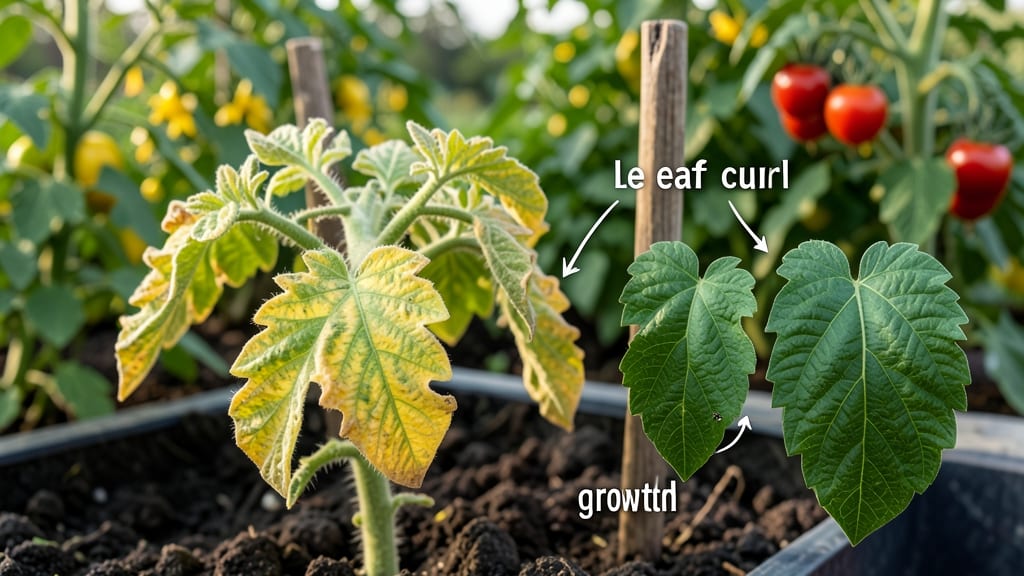
Tomato yellow leaf curl can turn your lush plants into sad, stunted shadows—until you know the right resistant varieties. 🌱 I’ve lost entire harvests to this stubborn virus, but after years of trial and error, I’ve found the varieties that shrug off its worst attacks while still delivering heavy, flavorful fruit.
The secret isn’t just picking the right tomatoes—it’s understanding how to protect them before the virus even shows up.
This isn’t just about spotting curled leaves or yellowing foliage—it’s about recognizing the difference between a viral infection (like TYLCV) and something fixable, like nutrient deficiencies or pests. I’ll walk you through the key symptoms, so you can act fast and save your plants.
The good news? Once you know what to look for, you can stop the spread before it ruins your season.
By the end, you’ll have a foolproof plan: resistant varieties that thrive in your zone, organic treatments to keep pests at bay, and simple adjustments to your garden routine. No more helplessly watching your tomatoes wither—just healthy plants and a full basket of ripe fruit by harvest time.
And if you’re still unsure whether it’s a virus or something else, I’ll tell you exactly when to call in the pros. Let’s get your tomatoes back on track!
Root Causes Behind Leaf Discoloration
When your tomato plants start showing signs of yellow leaf curl, it’s rarely just one factor at play. Instead, a mix of viral infections, environmental stress, and even poor gardening habits can trigger this frustrating condition.
Understanding the why behind the symptoms is the first step to preventing it—and saving your harvest. Below, we break down the most common culprits, backed by science, so you can tackle the problem head-on.
The most notorious cause of yellow leaf curl in tomatoes is the Tomato Yellow Leaf Curl Virus (TYLCV), a plant pathogen spread by whiteflies (a tiny, sap-sucking insect). Here’s how it works:
- Transmission: Whiteflies feed on infected plants, then spread the virus to healthy ones via their saliva. Even a single infected plant in your garden can turn into an epidemic.
- Symptoms: Look for upward-curling leaves, yellowing between veins, stunted growth, and a general "stunted" appearance. Severe cases can lead to no fruit production at all.
- Why it’s deadly: TYLCV hijacks the plant’s phloem tissue (its "food pipes"), disrupting nutrient flow. The virus also triggers an overproduction of ethylene, a plant hormone that accelerates aging and leaf death.
Actionable tip: Remove infected plants immediately (don’t compost them—burn or bag them). Use yellow sticky traps to monitor whitefly populations and apply neem oil or insecticidal soap as a preventive spray.
Not all yellowing leaves mean a virus—sometimes, your tomatoes are simply overwhelmed by their surroundings. Common environmental triggers include:
| Factor | How It Causes Stress | Fix It Fast |
|---|---|---|
| Extreme Heat | High temperatures (>90°F/32°C) disrupt chlorophyll production, causing leaves to yellow. Heat also stresses roots, reducing water uptake. | Provide shade cloth (30-50% coverage) during peak sun. Mulch heavily to keep roots cool. |
| Poor Drainage | Waterlogged soil cuts off oxygen to roots, leading to nutrient deficiencies (especially nitrogen and iron). Yellowing often starts on lower leaves. | Amend soil with perlite or compost. Ensure pots have drainage holes and raised beds have proper slope. |
| Nutrient Imbalance | Too much nitrogen = yellow lower leaves (oldest leaves first). Too little magnesium or iron = interveinal yellowing (between veins). | Test soil and adjust with Epsom salt (magnesium) or chelated iron. Avoid over-fertilizing. |
| Wind or Physical Damage | Strong winds or rough handling can bruise leaves, leading to localized yellowing or curling as the plant "walls off" damaged areas. | Use windbreaks (like burlap or tall plants) and handle stems gently when pruning. |
Pro tip: If environmental stress is the culprit, you’ll often see uniform yellowing across multiple plants—not just one or two. Monitor weather patterns and soil moisture to catch issues early.
While whiteflies are the primary virus vectors, other pests can weaken your tomatoes enough to make them susceptible to yellow leaf curl. Here’s how:
- Aphids: These sap-suckers inject toxins while feeding, causing curling and yellowing. They also spread other viruses like Cucumber Mosaic Virus, which can mimic yellow leaf curl symptoms.
- Spider Mites: In hot, dry conditions, these tiny pests strip chlorophyll from leaves, leading to a bronze or yellow stippling pattern. Infested plants are prime targets for TYLCV.
- Root-Knot Nematodes: These microscopic worms damage root systems, reducing water and nutrient uptake. Yellowing often starts on older leaves and progresses upward.
Combat strategy:
- Spray plants with a water and dish soap mix (1 tsp soap per quart of water) to deter aphids and mites.
- Use beneficial nematodes (like Steinernema carpocapsae) to target root-knot nematodes in the soil.
- Encourage predatory insects (ladybugs, lacewings) by planting dill, fennel, or marigolds nearby.
Even the best-intentioned gardeners can accidentally create conditions that invite yellow leaf curl. Common human errors include:
- Overcrowding Plants: Dense foliage traps humidity, creating a perfect breeding ground for whiteflies. Poor air circulation also slows recovery if a plant is already infected.
- Ignoring Pruning Hygiene: Using the same pruners on infected and healthy plants can spread the virus. Always sterilize tools with rubbing alcohol between cuts.
- Planting Susceptible Varieties: Heirloom tomatoes (like Brandywine or Cherokee Purple) are highly vulnerable to TYLCV. Without resistance genes, they’ll show symptoms quickly.
- Late Transplanting: Starting seeds too late in the season means young plants face heat stress and whitefly pressure at their most vulnerable growth stage.
Fix it now:
- Space plants 18-24 inches apart for proper airflow.
- Choose virus-resistant varieties (look for labels like "TYLCV-resistant" or "TYLU-resistant").
- Start seeds 6-8 weeks before the last frost for a head start.
Fixing Yellowing Tomato Leaves
Now that you understand the root causes behind tomato yellow leaf curl, let’s tackle the solutions—starting with immediate fixes and moving to long-term prevention. Whether your plants are struggling with viral infections, nutrient deficiencies, or environmental stress, these actionable steps will help you revive your garden and protect future harvests.
If your tomatoes are showing symptoms of tomato yellow leaf curl virus (TYLCV), act fast to prevent the spread:
- 🔪 Snip or dig out infected plants completely, including roots, to stop the virus from jumping to healthy plants.
- 🗑️ Dispose of infected foliage in the trash (not compost)—this virus can survive in plant debris.
- 🧼 Sterilize pruners with rubbing alcohol or a bleach solution (1 part bleach to 9 parts water) between cuts to avoid cross-contamination.
Pro Tip: 💡 If you’re unsure whether a plant is infected, isolate suspicious ones for 2–3 days. If symptoms worsen (yellowing, curling, stunted growth), remove it.
Yellowing leaves can also signal nutrient deficiencies or over-fertilization. Here’s how to balance it:
| Issue | Symptoms | Fix |
|---|---|---|
| Nitrogen Deficiency | Pale yellow lower leaves, stunted growth | Apply balanced fertilizer (10-10-10) or compost tea every 2 weeks. |
| Potassium Deficiency | Yellowing leaf edges, weak stems | Use potassium-rich fertilizer (like banana peel tea or wood ash). |
| Magnesium Deficiency | Yellow patches between leaf veins | Spray Epsom salt solution (1 tbsp per gallon of water) every 2 weeks. |
| Over-Fertilization | Crispy yellow leaves, burned roots | Flush soil with water to leach excess salts, then reduce fertilizer. |
Pro Tip: 🌡️ Test your soil before fertilizing—overdoing it can harm roots as much as a deficiency!
Since TYLCV spreads via whiteflies and infected seeds, break the cycle with these strategies:
- 🕷️ Control Whiteflies - 🕸️ Yellow sticky traps catch adult whiteflies before they lay eggs. - 🌿 Neem oil spray (mix 1 tbsp neem oil + 1 tsp mild soap in 1 quart water) disrupts their life cycle.
Spray every 5–7 days. - 🐝 Introduce beneficial insects like ladybugs or parasitic wasps (they eat whitefly larvae).
- 🌱 Choose Virus-Resistant Varieties Plant TYLCV-resistant tomatoes like:
- ‘Defiant PhR’
- ‘Heatmaster’
- ‘Solar Fire’
- ‘Mountain Merit’ (also disease-resistant)
- 🌡️ Manage Heat & Water Stress
- 💧 Water deeply in the morning (avoid wetting leaves to reduce whitefly attraction).
- 🌿 Use shade cloth (30–50%) in peak summer to lower stress.
- 🌱 Mulch heavily to keep roots cool and retain moisture.
Pro Tip: ✨ Rotate crops—don’t plant tomatoes (or nightshades like peppers/eggplants) in the same spot yearly. TYLCV can linger in soil!
If your tomatoes are yellowing from environmental stress (heat, wind, or transplant shock), try these quick fixes:
- 🌿 Prune Damaged Leaves
- Remove only the worst yellowed/curled leaves to redirect energy to healthy growth.
- ⏰ Do this in the early morning to minimize stress.
- 💧 Hydrate & Support
- 🚰 Water at the base (not overhead) to prevent fungal infections.
- 🪑 Stake or cage floppy plants to improve airflow and reduce wind damage.
- 🌱 Boost Microbes with Compost
- Mix 1–2 inches of compost into the soil to improve drainage and nutrient uptake.
Pro Tip: 💪 Avoid over-pruning—remove no more than 1/3 of the plant at once to prevent shock.
To keep your tomatoes virus-free and thriving, follow this season-long plan:
- 🌱 Start with healthy seeds/seedlings—buy from reputable suppliers or grow from virus-tested seeds.
- 🚫 Eliminate whiteflies year-round—check greenhouse edges, nearby weeds, and stored plants.
- 🔄 Rotate crops—wait 3–4 years before replanting tomatoes in the same spot.
- 🌿 Keep the garden clean—remove all plant debris after harvest to starve the virus.
- 📅 Monitor plants weekly—catch early signs of yellowing or curling before they spread.
With these targeted fixes, your tomato plants will bounce back—and next season, you’ll be one step ahead of yellow leaf curl. 🍅💚 Happy gardening!
Frequently asked questions
What’s the difference between yellow leaf curl from a virus and nutrient deficiency?
Viral yellow leaf curl (TYLCV) causes upward-curling leaves with yellowing between veins, stunted growth, and often appears on multiple plants at once. Nutrient deficiencies (like nitrogen or magnesium) cause uniform yellowing on specific leaves—older leaves for nitrogen, between veins for magnesium—and won’t cause curling. Viral symptoms spread faster and usually appear first on newer leaves.
Can I save a tomato plant already showing yellow leaf curl symptoms?
Unfortunately, once a plant shows viral symptoms like TYLCV, it’s not recoverable. Remove it immediately to prevent spreading to healthy plants. For environmental stress (heat/wind) or nutrient issues, you can often revive the plant by adjusting care—prune damaged leaves, improve drainage, or add compost. But viral infections require complete removal.
How do I know if whiteflies are the problem?
Check the undersides of leaves for tiny white flies (about 1/16-inch long) or sticky residue from their honeydew. Look for yellow sticky traps catching them or sooty mold (black fungus) on leaves. Whiteflies thrive in warm, dry conditions and multiply rapidly—if you see them, act fast with neem oil or yellow traps.
Are there any home remedies to treat yellow leaf curl?
No home remedies can cure viral yellow leaf curl, but you can prevent spread with these tactics: Spray plants with neem oil (1 tbsp + 1 tsp soap per quart of water) to deter whiteflies, use reflective mulch (aluminum foil) to confuse them, and remove all infected plants. For non-viral causes, fix nutrient imbalances with Epsom salt (magnesium) or compost tea (nitrogen).
When should I call a plant doctor or extension service?
Contact a local cooperative extension service or plant pathologist if: Your plants show viral symptoms (curling + yellowing) and you’ve tried all prevention methods; you’re unsure if it’s a virus or something else; or if the problem persists despite your best efforts. They can test soil or leaves for accurate diagnosis and recommend targeted solutions.