
Container Gardens
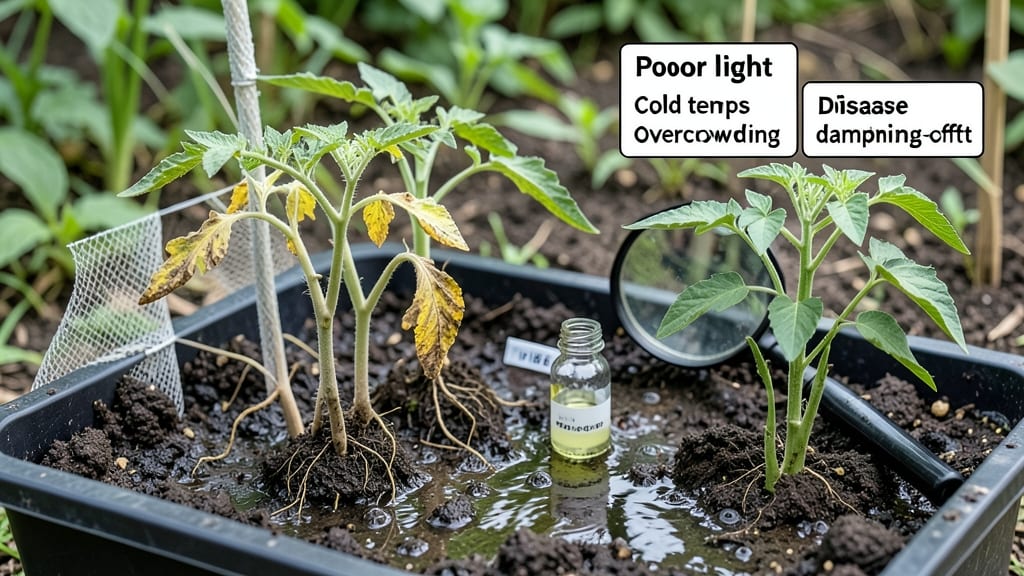
Why are my tomato seedlings not growing? They’re silently screaming for help—usually from one of five sneaky mistakes most gardeners miss. 🌱 I’ve nursed dozens of leggy, stunted seedlings back to health, and the fixes are simpler than you think: light, water, soil, and timing all play a role you might be overlooking.
The most common culprits? Overwatering (which drowns roots), poor soil (too dense or nutrient-starved), and weak light (stretching seedlings toward a window like they’re reaching for a hug). You’ll spot these by checking for yellowing leaves, moldy soil, or spindly stems that can’t stand upright.
Here’s the good news: each issue has a foolproof fix—like adjusting your watering schedule or swapping out compacted soil. Within days, you’ll see plump stems, vibrant leaves, and seedlings ready to transplant. No more guessing games.
We’ll walk through each problem step-by-step, so you can diagnose yours and get them thriving by next week. Trust me, your future tomato plants will thank you.
Root Causes Of Stunted Seedlings
Tomato seedlings are delicate powerhouses—full of potential but vulnerable to even the smallest oversight. When they refuse to grow, it’s rarely just one issue; it’s often a mix of environmental stress, poor care, or unseen problems lurking in the soil.
Let’s break down the real culprits behind your sluggish seedlings, so you can diagnose—and fix—them fast.
Tomatoes are sun-worshippers, and seedlings need 12–16 hours of bright, direct light daily to thrive. Without it, they stretch toward any available light (a process called etiolation), growing weak, leggy stems and pale, spindly leaves.
Why it happens:
- Low-light conditions (e.g., placing seedlings near a north-facing window or under artificial lights that aren’t strong enough).
- Cloudy weather or short winter days can starve seedlings of the energy they need for photosynthesis.
- Overcrowding from other plants blocking light.
Science behind it: Chlorophyll production drops in low light, slowing growth and weakening cell walls. Seedlings may also bolt prematurely (flower instead of growing) if they sense stress from insufficient energy.
Tomatoes hate wet feet. While consistent moisture is key, overwatering or soggy soil suffocates roots by cutting off oxygen, leading to root rot (a fungal infection that turns roots black and mushy).
Why it happens:
- Using containers without drainage holes, trapping excess water.
- Watering on a schedule instead of checking soil moisture—seedlings need light, frequent watering (keep soil damp but not soggy).
- Compacted or clay-heavy soil that doesn’t dry between waterings.
- Cold, wet conditions (below 50°F/10°C) slow root activity, making seedlings more susceptible to rot.
Science behind it: Roots need aeration to absorb water and nutrients. In waterlogged soil, beneficial microbes die off, and anaerobic bacteria thrive, releasing toxins that stifle growth.
Tomato seedlings are temperamental about heat. They thrive in daytime temps of 70–85°F (21–29°C) and nighttime temps above 55°F (13°C). Outside these ranges, growth grinds to a halt—or worse, seedlings wilt, yellow, or fail to germinate at all.
Why it happens:
- Cold drafts (e.g., near AC vents, open windows, or early spring nights).
- Heat stress (above 90°F/32°C) causes wilting, leaf scorch, or blossom drop in mature plants—and stunted growth in seedlings.
- Fluctuating temperatures (e.g., moving seedlings between indoor and outdoor environments too soon).
Science behind it: Enzymes that drive growth denature (stop functioning) outside optimal temps. Cold slows metabolic processes, while heat increases transpiration (water loss) faster than roots can replace it.
Seedlings need balanced nutrition from the start. If soil lacks key nutrients, they’ll yellow, wilt, or grow in stunted spurts.
Why it happens:
- Starting with poor-quality soil (e.g., garden soil without amendments like compost or fertilizer).
- Over-reliance on synthetic fertilizers that burn tender roots (especially high-nitrogen starters).
- Micronutrient deficiencies (e.g., magnesium, iron, or zinc) cause chlorosis (yellowing between leaf veins).
Science behind it: Nitrogen fuels leafy growth, phosphorus boosts root development, and potassium regulates water and nutrient uptake. A deficiency in any of these (or others like calcium) leads to cellular starvation, halting growth.
Even before seedlings emerge, pests and pathogens can attack, draining energy or blocking nutrient absorption.
Why it happens:
- Fungal diseases like damping-off (a gray mold at the soil line that kills seedlings).
- Insects (e.g., aphids, spider mites, or fungus gnats) sucking sap or laying eggs in damp soil.
- Bacterial infections (e.g., early blight) causing dark spots on leaves.
- Contaminated soil from reused containers or unsterilized potting mix.
Science behind it: Pests physically damage plants, while diseases clog xylem vessels (the plant’s water highways), starving cells of hydration and nutrients.
Seedlings compete for light, water, and nutrients. If planted too closely, they’ll grow slow, weak, and prone to disease from poor airflow.
Why it happens:
- Thinning too late—letting seedlings grow too tall before separating them.
- Overfilling trays with more seeds than the container can support.
- Skipping the "true leaves" stage (wait until seedlings have 2–3 sets of true leaves before transplanting).
Science behind it: Overcrowding increases humidity around seedlings, promoting fungal growth. It also limits root expansion, forcing seedlings to share limited resources.
Even healthy seedlings can stop growing after transplanting if roots are damaged or stressed during the move.
Why it happens:
- Disturbing roots when transferring seedlings (e.g., pulling instead of scooping with soil intact).
- Transplanting too early (when soil is still cold or frosty).
- Skipping acclimatization (hardening off) before moving outdoors.
Science behind it: Roots secrete mucilage to reattach to soil, but physical trauma delays this process. Stress hormones like ethylene can also trigger premature flowering instead of growth.
If your seedlings are struggling, act fast with these targeted solutions:
- Move to brighter light (grow lights or a sunny windowsill).
- Check soil moisture—stick your finger in; if the top inch is dry, water gently.
- Repot crowded seedlings into individual containers with fresh potting mix.
- Inspect for pests—rinse off aphids with water or treat fungus with neem oil.
- Adjust temps—keep seedlings in a warm, draft-free zone (60–75°F/15–24°C is ideal).
Fix Your Tomato Seedlings Fast
Watching your tomato seedlings struggle can be frustrating, but the good news is that most growth issues have simple fixes. Below, we’ve mapped out practical solutions for each common problem, along with prevention tips to keep your plants thriving. Let’s get those seedlings back on track!
Problem: Seedlings competing for light, water, and nutrients stunt growth. Fix:
- 🔪 Snip or gently pull seedlings, leaving only the strongest 2–3 inches apart.
- 🌱 Space deeper (4–6 inches apart) if transplanting soon.
- 💡 Pro Tip: Use scissors for a clean cut to avoid disturbing roots.
Prevent: Start with proper spacing (1/4 inch apart) when sowing seeds.
Problem: Leggy, weak seedlings mean insufficient light. Fix:
- 🔥 Move to a sunnier spot (6+ hours of direct light daily).
- 💡 Use a grow light 12–16 hours/day if natural light is weak.
- 🌱 Rotate trays weekly for even growth.
Prevent: Place seedlings near a south-facing window or under lights from day one.
Problem: Overwatering causes root rot; underwatering stresses seedlings. Fix:
- 💧 Water at soil level (not overhead) when the top inch feels dry.
- 🌱 Use well-draining soil (mix in perlite or sand).
- ⏰ Check moisture daily—seedlings need consistent dampness, not sogginess.
Prevent: Use self-watering trays or moisture meters for consistency.
Problem: Cold drafts or heat stress slow growth. Fix:
- 🌡️ Keep temps between 70–80°F (60°F minimum at night).
- 🔥 Move away from AC vents/heaters or use a seedling heat mat (50–70°F).
- 🌱 Protect from cold drafts with a cloche or row cover.
Prevent: Start seeds indoors 6–8 weeks before last frost for ideal timing.
Problem: Yellow leaves or stunted growth = lack of nutrients. Fix:
- 📊 Use a balanced fertilizer (5-5-5 or 10-10-10) diluted to half strength.
- 🥗 Add compost tea or worm castings for organic boosts.
- 💡 Avoid over-fertilizing—seedlings need light feeding, not heavy doses.
Prevent: Pre-mix soil with compost before planting for slow-release nutrients.
🎯 Final Checklist: ✅ Thin seedlings for space ✅ Ensure 6+ hours of light daily ✅ Water consistently (not soggy!) ✅ Keep temps stable (70–80°F) ✅ Feed lightly with fertilizer
With these fixes, your tomato seedlings should perk up in days! 🌿🍅
Frequently asked questions
Why are my tomato seedlings turning yellow?
Yellowing leaves usually mean overwatering or nutrient deficiency. Check soil moisture—it should be damp but not soggy. If roots smell foul, you’ve got root rot. For nutrients, use a balanced fertilizer (like 5-5-5) diluted to half strength. Yellowing between veins often signals magnesium deficiency—try Epsom salt (1 tablespoon per gallon of water).
How do I know if my seedlings need more light?
Leggy, stretched seedlings with pale leaves are begging for more light! They should get 12–16 hours daily. Place them near a south-facing window or under grow lights. If they lean toward one side, rotate trays weekly. A good test: If they’re taller than 4–6 inches with weak stems, they’re light-starved.
Can I save seedlings with damping-off fungus?
Damping-off (gray mold at soil line) is deadly, but act fast! Remove infected seedlings immediately and sterilize containers with a 10% bleach solution. Use fresh, sterile potting mix and add sand or perlite for drainage. For prevention, avoid overhead watering and keep humidity low with a small fan.
When should I transplant my tomato seedlings?
Wait until they have 2–3 sets of true leaves (not cotyledons) and nighttime temps stay above 55°F (13°C). Harden them off first: place outside for 1–2 hours daily over 5–7 days, gradually increasing time. Transplant in late afternoon to reduce stress, and water deeply afterward.
What’s the best soil mix for tomato seedlings?
Use a lightweight, well-draining mix like 60% potting soil, 20% perlite, and 20% compost. Avoid garden soil—it’s too dense and may harbor diseases. For extra vigor, add worm castings (10%) for nutrients. Seedlings need air pockets around roots, so fluffy is better than compacted!